Self-Guided Heritage Trail · Savannah, GA
Shops and Trades | Trail 2
Owning Businesses In Layers Of Freedom

- 1 hr 31 min
- 1.6 miles
- 11 stops
- Free
For an interactive map and audio narration, press Start this trail.
About This Trail
This second trail in the Shops and Trades series follows a different path through downtown Savannah and traces the businesses built by Savannah's free people of color and urban enslaved. The trail route continues beyond the storefronts, revealing the skilled hands, entrepreneurial spirit, and everyday labor that shaped the community. Each stop honors the merchants, craftspeople, and workers whose trades helped build a thriving local economy and preserve its character for generations.
The Route
1Jennette Larose, Shopkeeper
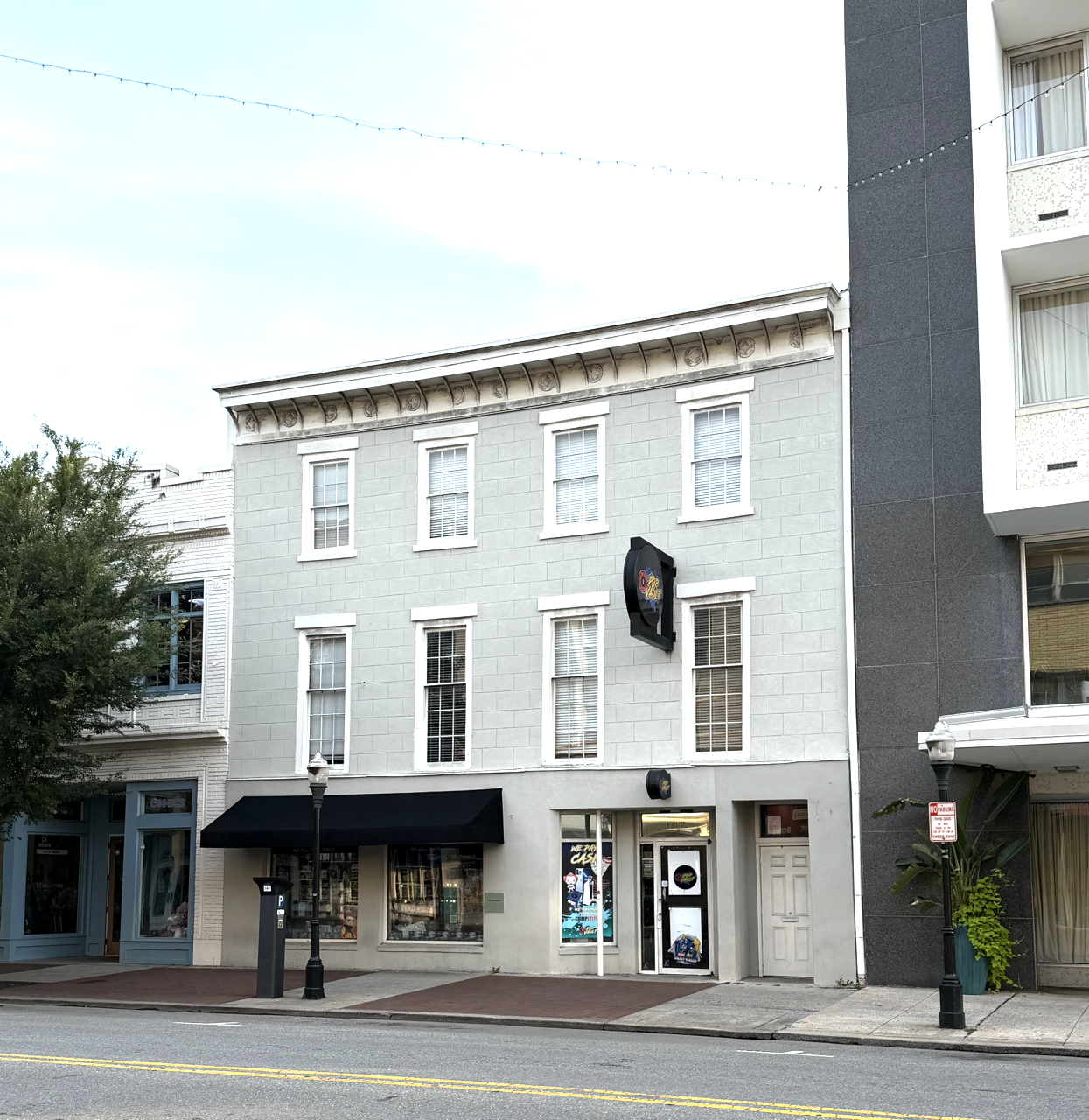
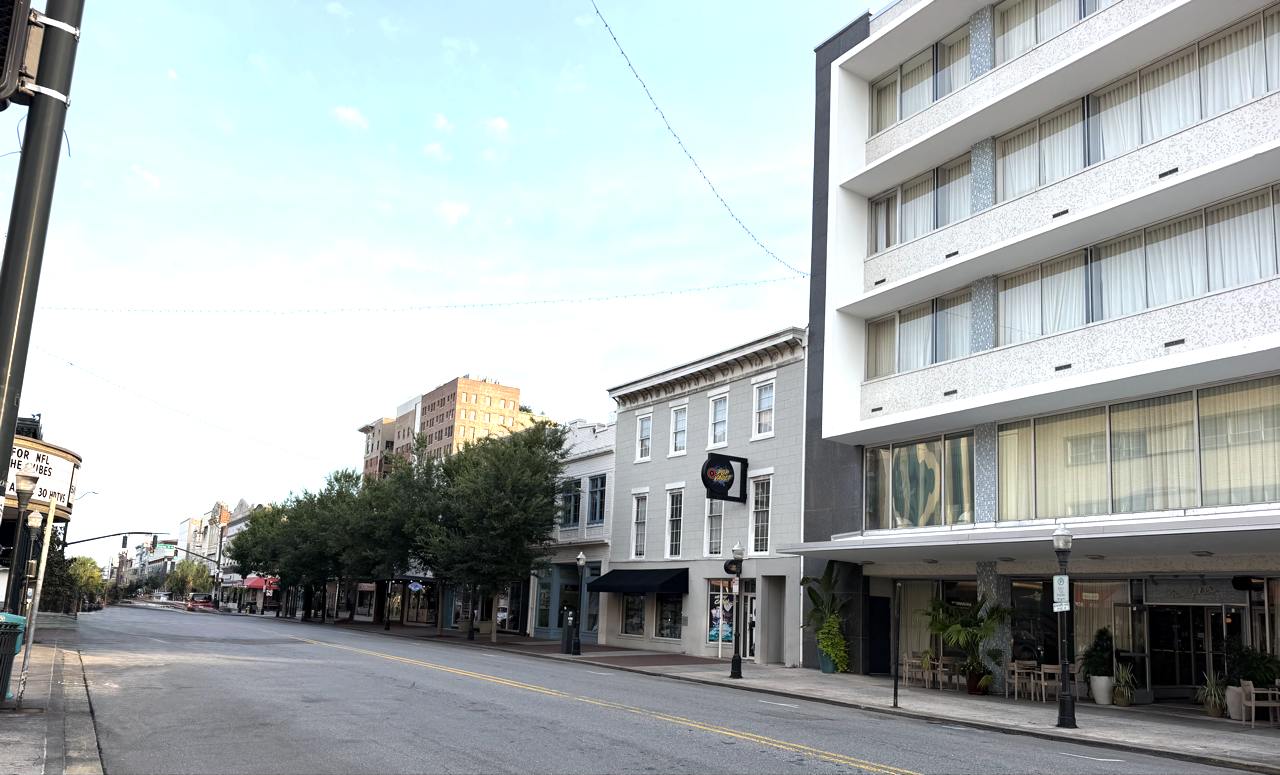
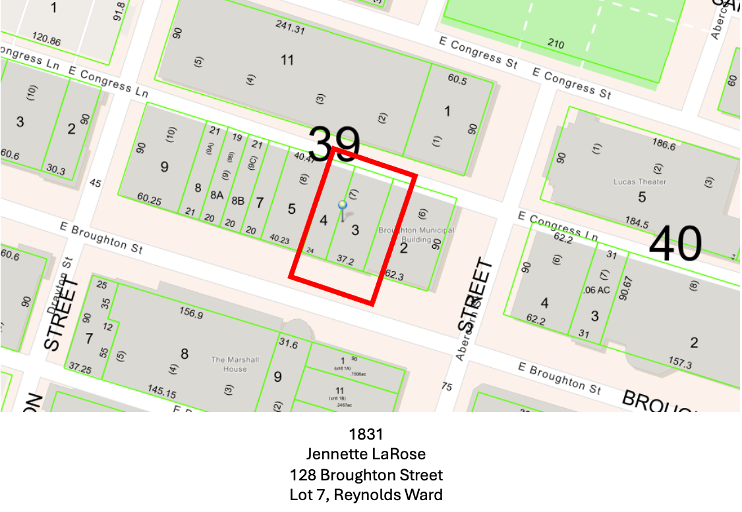
Location: 128 East Broughton Street
___
Jennette Larose, born about 1778 and whose name also appears in records as LaRose. She was a free woman of color and shopkeeper who came to Savannah from Saint-Domingue during the era of the Haitian Revolution. She operated a store on Broughton Street near Abercorn Street and owned one enslaved person. Her property was also known as Lot 7 Reynolds Ward.
Like other free women of color in early nineteenth-century Savannah, LaRose was required to have a legal guardian. Her guardian was Joseph Meric, also recorded as Merick, a Savannah merchant and sea captain with connections to the Caribbean. Meric commanded the schooner Maria Josephine, which sailed between ports of Cuba, Fort-Liberté, Haiti, and the United States.
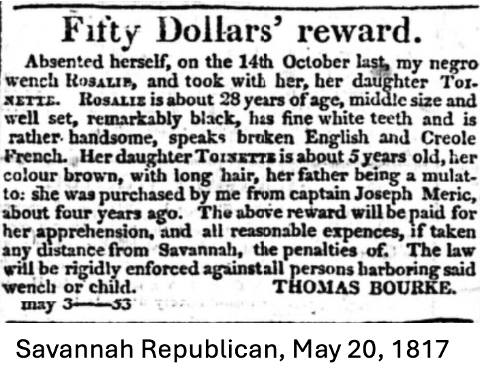
Meric’s connection to slavery is also documented. On May 18, 1817, Thomas Bourke advertised in the Savannah Republican for the capture and return of Rosalie, a 28-year-old Creole woman from Haiti, and her daughter. Bourke stated that he had purchased Rosalie from Joseph Meric. That transaction does not establish that Meric regularly participated in the slave trade, but it does document his sale of at least one enslaved Haitian woman.
Larose’s own story reflects the complicated world of Savannah’s free people of color: a woman from Saint-Domingue who established herself as a shopkeeper, held property, and lived as a free woman while herself owning an enslaved person.
___
Sources:
City of Savannah Municipal Archives / Chatham County Records. "Land Tax and Property Records, 1809–1938." Jenette Larose, Lot 7, Reynolds Ward, [1826]. Digital images, Ancestry.com.
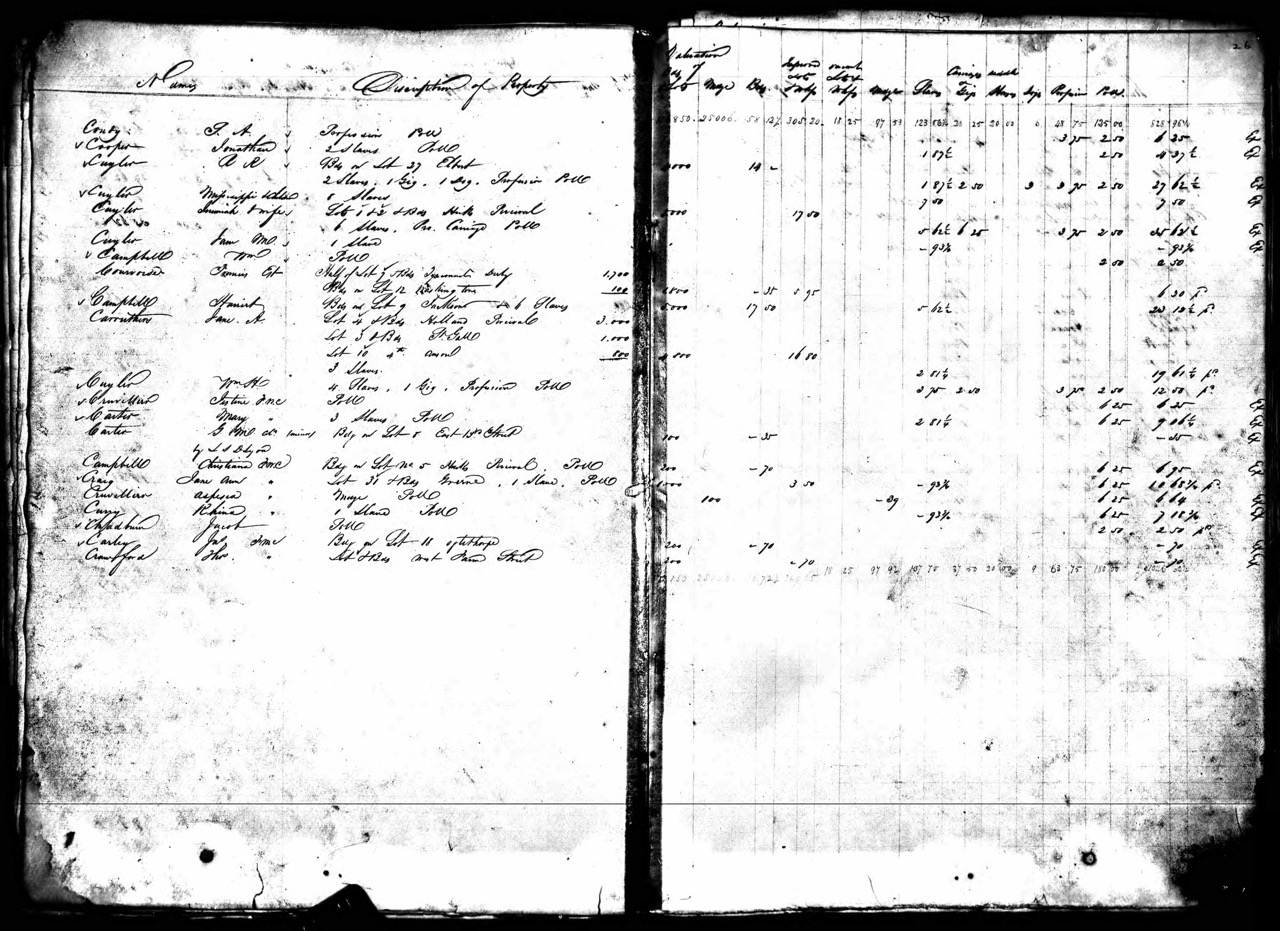
City of Savannah Municipal Archives / Chatham County Records. "Land Tax and Property Records, 1809–1938." Jenette Larose, Lot 7, Reynolds Ward, [1834]. Digital images, Ancestry.com.
Lumpkin-White, Arva. Photograph credit; others as noted
Ports, Michael A. Georgia Free Persons of Color. Volume IV: Chatham County, 1817-1863. Baltimore: Clearfield Company, 2016, 78, 207.
Savannah Republican, May 20, 1817



2 Aspasia Cruvellier Mirault, Pastry Cook and Confectioner
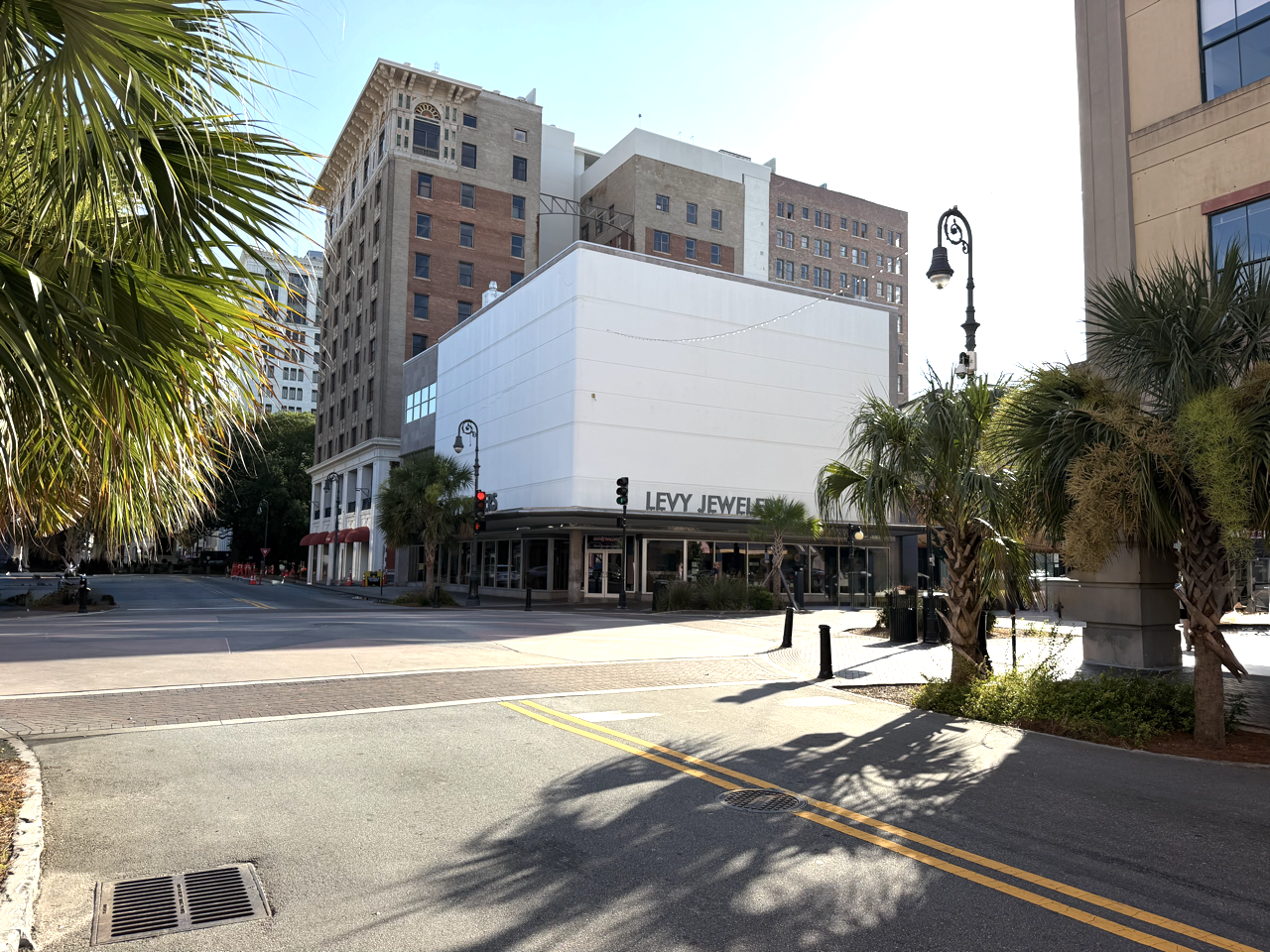
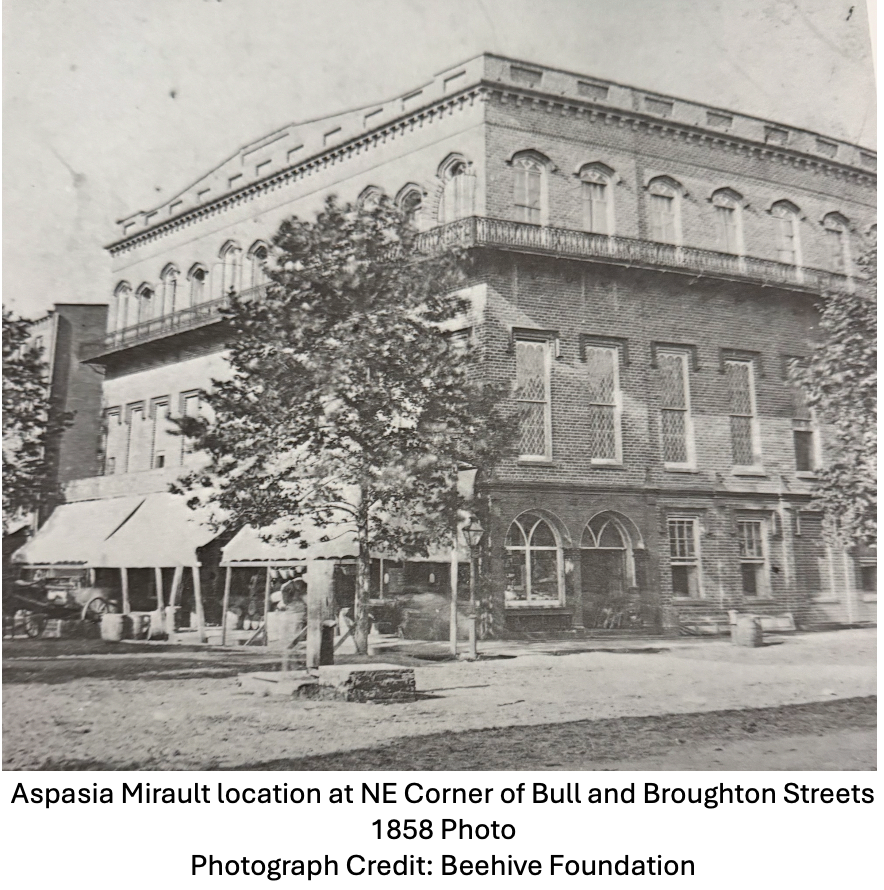
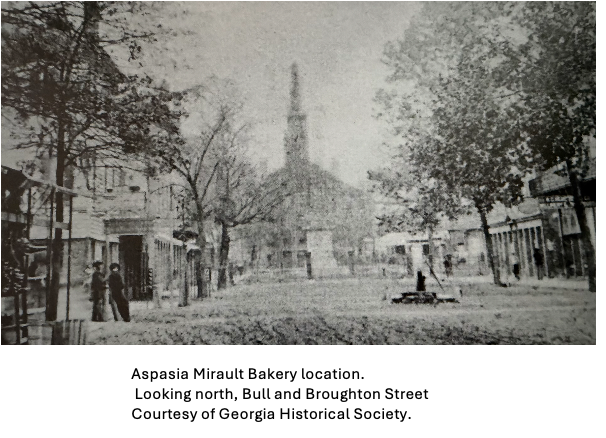
Location: North East Corner of Bull and Broughton Streets
___
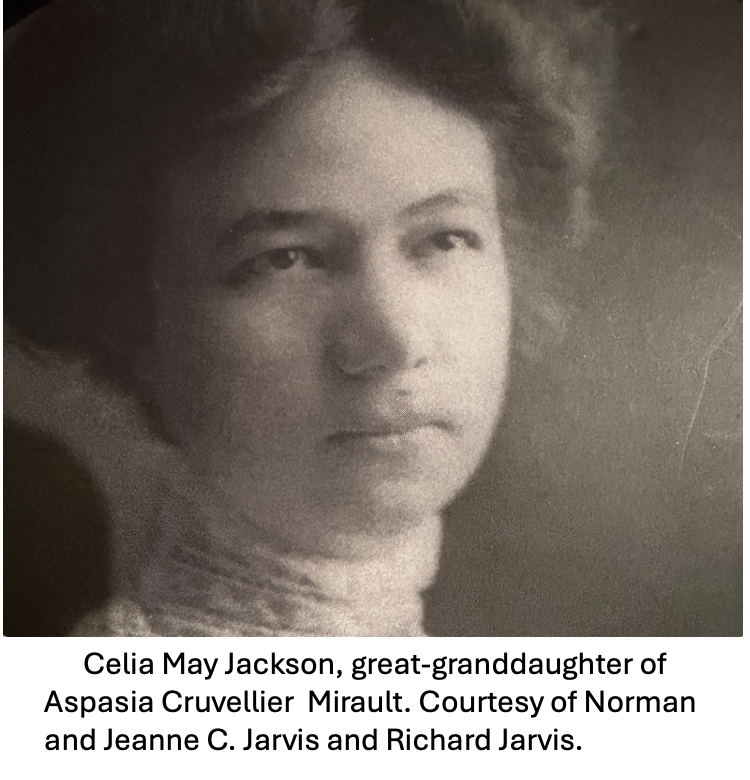
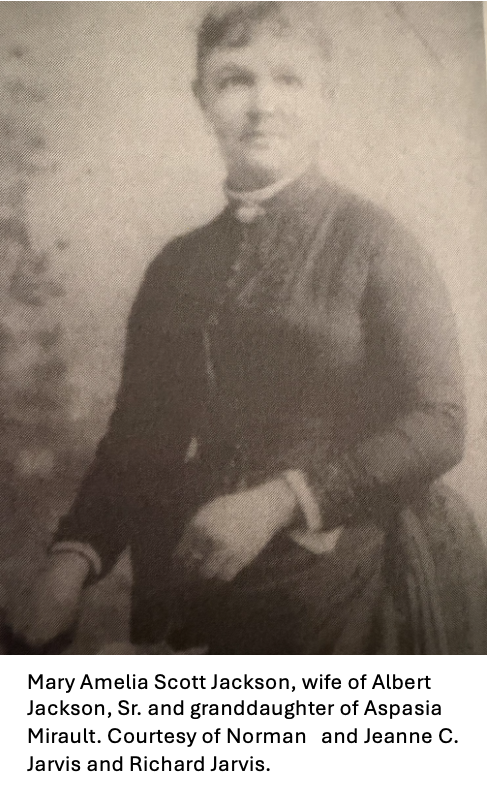
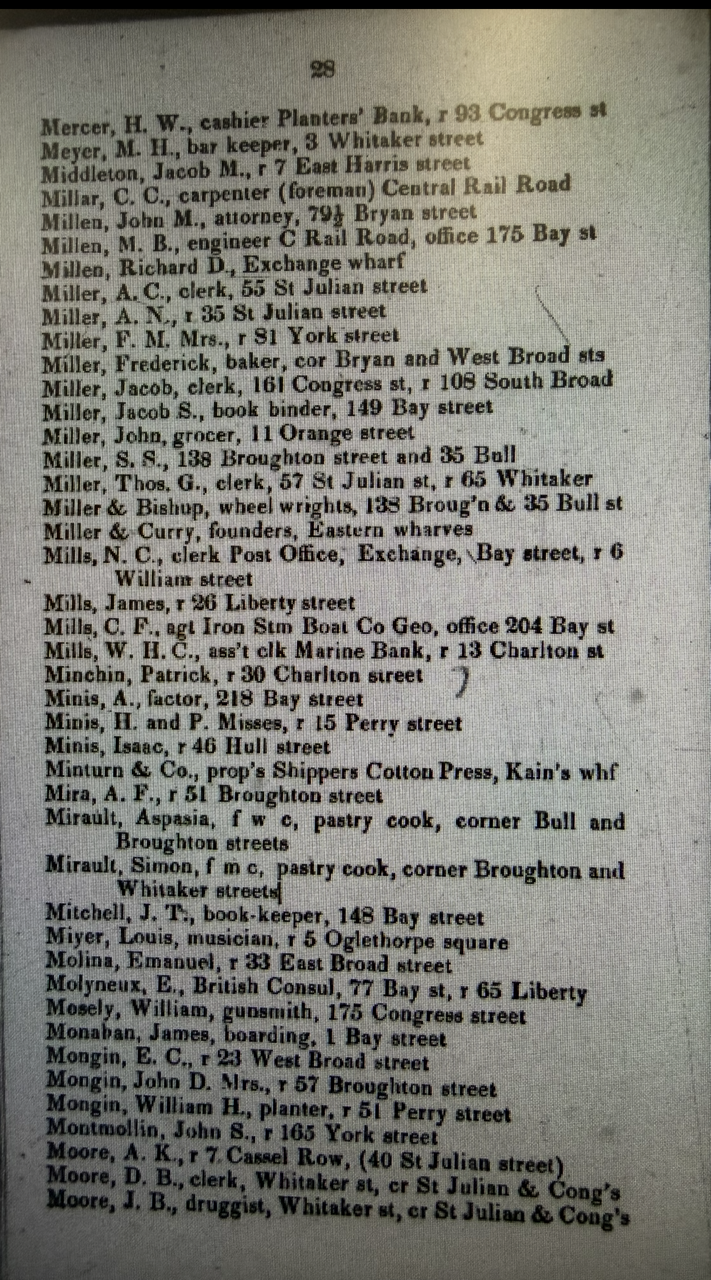
Aspasia Cruvellier Mirault was born a free person of color in 1800 in Santa Domingue. Her family established a successful tailor shop catering to wealthy White Savannahians. She initially worked in the family tailor workshop as a seamstress.
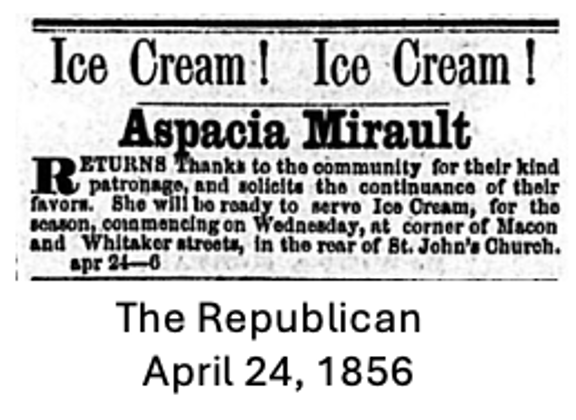
Looking for broader opportunities, by 1825, she opened a bakery and pastry shop. The original pastry shop she advertised regularly was at the northeast corner of Bull and Broughton Streets. Later, she used her home on Whitaker and Macon Streets as a place of business. As her confectionery and pastry business expanded, she acquired five female enslaved workers. They were likely used in her pastry and confectionery business.
She had a long-standing relationship with Samuel Mirault, with whom she had two daughters, Louisa and Letitia. No record of marriage can be substantiated, so the existence of legal nuptials is unclear. Her partner, Samuel Mirault, died sometime between 1829 and 1831, and she began using his last name, Mirault, after his death.
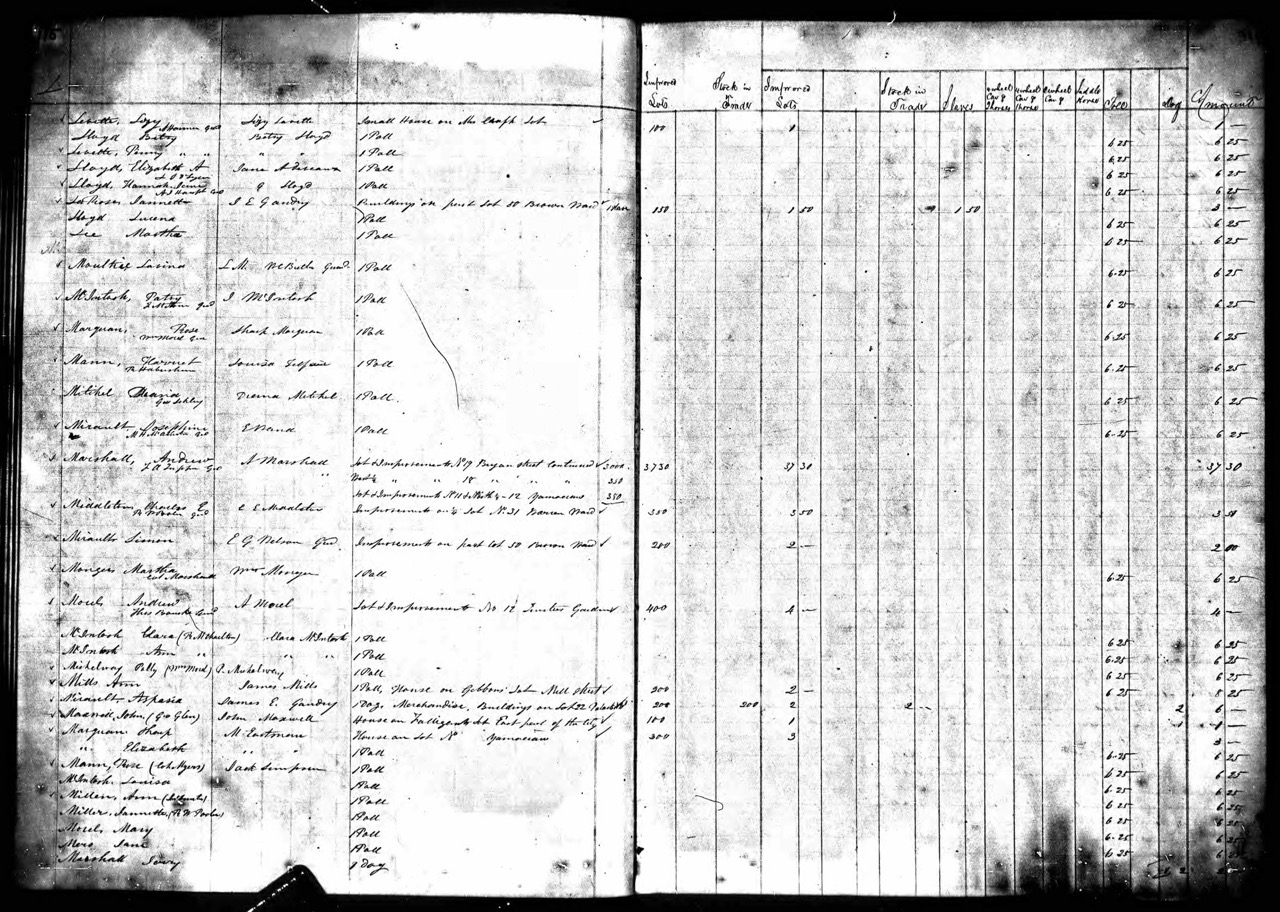
In 1842, she became a landowner when she bought the property at the corner of Macon and Whitaker Streets, behind St. John’s Episcopal Church. It was known as Lot 22 in Pulaski Ward and was part of an auction held by the City of Savannah. It should be noted that in 1818, Black people were legally prohibited from buying land in the City of Savannah. However, it was common for free people of color and the enslaved in Savannah to get around the law by using a White intermediary or guardian to buy the land for them.
Aspasia Cruvellier Mirault used the services of trusted friend George Cally, who bought the land in his name, using her money. Formally, Cally was the owner of the land, but Cally and Cruvellier Mirault had a "secret trust" agreement in which the land was to be owned by her in all but name. Cruvellier Mirault had a house built on her land to expand her business and provide for her family. The home was spacious and provided an ample living space for her children, grandchildren, and growing business. The home at 321 Whitaker Street became the focus of a lengthy legal battle with Cally and her heirs. Cally reneged on their agreement, and a lengthy battle ensued to prove that she was the rightful owner in all but the recording of the deed. A book by Janice Sumler-Edmond chronicled her personal and uphill legal battles as a free woman of color navigating business and the legalities of property ownership in Antebellum Savannah.
___
Sources:
City of Savannah Municipal Archives / Chatham County Records. "Land Tax and Property Records, 1809–1938." Aspasia Mirault, Tax Digests 1839-1843 [Lot 22, Pulaski Ward]. Digital images, Ancestry.com. [1843]
Johnson, Whittington B. “Free Blacks in Antebellum Savannah: An Economic Profile.” The Georgia Historical Quarterly 64, no. 4 (1980): 418–31. http://www.jstor.org/stable/40580706.
Lumpkin-White, Arva. Photograph credit: others as noted.
Savannah City Directory, 1870
Savannah Area Geographic Information System (SAGIS). "SAGIS Property Map Viewer. Chatham County-Savannah Metropolitan Planning Commission
Sumler-Edmond, Janice. The Secret Trust of Aspasia Cruvellier Mirault: The Life and Trials of a Free Woman of Color in Antebellum Georgia. University of Arkansas Press. 2008
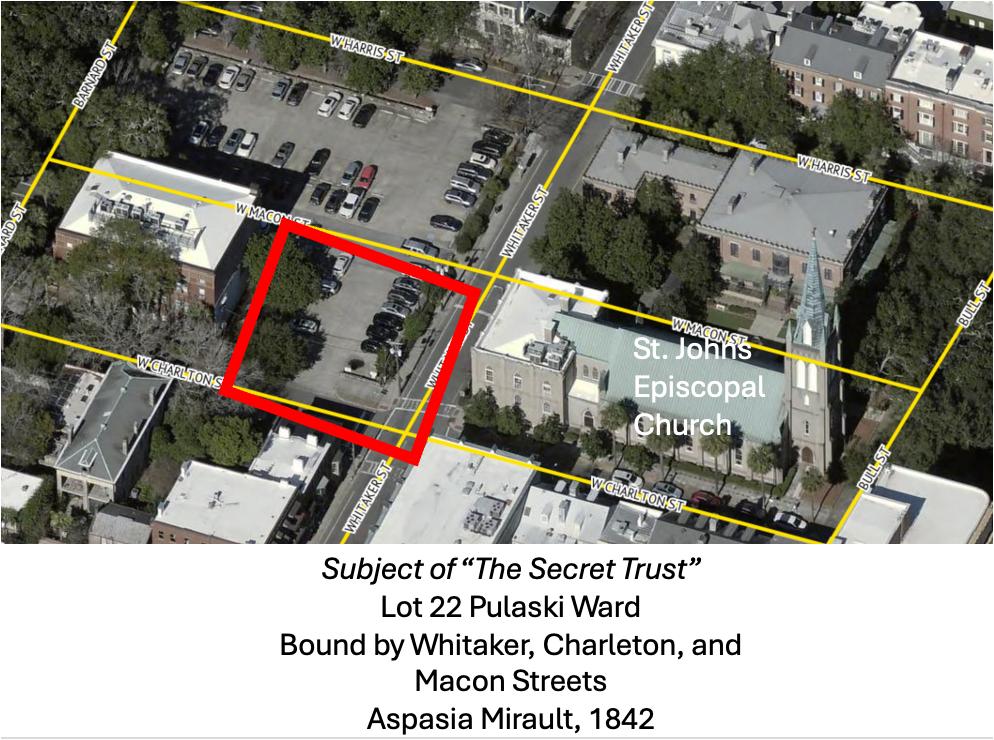
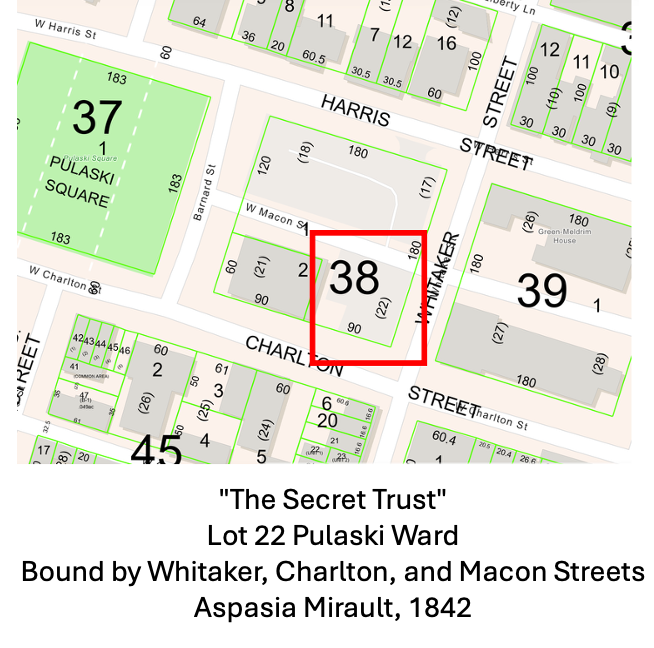
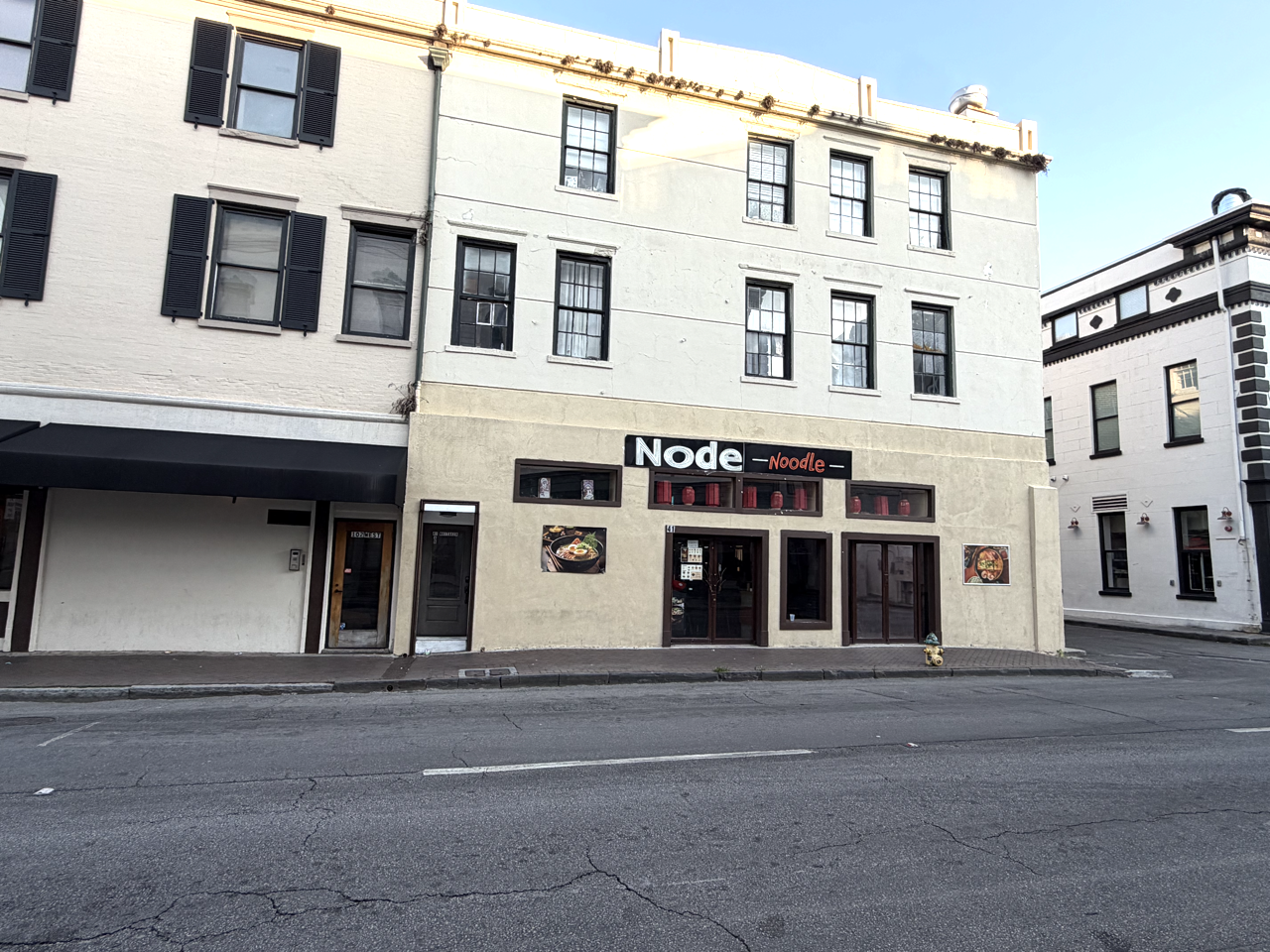
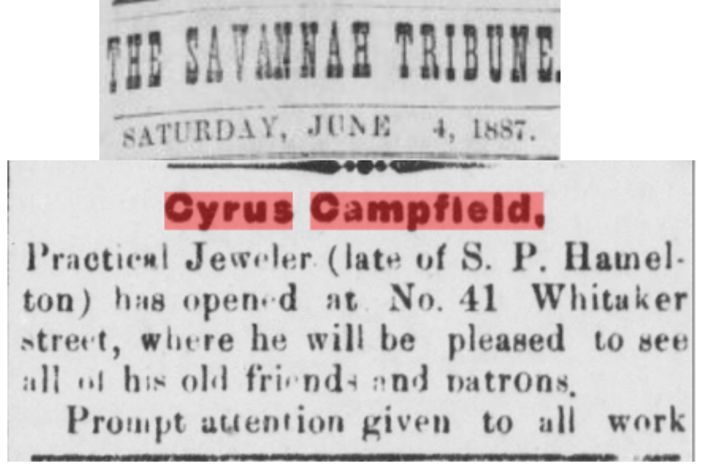
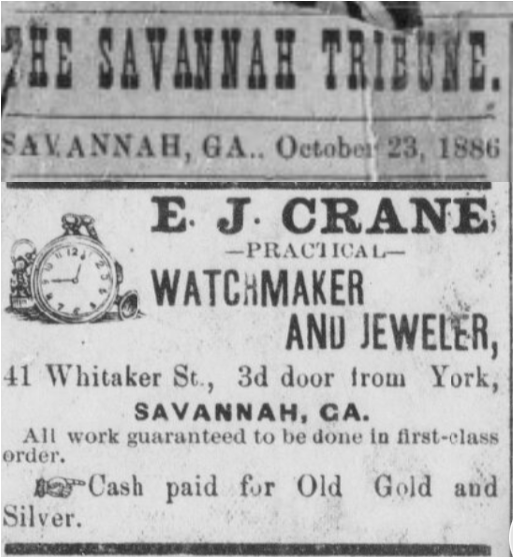
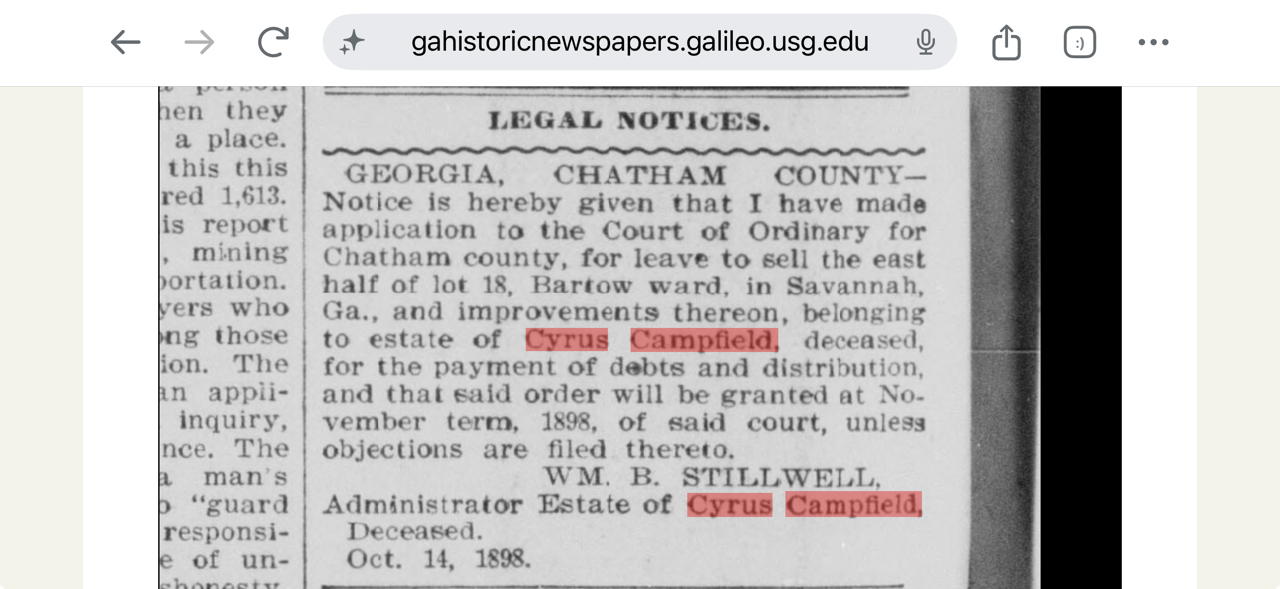
3Cyrus Campfield | E.J. Crane, Jewelers & Watch Repair, 1877
Location: 41 Whitaker Street
_____
Cyrus Campfield and E.J. Crane, were practical jewelers and watchmakers whose business operated at 41 Whitaker Street, in the heart of Savannah’s commercial district. Long before disposable watches and mass-produced electronics, a watch was one of the most valuable personal possessions a person owned.
Their work demanded patience, precision, and trust. Before opening the store on Whitaker Street, Campfield worked at the company, S.P. Hamilton. During the 19th century, S.P. Hamilton (Samuel Pugh Hamilton) operated one of the most celebrated luxury retail jewelry, silver, and watchmaking businesses in Savannah. Hamilton Jewelers, the business advertised extensively as a "Watchmaker, Jeweler, and Silversmith," dealing in fine diamonds, high-end Swiss watches, custom optical equipment, Coin Silver, and Flatware.
Campfield had the misfortune of having a business interruption due to a serious workplace accident when a can of alcohol exploded, and he suffered serious burns. The pair were also frequent advertisers in the local newspapers. Campfield was active in the community and served as a voting delegate representing St. Stephen's parish at the Diocesan Convention.
Cyrus Campfield purchased a home at 520-522 East Jones Street, which still stands today.
___
Sources:
Historic Photographs: Courtesy of the Library of Congress and others as noted.
Hoskins, Charles Lwanga. Yet With a Steady Beat: Autobiographies of Early Black Savannah. Savannah: Gullah Press, 2001, 304.
Lumpkin-White, Arva. Photograph credit.
Savannah, Georgia, U.S., Land Tax and Property Records, 1809–1938.
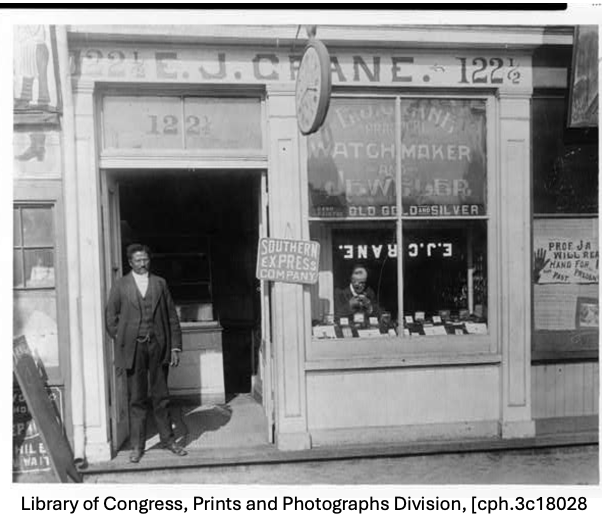
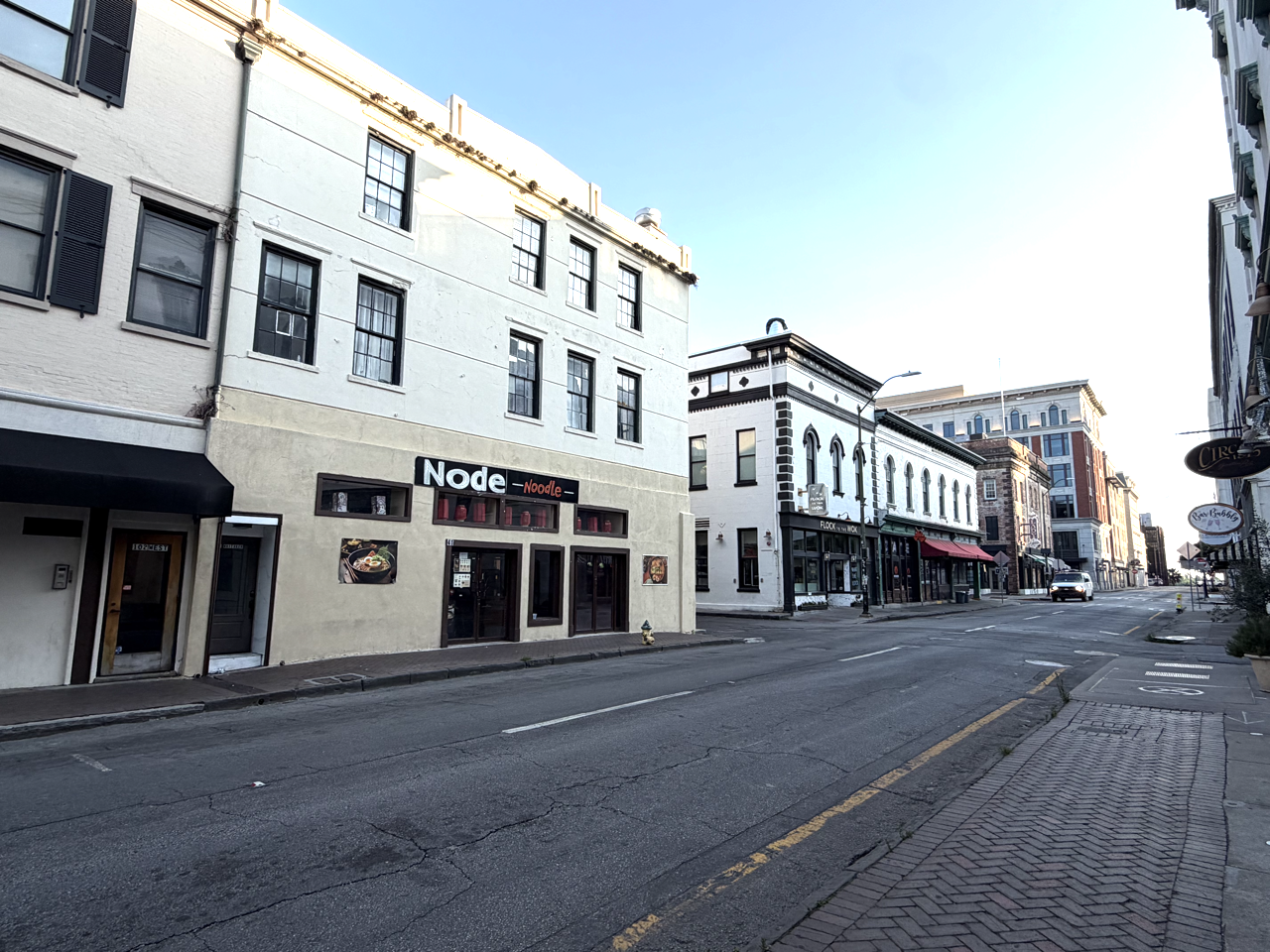
4Simon Mirault, Baker and Confectioner
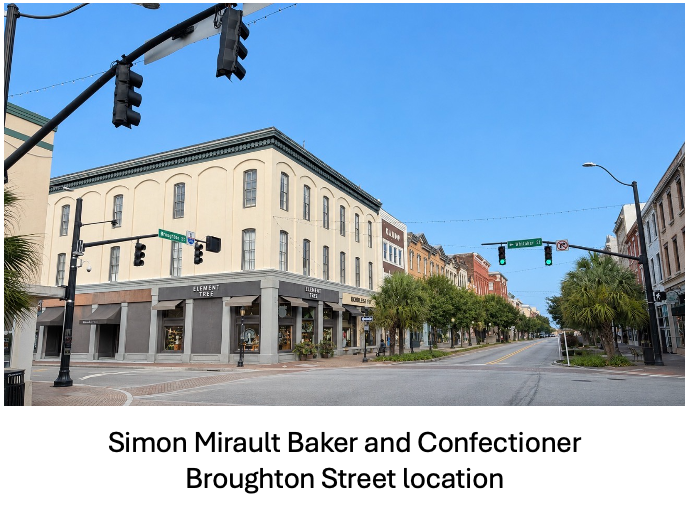
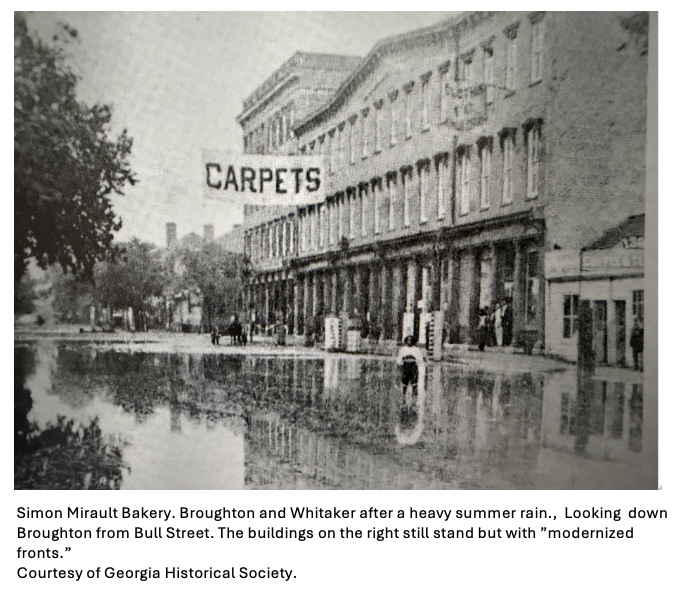
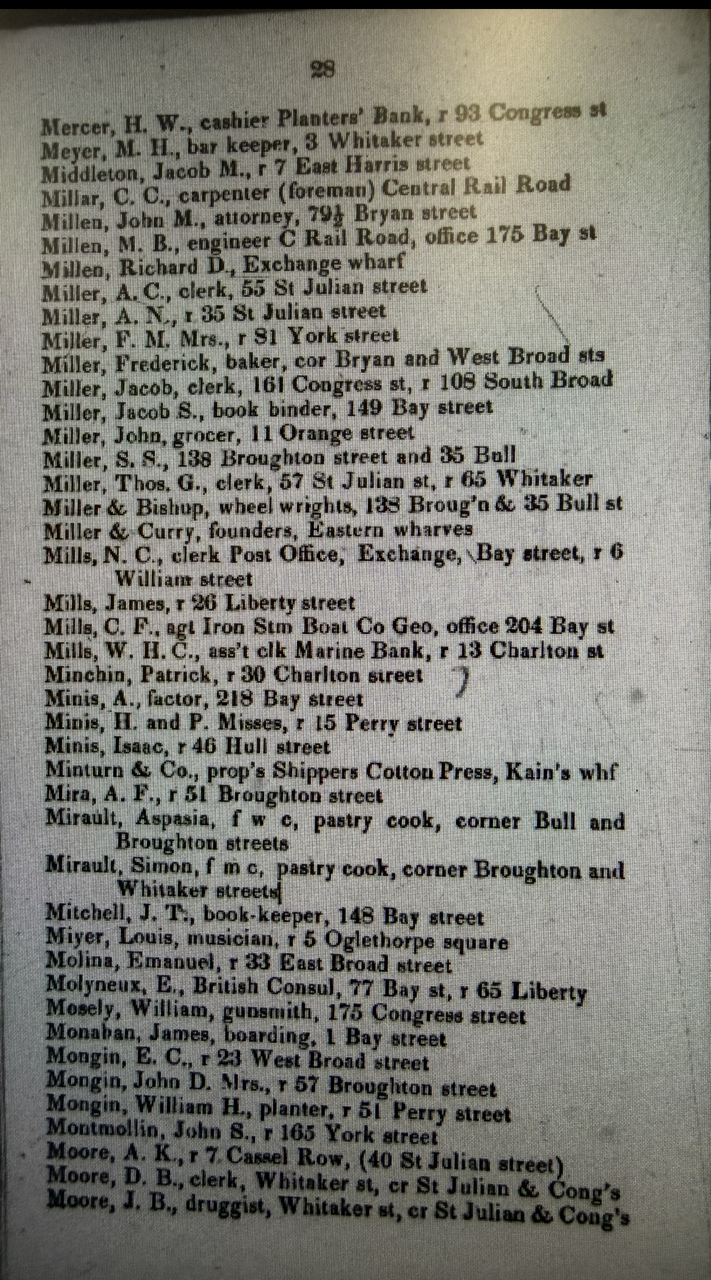
Location: 31 Whitaker Street at Broughton Street, near the SW corner
___
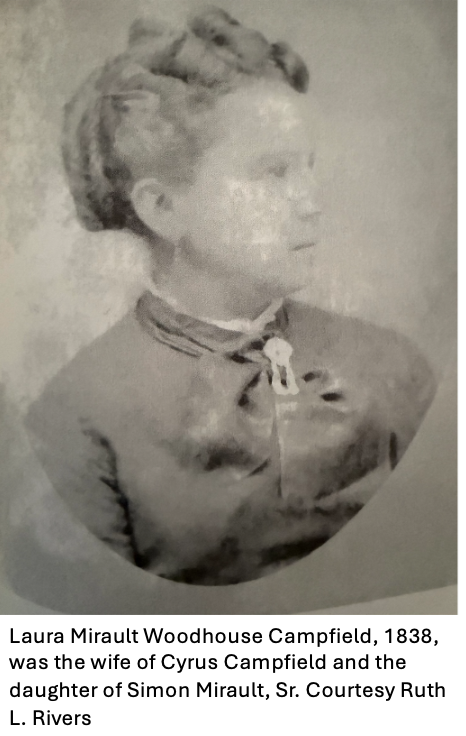
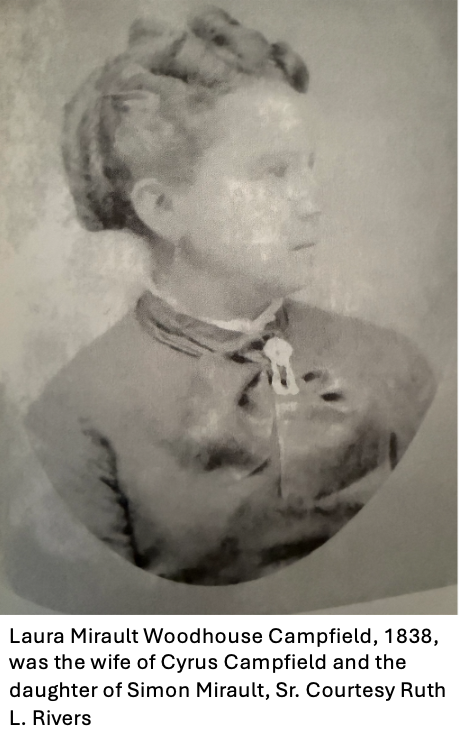
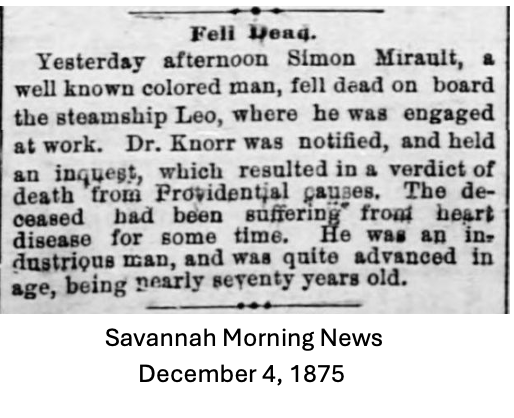
Simon Mirault was born in Savannah in 1812 as a free man of color and owned one of the more successful bakeries and confectioneries in the city. It was located at Whitaker and Broughton Streets. Simon was a member of one of the city’s prominent free Black families. He was the son of Louis (Lewis) Mirault and Teresa Mirault, Haitian émigrés who arrived in Savannah following the upheavals of the Haitian Revolution.
Before becoming a tailor, Mirault established himself as a skilled bricklayer and, through his trade, earned enough to build a residence of his own, which still stands today at 21 Houston Street.
___
Sources:
Savannah City Directory 1870
Hoskins, Charles Lwanga.W.W. Law and His People: A Timeline and Biographies, Gullah Press, 2012, p.27
Lumpkin-White, Arva. Photograph credit and others as noted.
Ports, Michael A. Georgia Free Persons of Color. Volume IV: Chatham County, 1817–1863. Baltimore: Clearfield Company, 2016. 298
5 Dr. Charles H. Taylor, Physician
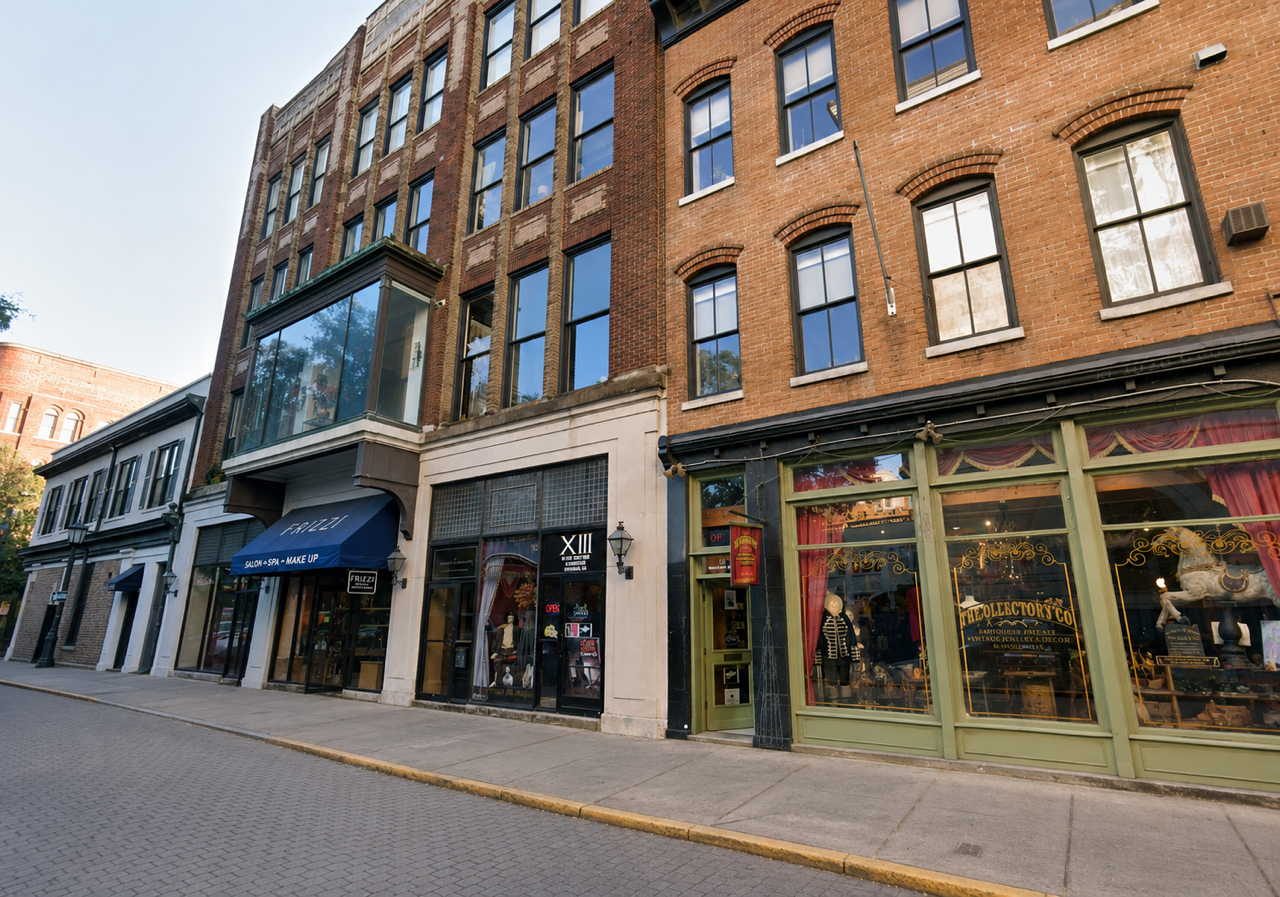
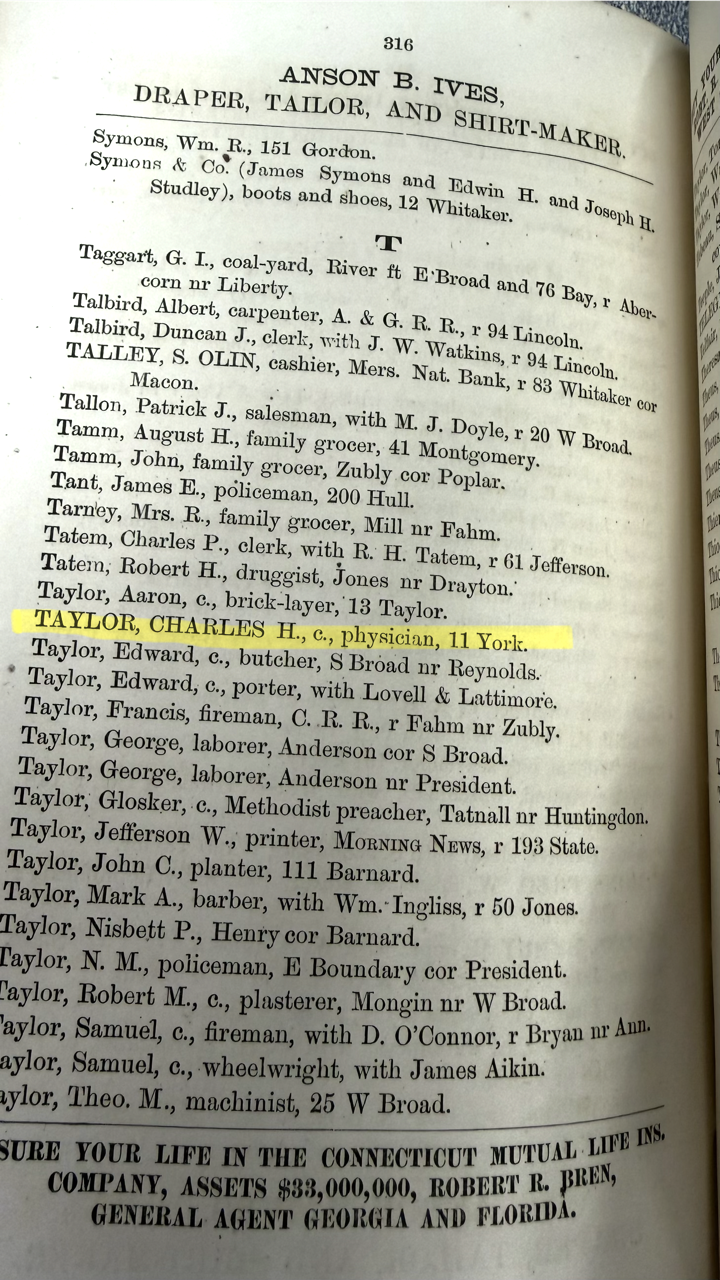
Location: Office: 11 West York Street
___
Charles H. Taylor was an African American physician who served the community of Savannah for many years. His office was located in a professional building known for housing physicians, dentists, attorneys, and other professional practices. Not much is known about his personal story.
___
Sources:
Hoskins, Charles Lwanga. Yet With a Steady Beat: Autobiographies of Early Black Savannah. Savannah: Gullah Press, 2001, 232.
Lumpkin-White, Arva. Photograph credit.
Savannah City Directory. J. H. Gardner, 1870.
6 John Monroe, Livery Business
Location: 97 East York Street
___
In the decades following the Civil War, when Savannah’s streets were still dominated by horses, mules, drays, carriages, and wagons, John Monroe established himself as one of the leaders within Savannah’s transportation trade. His livery business at 97 York Street occupied an important place in the daily life of nineteenth-century Savannah, providing the horses, vehicles, and stable services that connected residents, visitors, workers, and merchants throughout the city.
Monroe’s business thrived during a period when the livery trade was essential to urban commerce. Before the arrival of automobiles, nearly every aspect of transportation depended upon horses. Livery operators rented horses and carriages, boarded privately owned animals, sold feed, and maintained stables. They supplied transportation for weddings, funerals, business travel, and social occasions, while also serving travelers arriving in Savannah by rail or steamer. A successful stable required substantial capital, skilled labor, and constant management of animals, equipment, and property.
Operating a livery stable was physically demanding and highly competitive. Horses required daily feeding, grooming, veterinary attention, and shelter. Wagons and carriages required continual repair. Yet despite these challenges, Monroe built a business at a prominent downtown location near the commercial and residential heart of the city. The York Street address placed him within easy reach of Savannah’s business district, allowing his services to be used by a broad clientele.
The livery business represented one of the more visible and capital-intensive enterprises available to Black businessmen, requiring both financial investment and a reputation for reliability. In March of 1898, he was involved in a case that today would be a “small claims" court case surrounding a customer dispute. He prevailed in the case; however, it was an example of the exposure of a livery business to legal and business problems. He was known for good service and honest practices. Every carriage rented, horse boarded, or wagon serviced reflected the continuing importance of stable operators to the functioning of Savannah’s commercial life.
___
Sources:
Hoskins, Charles Lwanga. Yet With a Steady Beat: Autobiographies of Early Black Savannah. Savannah: Gullah Press, 2001.
Lumpkin-White, Arva. Photograph credit.
Walsh’s Directory of the City of Savannah, GA., 1904. Charleston, SC: The Walsh Directory Company, 1904.
7Christiana Campbell, Seamstress
Location: 25 East Broughton Street
___
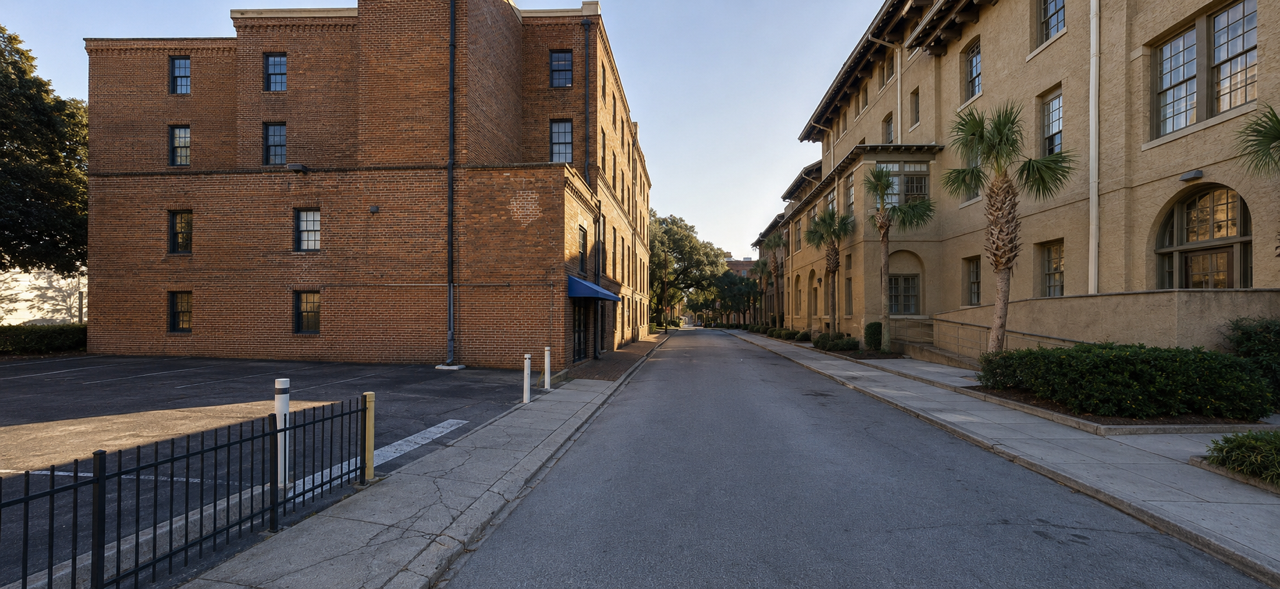
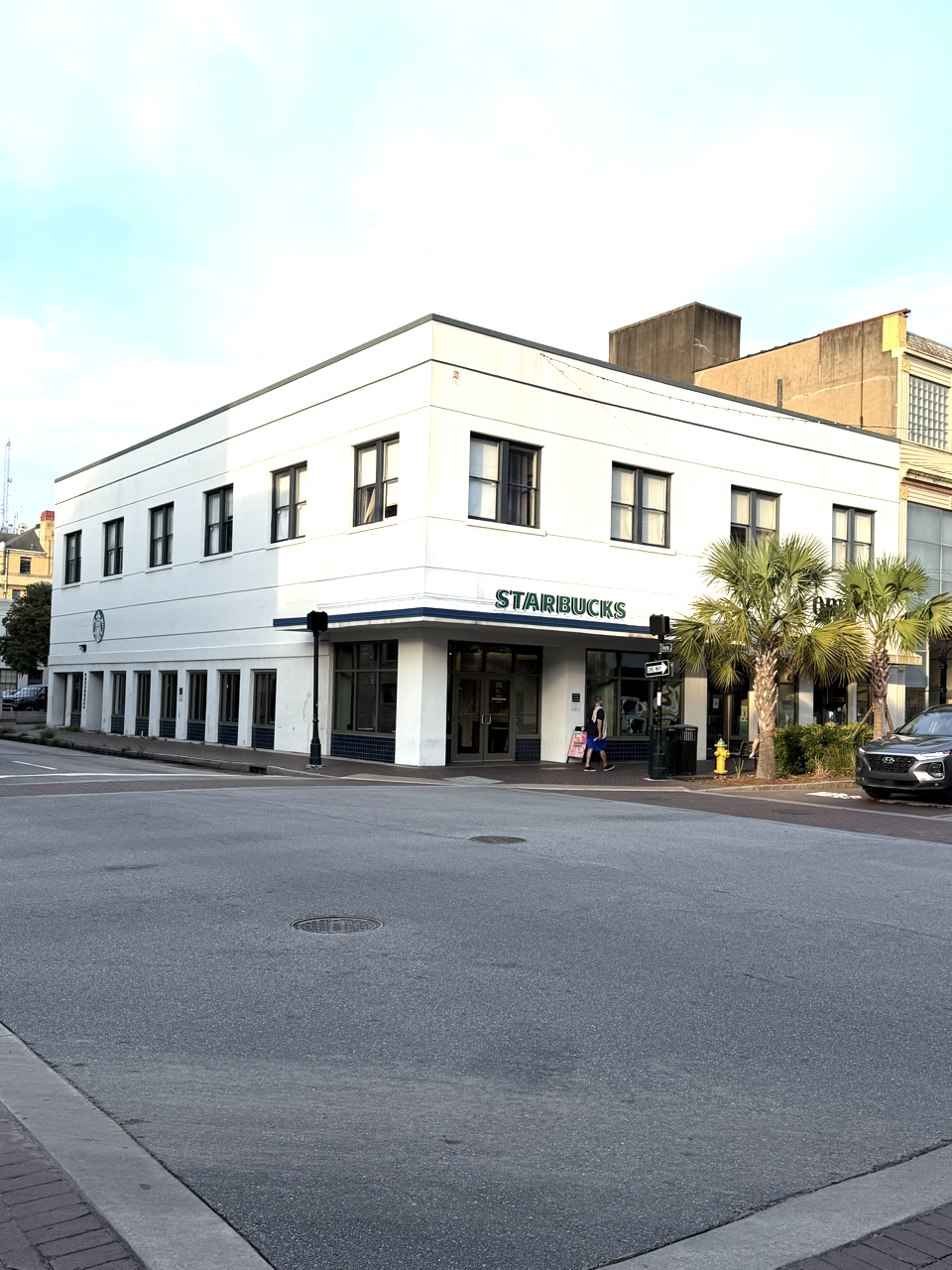
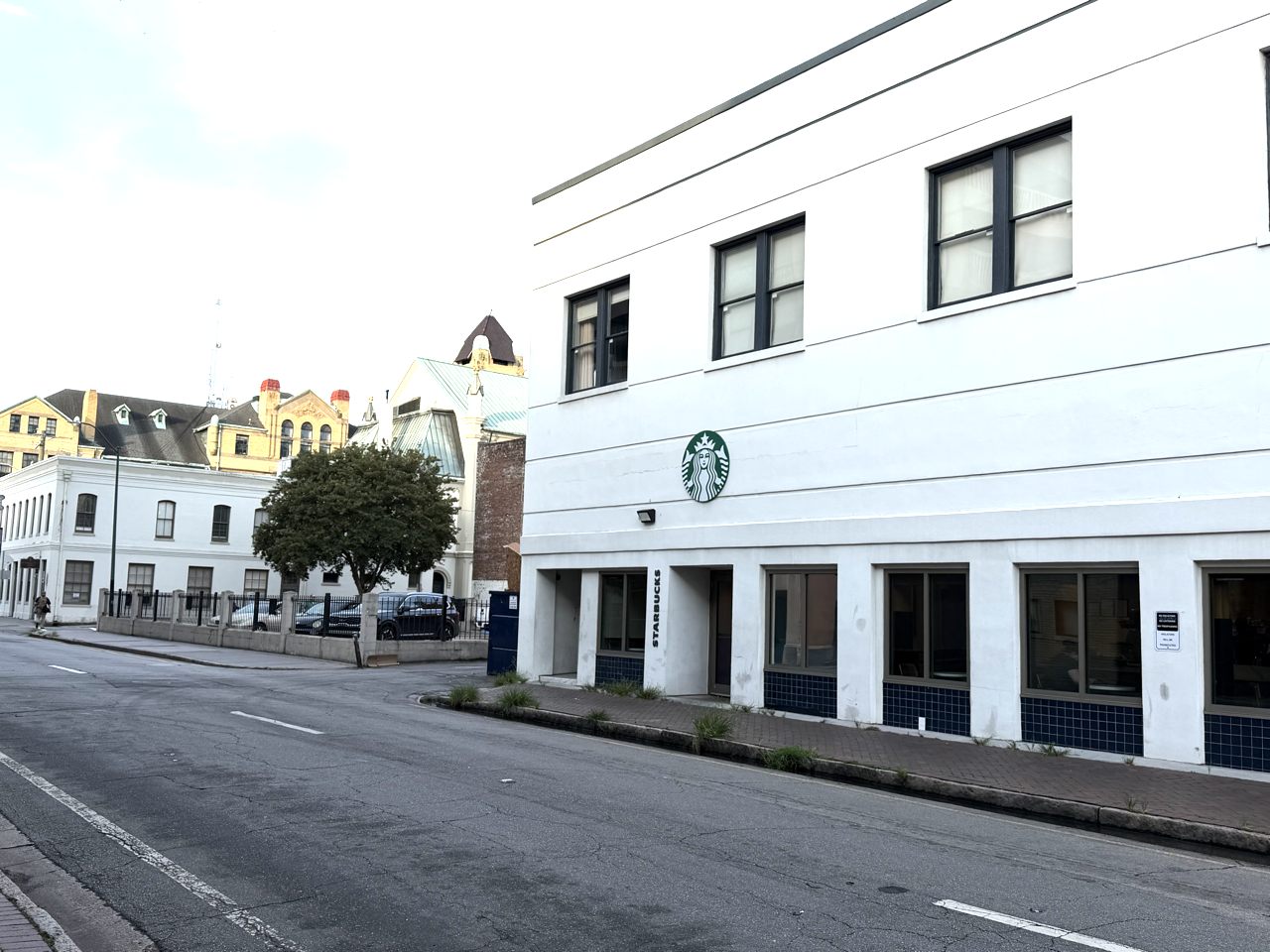
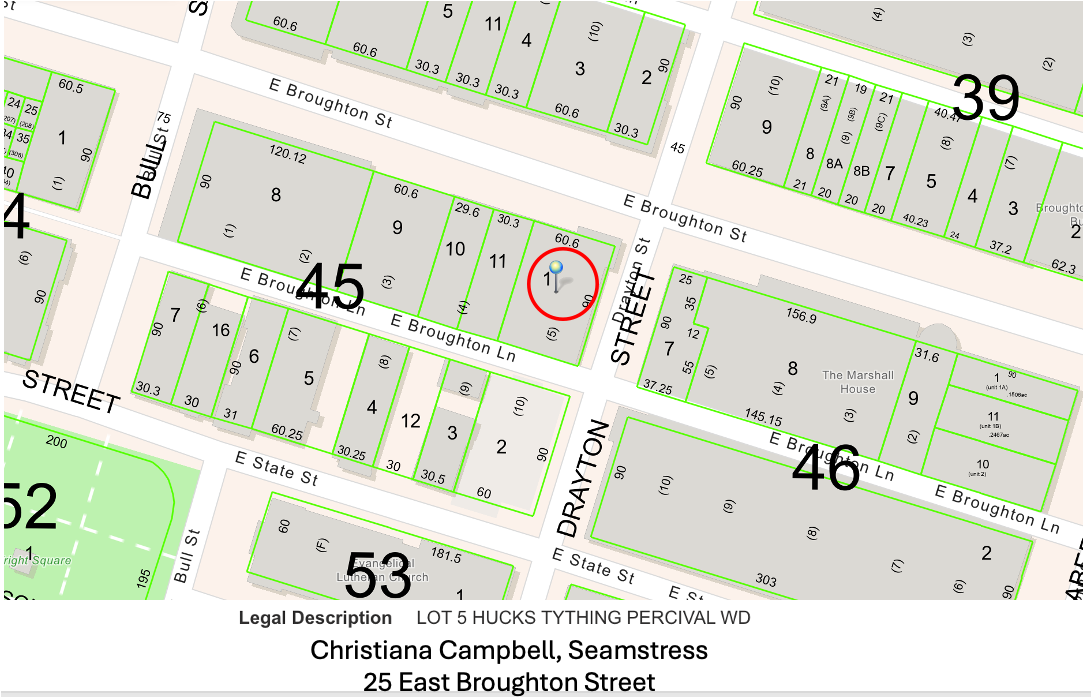
In 1823, Christiana Campbell, a free woman of color and seamstress, owned a one-quarter interest in Lot 5, Huck’s Tything, Percival Ward, now associated with 25 E. Broughton Street. Her property was located on the southeast portion of the building, toward Drayton Street.
Campbell earned her living as a seamstress at a time when Savannah’s free people of color lived and worked within a society still built upon slavery. Her ownership of property on Broughton Street placed her as a property owner in one of the city’s most active commercial areas.
Little is currently known about Campbell’s personal life. The surviving records, however, document both her occupation and her ownership of valuable property in the center of early nineteenth-century Savannah.
___
Sources:
City of Savannah Municipal Archives / Chatham County Records. "Land Tax and Property Records, 1809–1938." Christiana Campbell, Tax Digests 1826-1832. Lot 5, Huck’s Tything, Percival Ward]. Digital images, Ancestry.com. [1828]. Digital images, Ancestry.com.
City of Savannah Municipal Archives / Chatham County Records. "Land Tax and Property Records, 1809–1938." Christianna Campbell, Tax Digests 1826-1832. Lot 5, Huck’s Tything, Percival Ward. Digital images, Ancestry.com. [1826]. Digital images, Ancestry.com.
Lumpkin-White, Arva. Photograph credit.
Ports, Michael A. Georgia Free Persons of Color. Volume IV: Chatham County, 1817–1863. Baltimore: Clearfield Company, 2016, 46
Savannah Area Geographic Information System (SAGIS). "SAGIS Property Map Viewer. Chatham County-Savannah Metropolitan Planning Commission

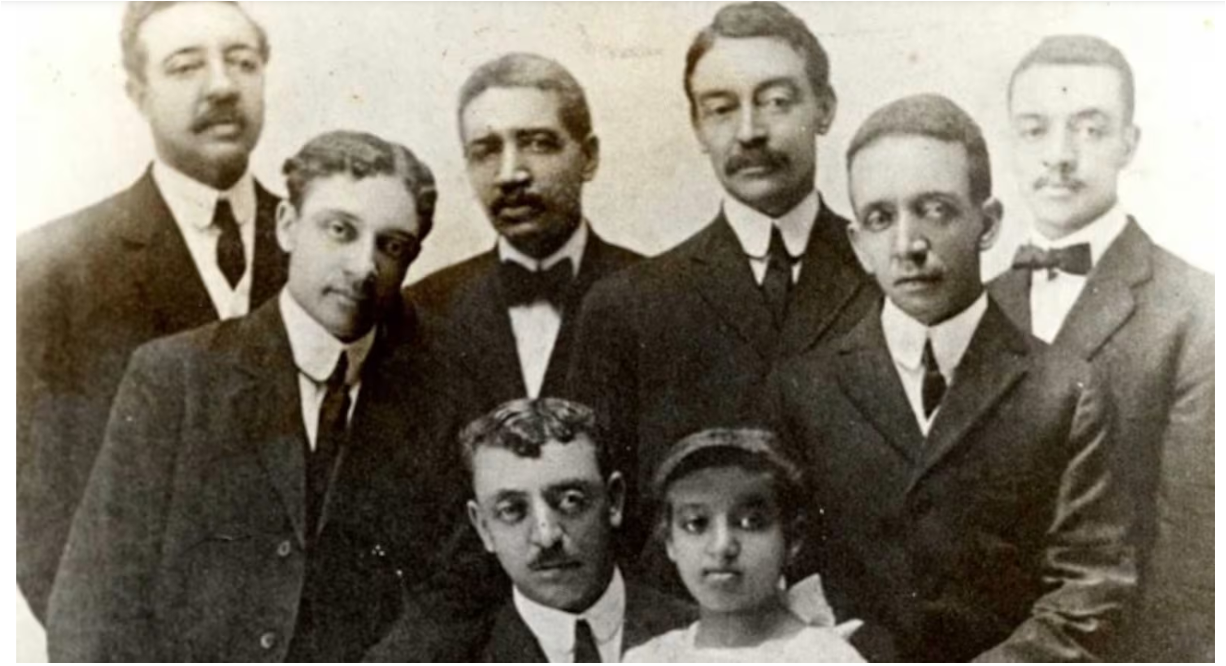
8Sabbatie Brothers Barbers
Location: Habersham Street (exact street number unknown)
___
Street Number on Habersham Street not established. Location is an estimate.
___
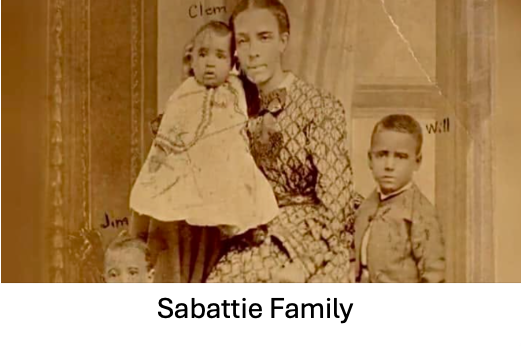
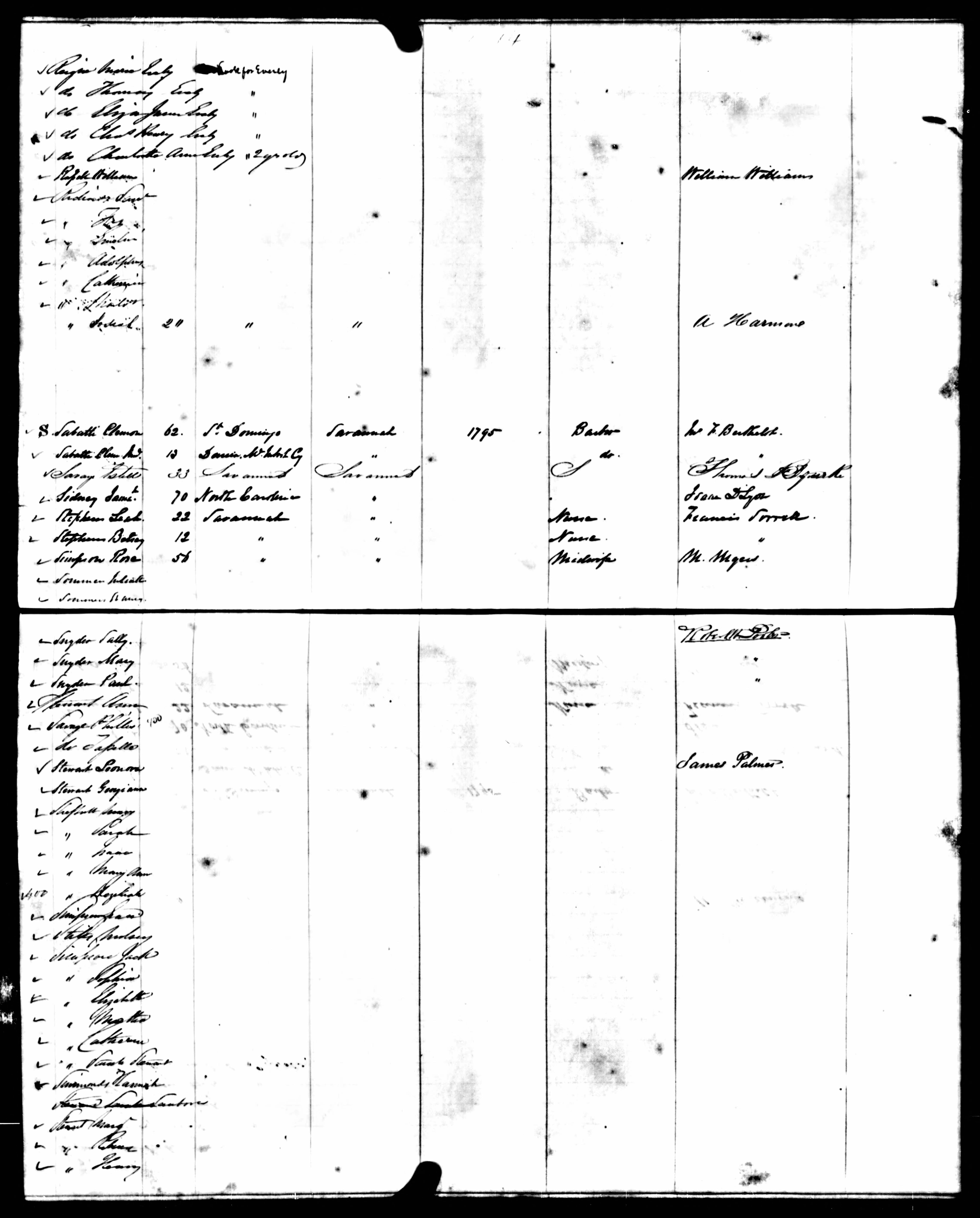
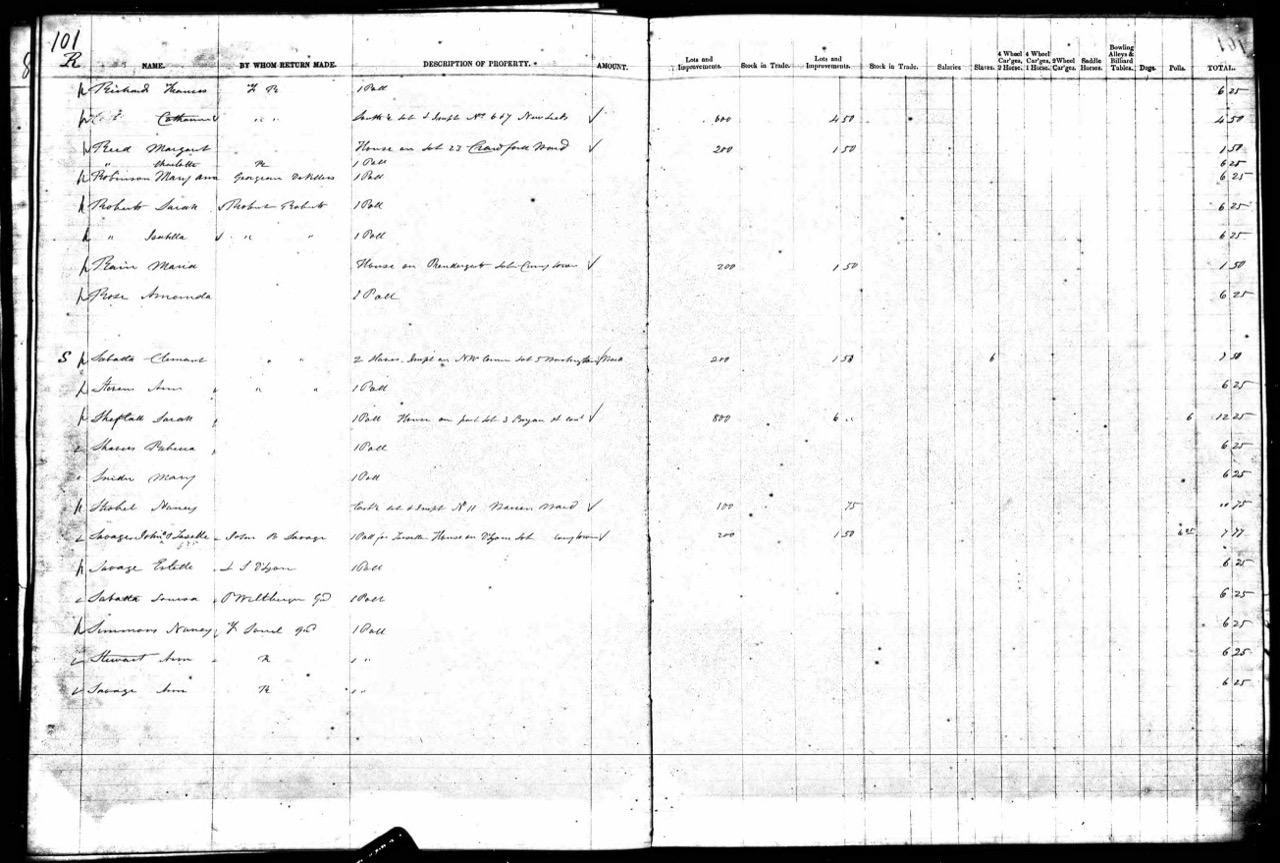
Clemente Sabbatie, a free man of color, emigrated from Saint-Domingue in 1795. He and his wife, Mary Gary, settled in Darien, Georgia, where they raised their family. Their son, Clement Sabbatie Jr., was born there in 1830, followed by their daughter, Hetty, in 1835. Shortly after Hetty’s birth, the family relocated to Savannah. Mary Gary died during the 1840s.
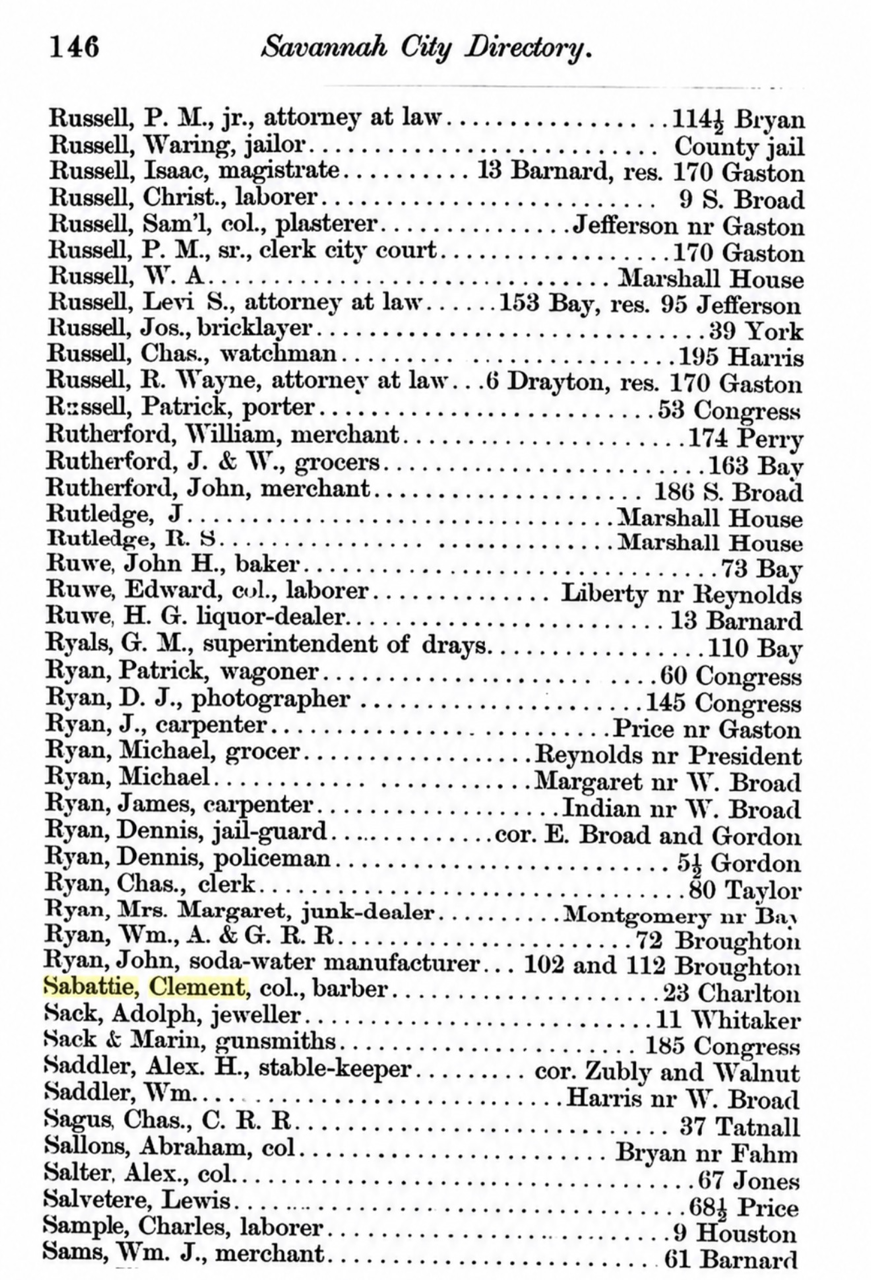
In 1865, following the death of his first wife, Clemente married Lucy Mirault Gary, the widow of his cousin, Samuel Gary. A member of Savannah’s prominent Mirault family, Lucy moved with Clemente to Darien, where they lived on Congress Street. Clemente operated a barber shop on Broad Street near the corner of Screven and Broad.
Clemente and Lucy raised eight sons, all of whom he trained as barbers. Several of the Sabbatie sons later operated a barber shop on Habersham Street in Savannah, serving a predominantly white clientele. He owned 2 enslaved individuals.
Clement Sabbatie Jr. became active in the Darien community, organizing fundraisers to support African American schools. His sister, Hetty, returned to Darien and Sapelo Island for a period to teach newly emancipated children. Her correspondence with the Freedmen’s Bureau survives.
After Clemente became ill in 1887, Lucy brought him to Savannah to be cared for at her mother Elizabeth Mirault's home. He died there later that year. Lucy subsequently returned to Savannah, where she lived beside her mother’s home on East Charlton Street. Both Mirault family houses survive and have been restored. The Sabbatie residence on Congress Street and Clemente’s Darien barber shop no longer stand. He also owned a small lot that is now part of the property now known as the Mulberry Hotel.
___
Sources:
City of Savannah Municipal Archives / Chatham County Records. "Land Tax and Property Records, 1809–1938 [Clemente Sabattie] Tax Digests 1849-1853. [Lot 5 Washington Ward] Digital images, Ancestry.com. [1850]
City of Savannah Municipal Archives / Chatham County Records. Clemente Sabattie in Savannah, Georgia, U.S., Registers of Free Persons of Color, Volume 4, 1837-1849. Digital images, Ancestry.com
Facebook Savannah Black History
1870 Savannah City Directory, p.146
History behind the Story: A Black Teacher in Georgia
Johnson, Whittington B. “A Black Teacher and Her School in Reconstruction Darien: The Correspondence of Hettie Sabattie and J. Murray Hoag, 1868-1869.” The Georgia Historical Quarterly, vol. 75, no. 1, 1991, pp. 95-97. JSTOR
Hoskins, Charles Lwanga.W.W. Law and His People: A Timeline and Biographies, Gullah Press, 2012, p.27
9Simon and Susan Jackson's Tailoring and Ice Cream
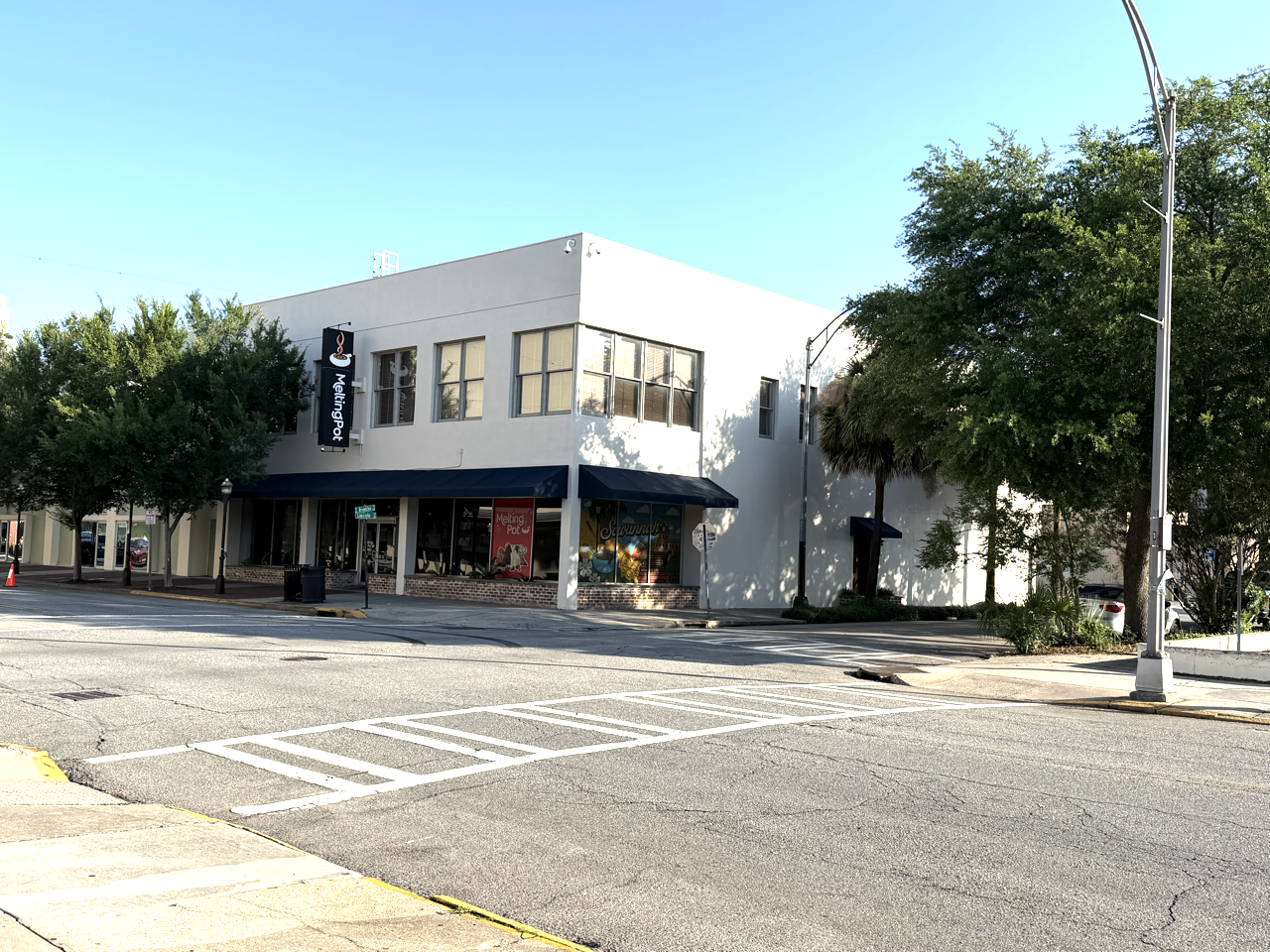
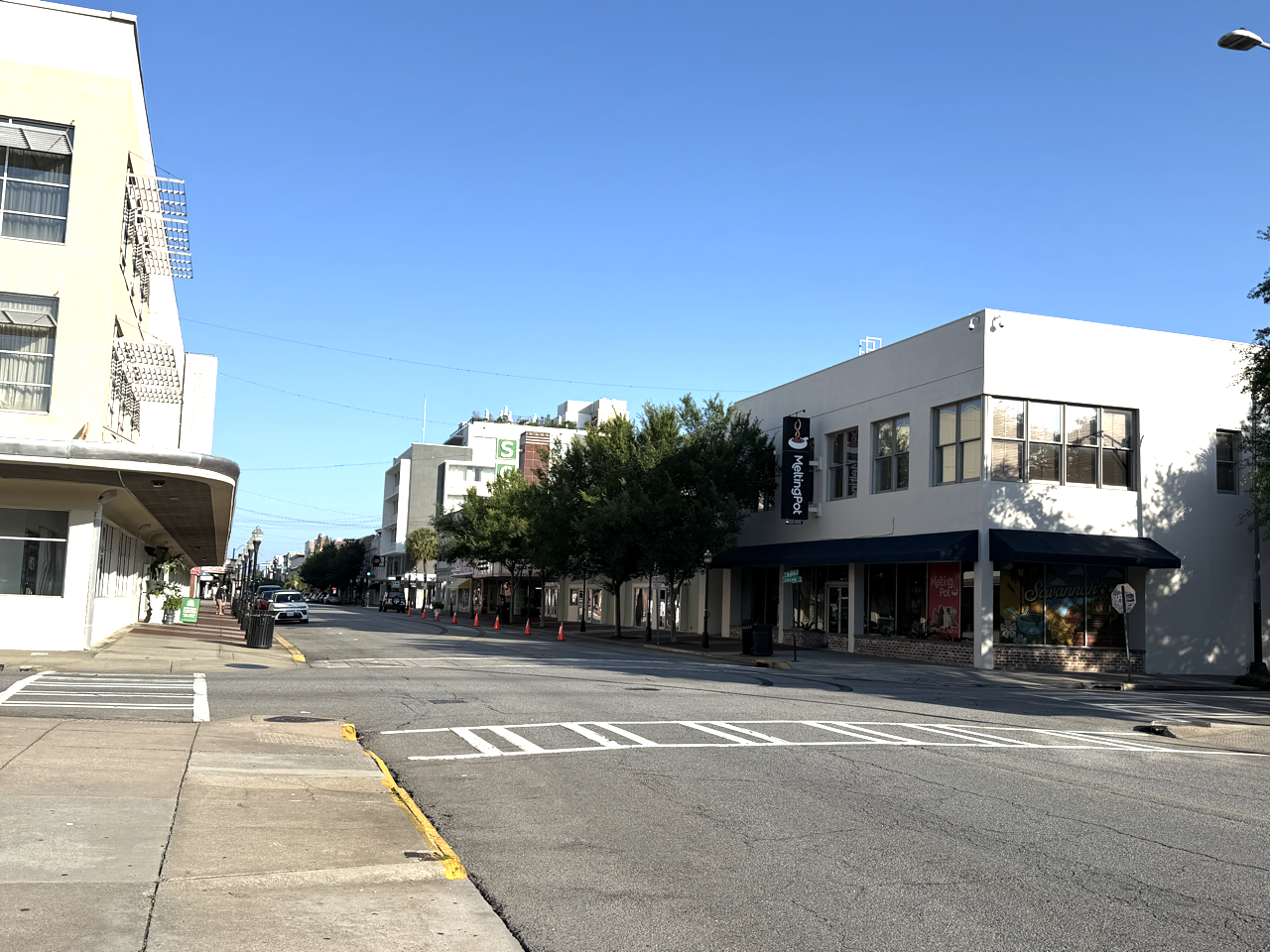
Location: Corner of East Broughton and Lincoln Street
___
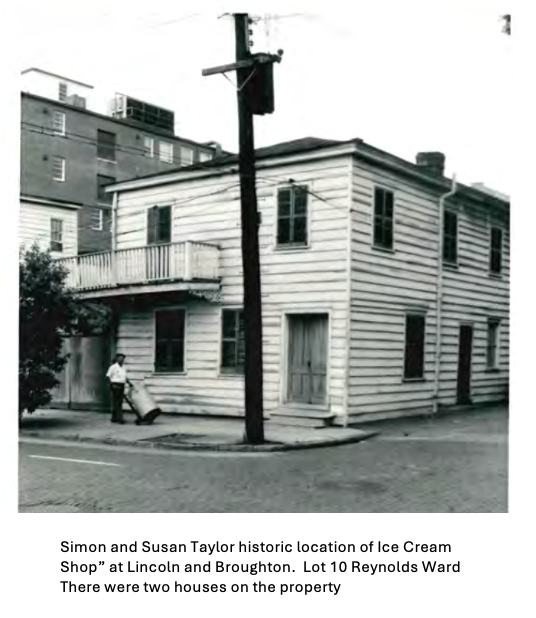
Simon and Susan Jackson were among Savannah’s successful free Black entrepreneurs in the early nineteenth century. Their partnership extended beyond marriage and into business. Simon operated a tailoring shop, while Susan built a thriving culinary enterprise that made her one of the city’s most notable businesswomen.
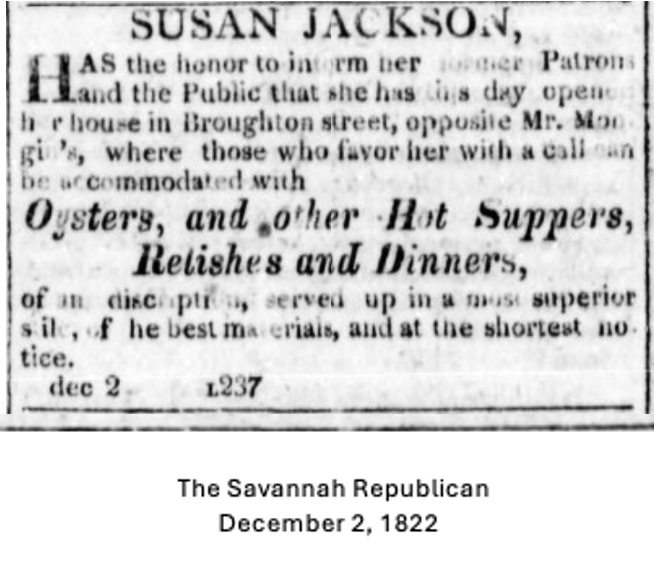
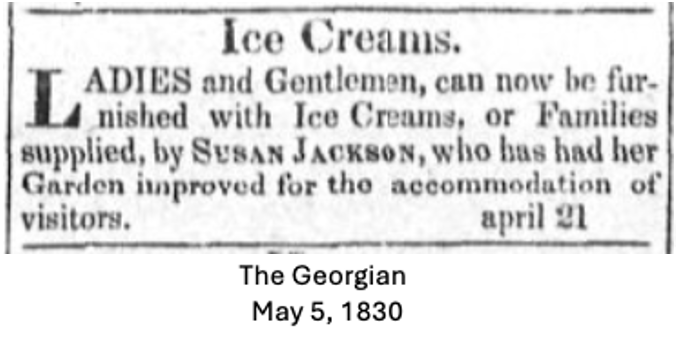
Susan was born in Savannah in 1786 and first advertised her famous “Superior Ice Creams” in Savannah newspapers in May of 1821, inviting customers to enjoy her refreshments between 3:00 and 10:00 in the evening. The response appears to have been overwhelming. By the following spring, she returned to the newspapers “by popular demand”, continuing to serve the frozen delicacy that had earned her a loyal following.
As her business expanded, Susan broadened her offerings. By late 1822, she was advertising a general kitchen and dining establishment while continuing to sell the ice cream that had made her famous. In 1830, she proudly informed customers that she had recently improved her garden to accommodate visitors, suggesting that her establishment had become not just a place to eat but a destination where Savannahians could gather, socialize, and enjoy an evening out.
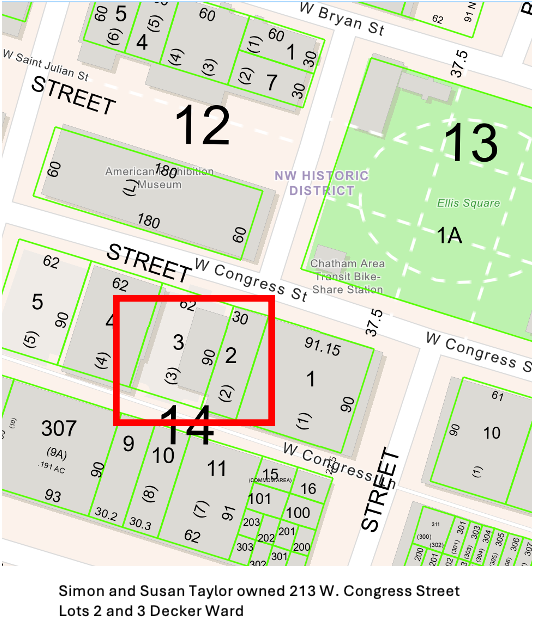
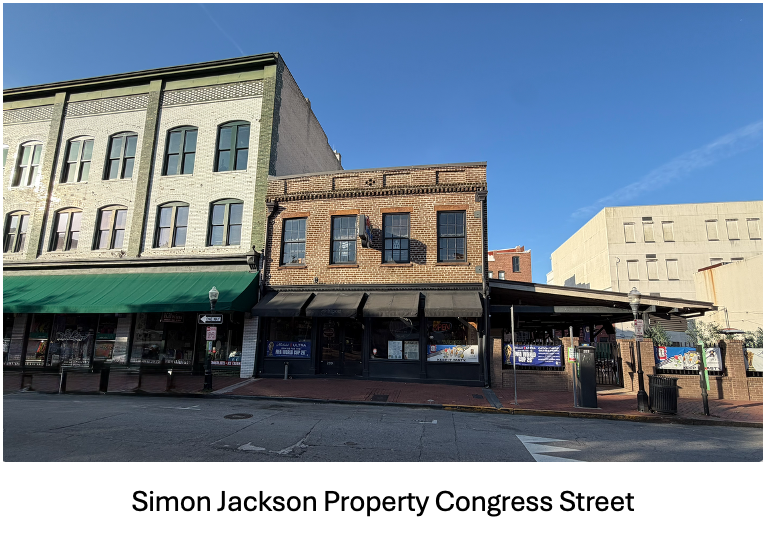
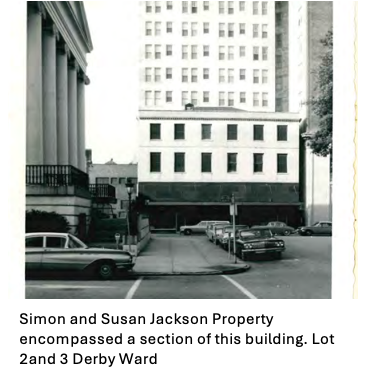
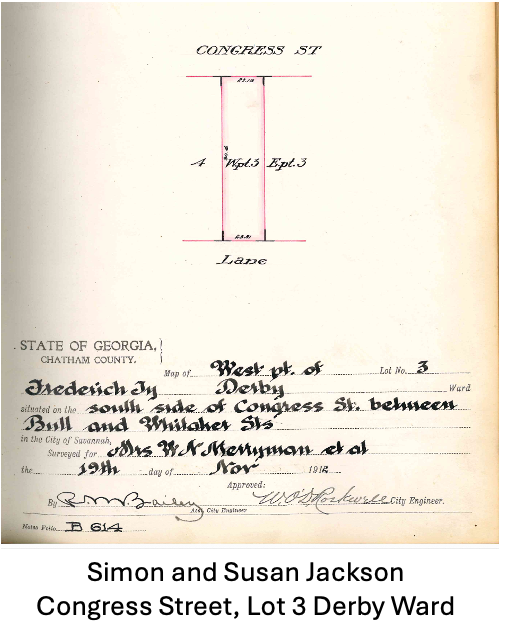
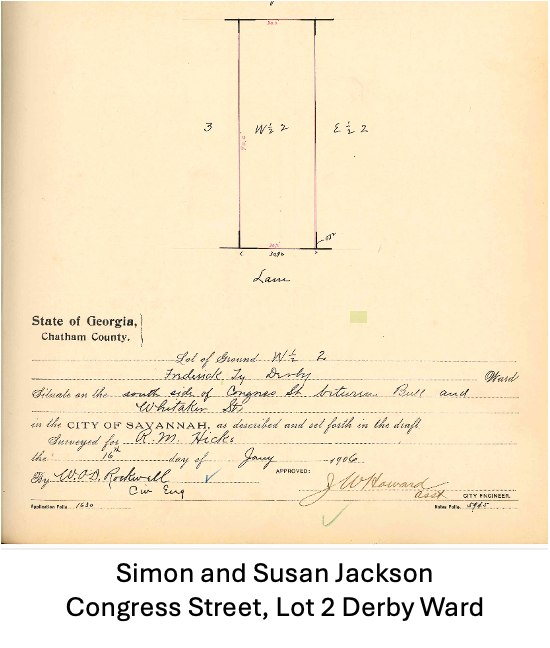
Meanwhile, Simon and Susan accumulated valuable real estate throughout the city, including properties in Derby Ward near Bay and Whitaker Streets and in Reynolds Ward near today’s Broughton and Lincoln Streets, where they operated the pastry shop. Reynolds Ward was one of Savannah’s leading commercial districts. In addition to their business, they owned rental property that generated $80 per month by 1860. Their growing wealth was reflected in the increasing assessed value of their real estate, rising from $1,000 in 1847 to $1,500 in 1855 and $5,000 by 1860. The income from their investments enabled them to live comfortably and purchase enslaved laborers to assist in their business. Following her death in 1860, the property was later sold through probate for $15,000. Their success demonstrates that some free people of color were able to build businesses, acquire property, and establish themselves in Savannah’s commercial life despite the era's legal and social barriers.
Yet their story also reveals the complexities of life in a slave society. Records show that Simon bought and sold enslaved individuals, including the sale of an enslaved cook and the purchase of another enslaved person from Francis Jalineau, a fellow free man of color and merchant whose business interests stretched from Savannah to Cuba. Like many free people of color, the Jacksons navigated an economic system in which property ownership, entrepreneurship, and slavery were deeply intertwined.
The story of Susan and Simon Jackson reminds us that the lives of free African Americans in Savannah were far more diverse and complex than we often assume—filled with ambition, enterprise, success, and difficult contradictions.
___
Sources:
City of Savannah Municipal Archives. Historical photograph credit. Courtesy of the City of Savannah Municipal Archives, Savannah, GA.
City of Savannah Municipal Archives. "Surveys and Plats." Record Series EN5600-120A, Records Center CRC-B7, Derby Ward Lots 2 & 3, Folio 4377. City of Savannah Municipal Archives, Savannah, GA
City of Savannah Municipal Archives. "Surveys and Plats." Record Series EN5600-120A, Records Center CRC-B7, Derby Ward Lots 2 & 3, Folio 1781. City of Savannah Municipal Archives, Savannah, GA.
City of Savannah Municipal Archives. "Surveys and Plats." Record Series EN5600-120A, Records Center CRC-B7, Derby Ward Lots 2 & 3, Folio 2953. City of Savannah Municipal Archives, Savannah, GA.
Johnson, Whittington B. "Free Blacks in Antebellum Savannah: An Economic Profile." The Georgia Historical Quarterly 64, no. 4 (Winter 1980): 418–431.
Lumpkin-White, Arva. Photograph credit.
Ports, Michael A. Georgia Free Persons of Color. Volume IV: Chatham County, 1817–1863. 72, 123. Baltimore: Clearfield Company, 2016.
Savannah Area Geographic Information System (SAGIS). "SAGIS Property Map Viewer." Chatham County-Savannah Metropolitan Planning Commission.



10Catherine Deveaux School and Restaurant
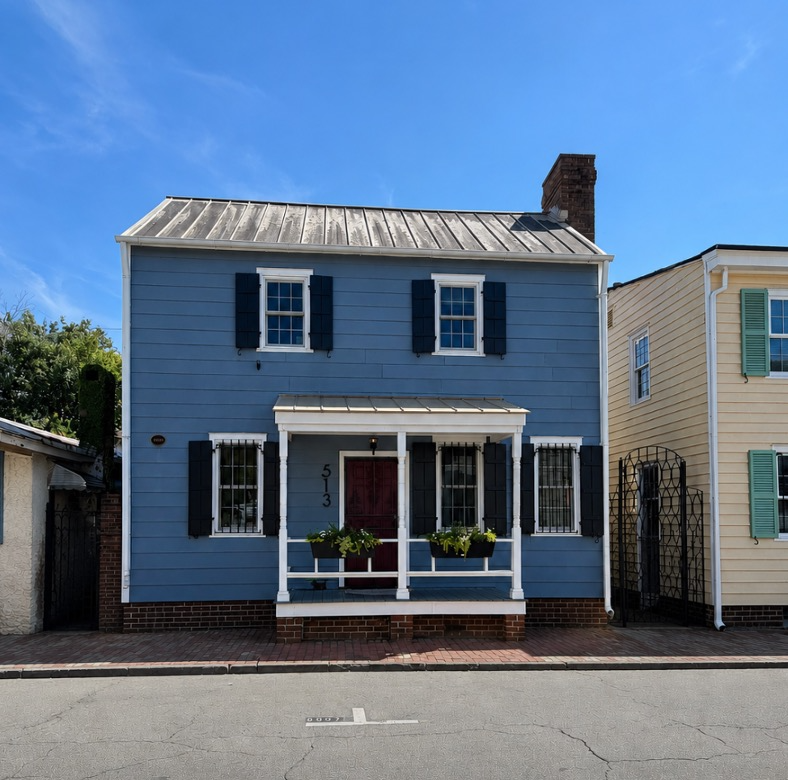
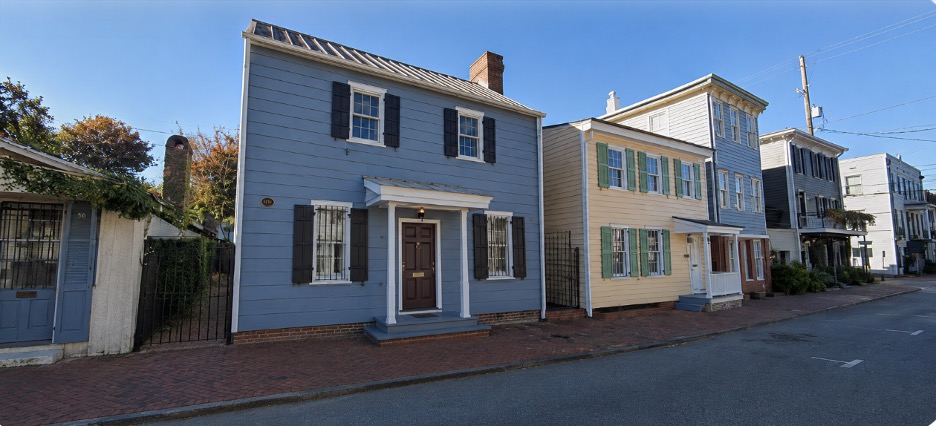
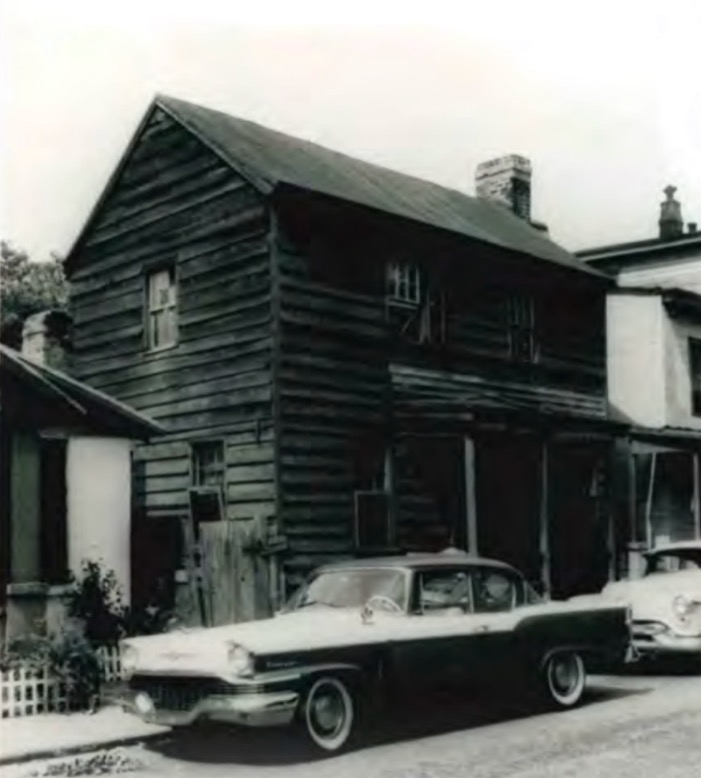
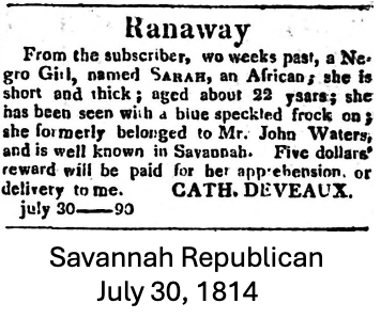
Catherine Deveaux (c. 1785–1834) was af Free Woman of Color born in Antigua who established herself as a successful entrepreneur in early nineteenth-century Savannah. Long before she became known for her role in education, she earned her living as a skilled cook, pastry maker, seamstress, and proprietor of a boarding house. Between 1814 and 1820, Savannah newspapers regularly carried her advertisements offering meals, lodging, and culinary services, making her one of the earliest documented Black businesswomen in the city. enabled Catherine to purchase property and establish a permanent home on East York Street.
The constant activity of boarders, customers, and domestic work also created an ideal cover for another enterprise operating quietly within the household. Together with her daughter, Jane Deveaux, Catherine transformed her home into one of Savannah’s longest-running clandestine schools for free and enslaved Black children. While publicly known as a cook and boarding house proprietor, she secretly taught reading, writing, and religious instruction in defiance of Georgia law. The household’s legitimate business activities helped conceal the movement of children and visitors, allowing the school to operate for decades when many similar schools were discovered and closed. Since it is established that she owned several houses, it is not known exactly how many houses she had and what businesses she operated out of each. Local historian, Jefferson Hall has put a magnifying glass on her property records and hypothesizes that Catherine Deveaux may have owned not three properties in three wards, but possibly five properties in four wards
Catherine Deveaux died in 1834, leaving behind a thriving household, valuable real estate, and a business that had sustained both her family and her educational mission. Jane Deveaux continued the school after her mother’s death, preserving the foundation Catherine had built. Little is known about Jane Deveaux’s personal life. Some historical accounts identify her as the wife of Isaac Deveaux and the mother of John H. Deveaux, who co-founded The Colored Tribune in Savannah in 1875, a newspaper later renamed The Savannah Tribune in 1876. However, surviving documentary evidence does not conclusively establish this relationship. Current research suggests it is more likely that Jane Deveaux was John Deveaux's aunt rather than his mother. Jane Deveaux died in 1885 of acute diarrhea and was buried in Laurel Grove South Cemetery.
Today, Catherine Deveaux is remembered not only as one of Savannah’s earliest Black educators, but also as a successful cook, boarding house proprietor, and businesswoman whose enterprise made possible one of the city’s most enduring acts of quiet resistance.
___
Sources:
City of Savannah Municipal Archives. Historical photograph credit. Courtesy of the City of Savannah Municipal Archives, Savannah, GA.
Lumpkin-White, Arva. Photograph credit.
Sumler-Edmond, Janice L. "Free Black Life in Savannah: Jane Deveaux and Her Secret School." In Slavery and Freedom in Savannah, edited by Leslie M. Harris and Daina Ramey Berry, 122–138. Athens: University of Georgia Press, 2014.
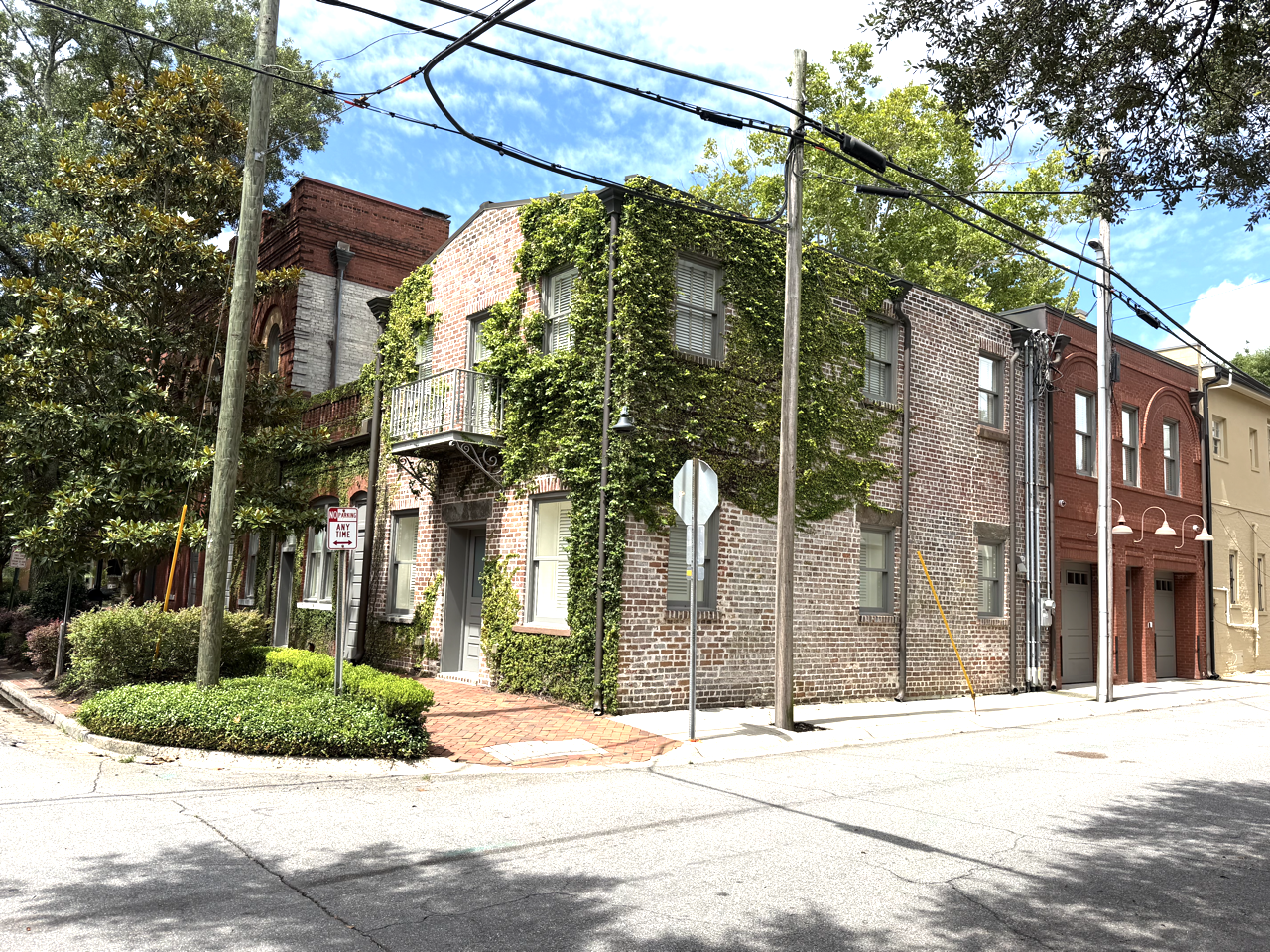
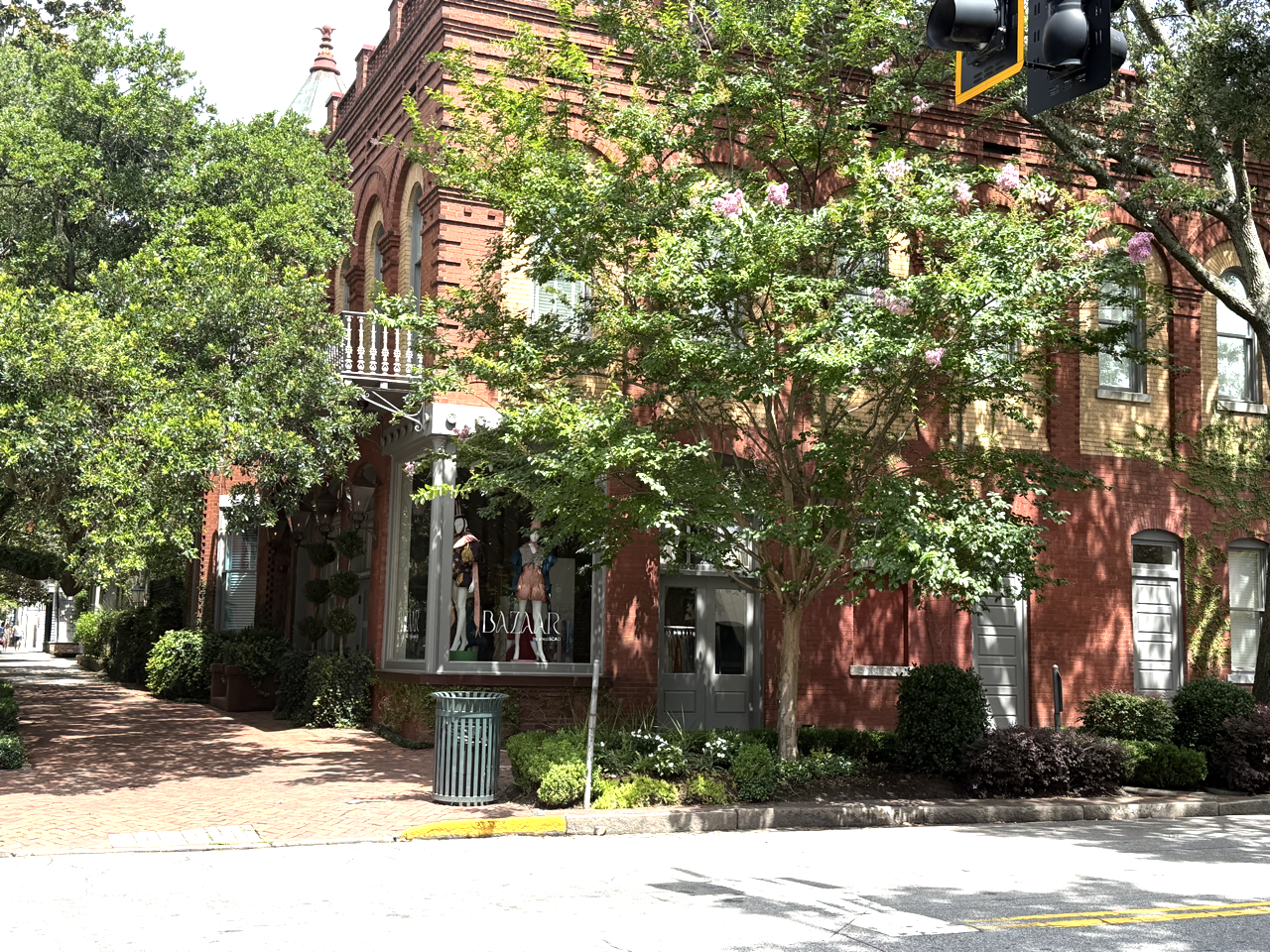
11William Claghorn, Master Baker
Location: Corner of Liberty and Habersham Streets, towards the back at Perry Lane
___
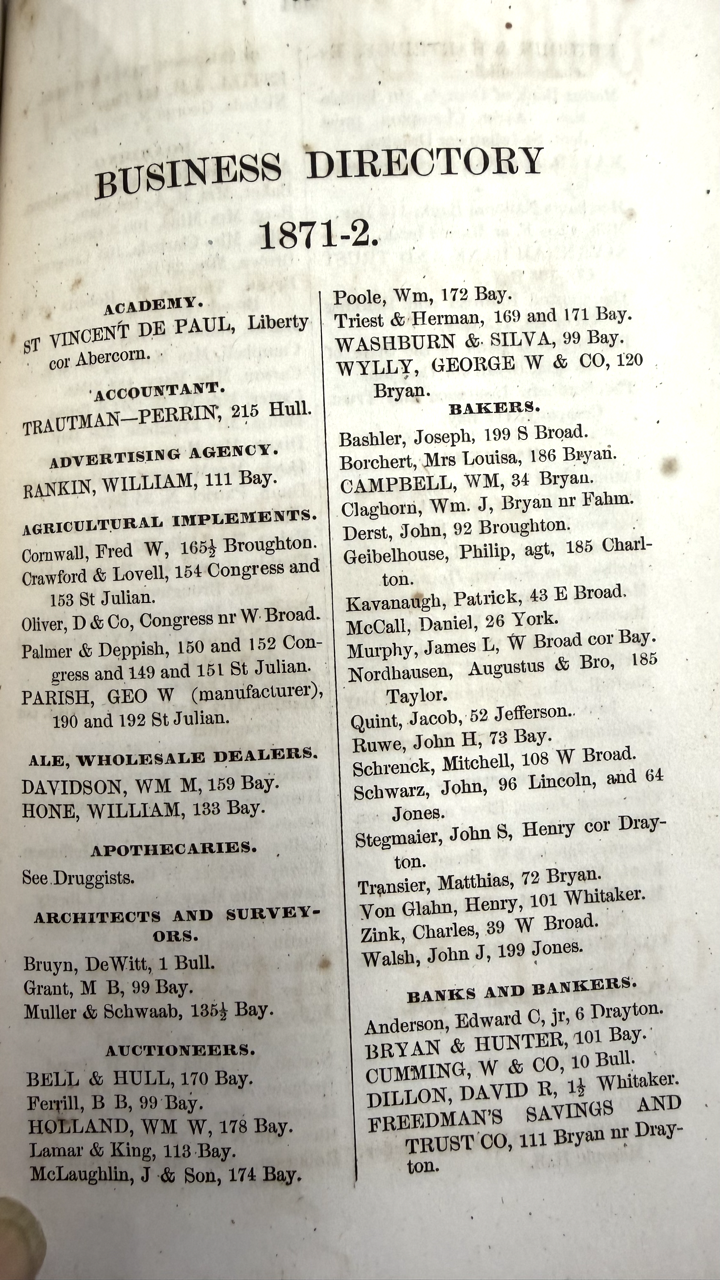
William Cleghorn was a master baker and renowned caterer in Savannah's wealthier social circles. He was born into slavery in 1822. He and his wife Cornelia, a seamstress and dressmaker, bought their freedom and that of their children in 1842.
He and his family were devout Episcopalians who worshiped at the Savannah River Mission. When the mission closed its doors to the enslaved, Cleghorn sought another location for worship. He opened the upper floor of his bakery as a makeshift sanctuary. He worked tirelessly to establish the new congregation, which would become St. Stephen's Episcopal Church.
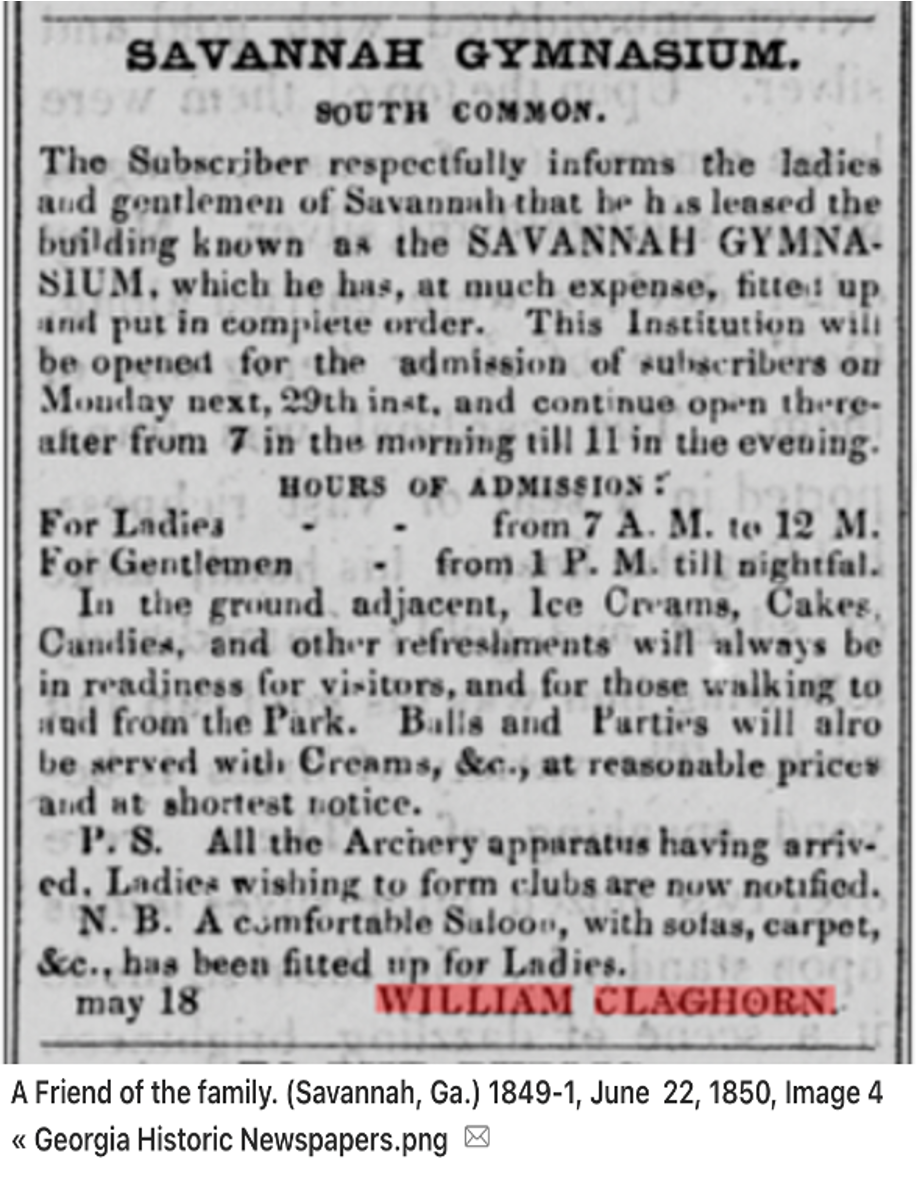
In addition to his large catering and baking business, he hosted family recreation activities that were regularly advertised in the local newspapers. He was a passionate educational advocate and was among a group of local black leaders who petitioned the Board of Education to improve the education of black students in the city's public schools. He was very successful in business and had property valued at $ 4,000 and $ 2,000 in personal property. He shared his household with his wife, daughter, and four German men, said to be European bakers that he employed in his business. William Claghorn died at his home in March of 1878.
___
Sources:
"Bakers." In Savannah City Directory, 1871
Georgia Historic Newspapers. June 22, 1850
Hoskins, Charles Lwanga. Yet With a Steady Beat: Autobiographies of Early Black Savannah. Savannah: Gullah Press, 2001, 55–56.
Lumpkin-White, Arva. Photograph credit.
The interactive version adds a street-following map, narration audio and a guided stop-by-stop experience.