Self-Guided Heritage Trail · Savannah, GA
Hearths and Homes | Beach Institute Neighborhood Trail
Homeownership: The American Dream

- 1 hr 50 min
- 1.8 miles
- 15 stops
- Free
For an interactive map and audio narration, press Start this trail.
About This Trail
This second trail in the Hearths and Homes series follows a different path through the Beach Institute neighborhood and the South Historic District. The Beach Institute neighborhood was home to many free people of color in nineteenth-century Savannah.
Although it did not fall within the City of Savannah's corporate limits until 1838, the Beach Institute neighborhood was initially part of the Garden Lots in Savannah’s original town plan. The current neighborhood was primarily developed in the 1850s as housing for railroad workers of the Savannah and Albany Railroad. The neighborhood name is taken from the Beach Institute school, which was established in 1867 by the American Missionary Association and the Freedman’s Bureau for the education of formerly enslaved Savannahians. The school and thus the neighborhood were named after Alfred Ely Beach, an entrepreneur, owner, co-founder, and editor of Scientific American magazine, who donated the money to purchase the school site. The neighborhood has the highest concentration of 19th-century one-story cottages in Savannah’s Historic District, and many are notable for their Carpenter Italianate architectural style.
The Route
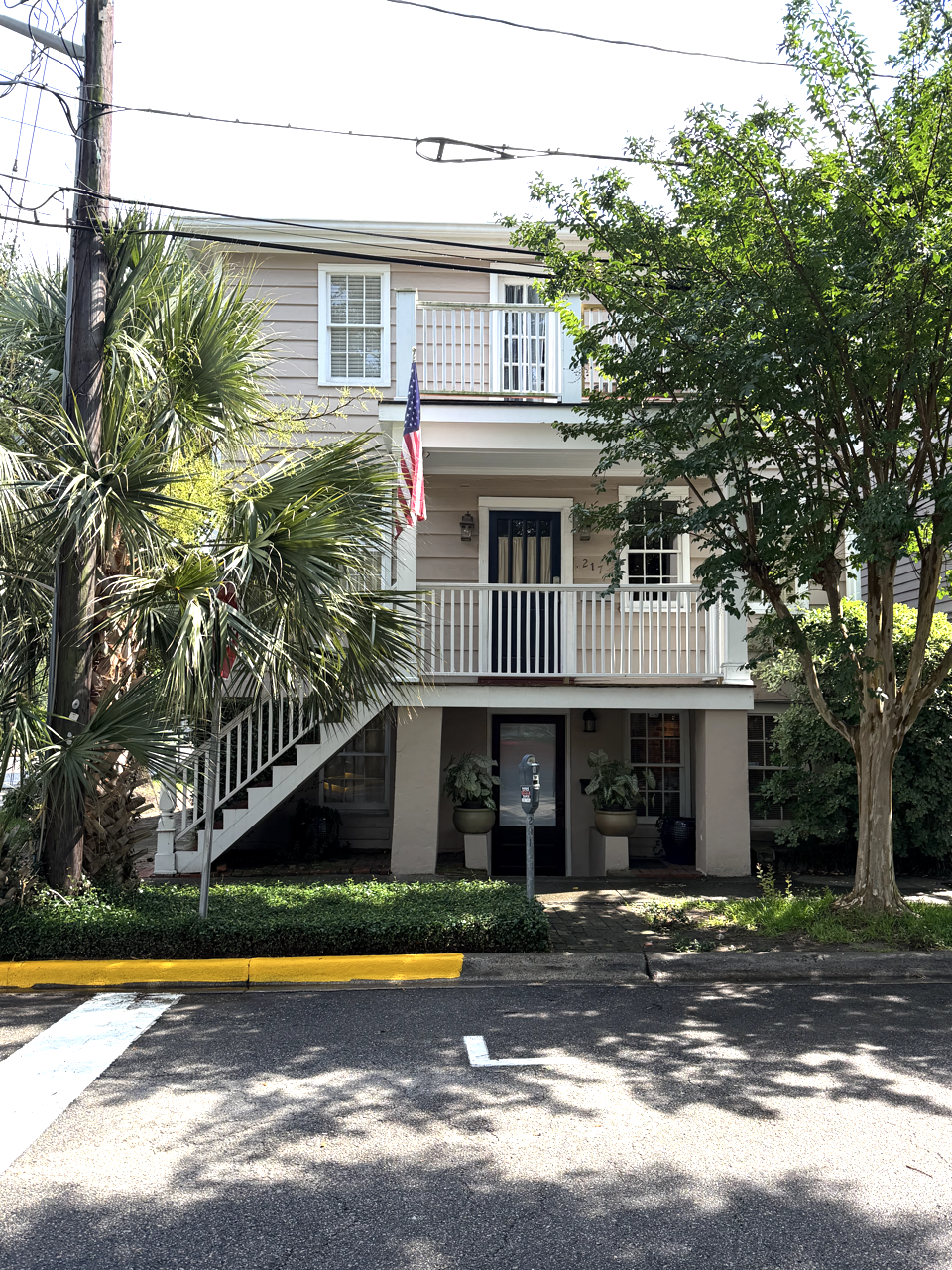
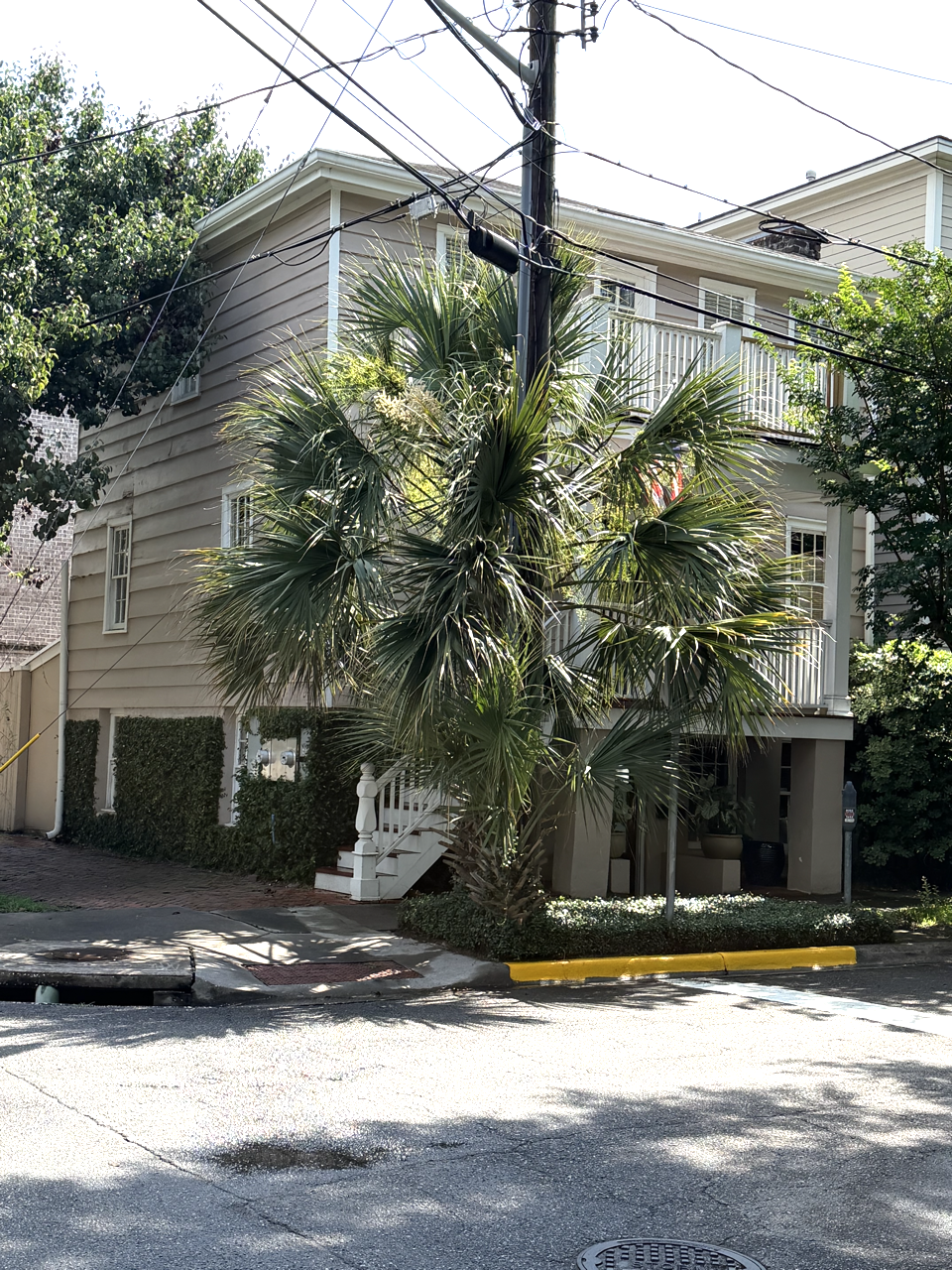
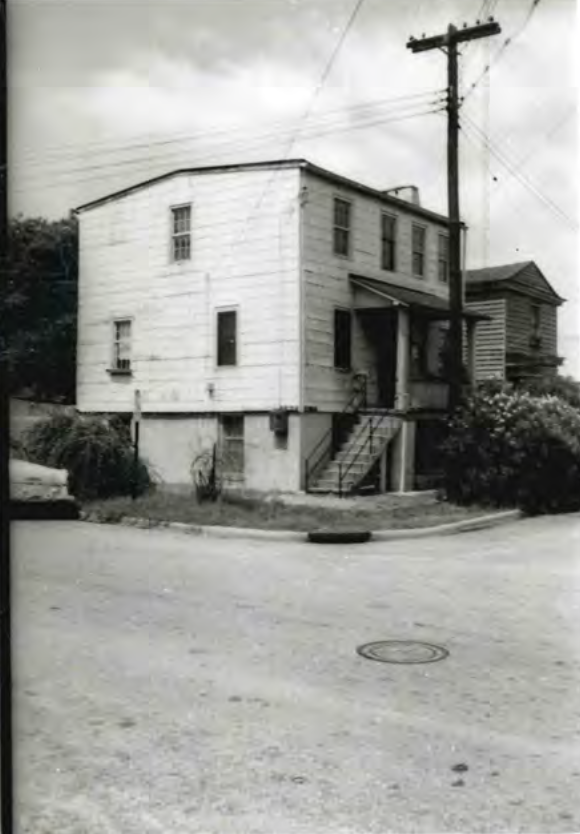
1Phyllis Savage Home 1846
Location: 217 Alice Street
___
Phyllis Savage was likely born about 1779 in Saint-Domingue and came to Savannah as a free woman of color. In the 1830 free-person register, she was listed as a washerwoman, a modest occupation, but her life shows substantial property accumulation. Her children were Estelle, John B. Savage, and likely Tarselle or Tharcille Savage. The Savage family’s presence on Berrien Ward Lot 2 can be documented as early as 1853.
Contemporary evidence suggests that the entire parcel—Berrien Ward Lot 2, encompassing the block bounded by Gaston, Tatnall, Alice, and Jefferson Streets—was under the ownership of the Savage family during the mid-nineteenth century.
By the early 1860s, Phillis Savage’s daughter, Estelle Savage, had begun developing additional dwellings on the family property. One residence was erected immediately west of her mother’s home at what later became known as 223 Alice Street. A second house was constructed on the southern portion of the lot, facing Gaston Street, at 228 West Gaston Street. Adjoining this structure was another residence associated with her brother, John Savage, at 230 West Gaston Street. Together, these buildings formed a small family enclave that reflected the growing prosperity and permanence of the Savage family in post-Civil War Savannah.
Remarkably, all three of these nineteenth-century structures survived well into the twentieth century. Estelle Savage’s house, though long neglected and in deteriorated condition, endured into the early twenty-first century before ultimately being demolished. The loss of these buildings erased much of the family’s physical footprint in Berrien Ward, but not all traces of their legacy disappeared.
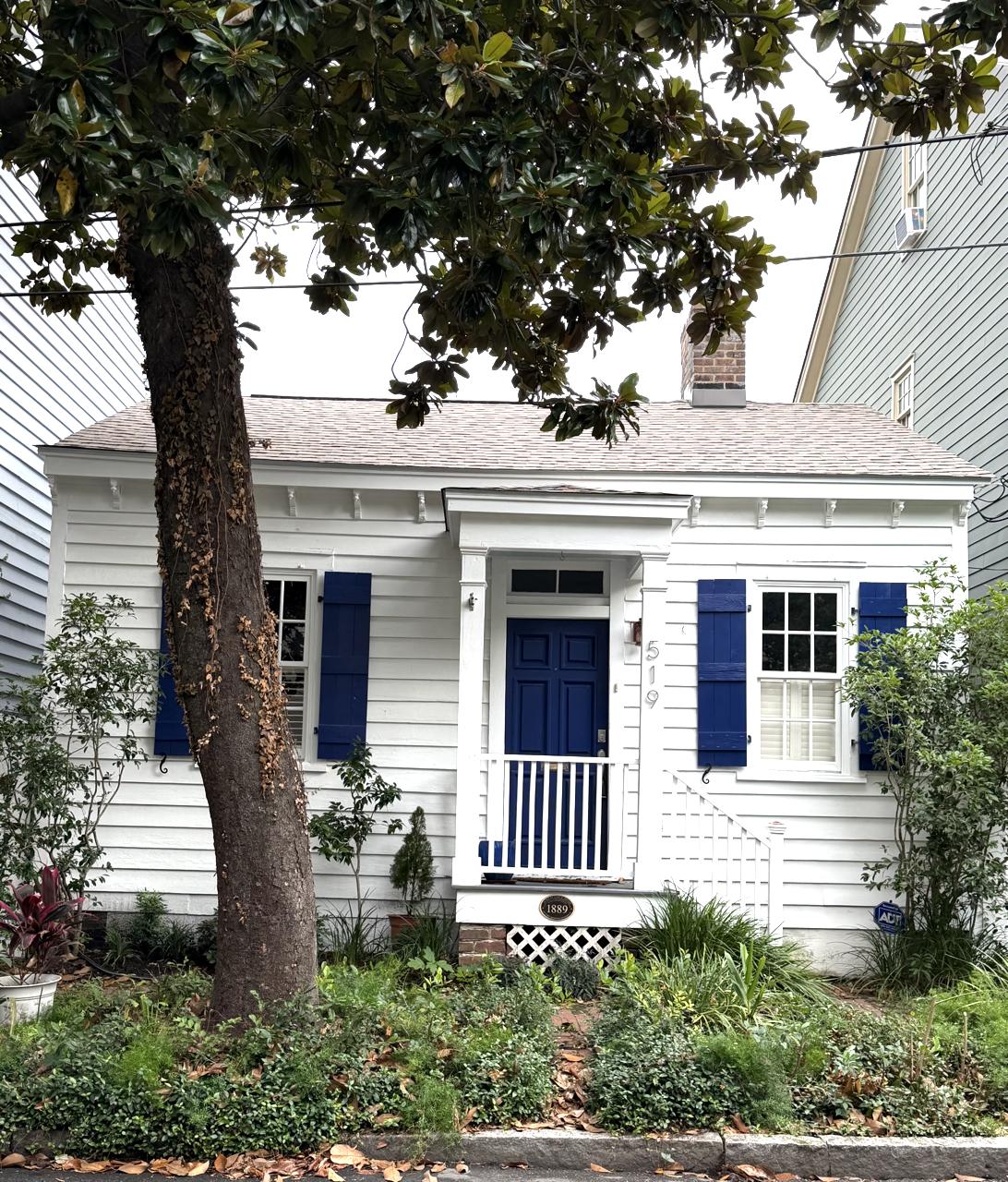
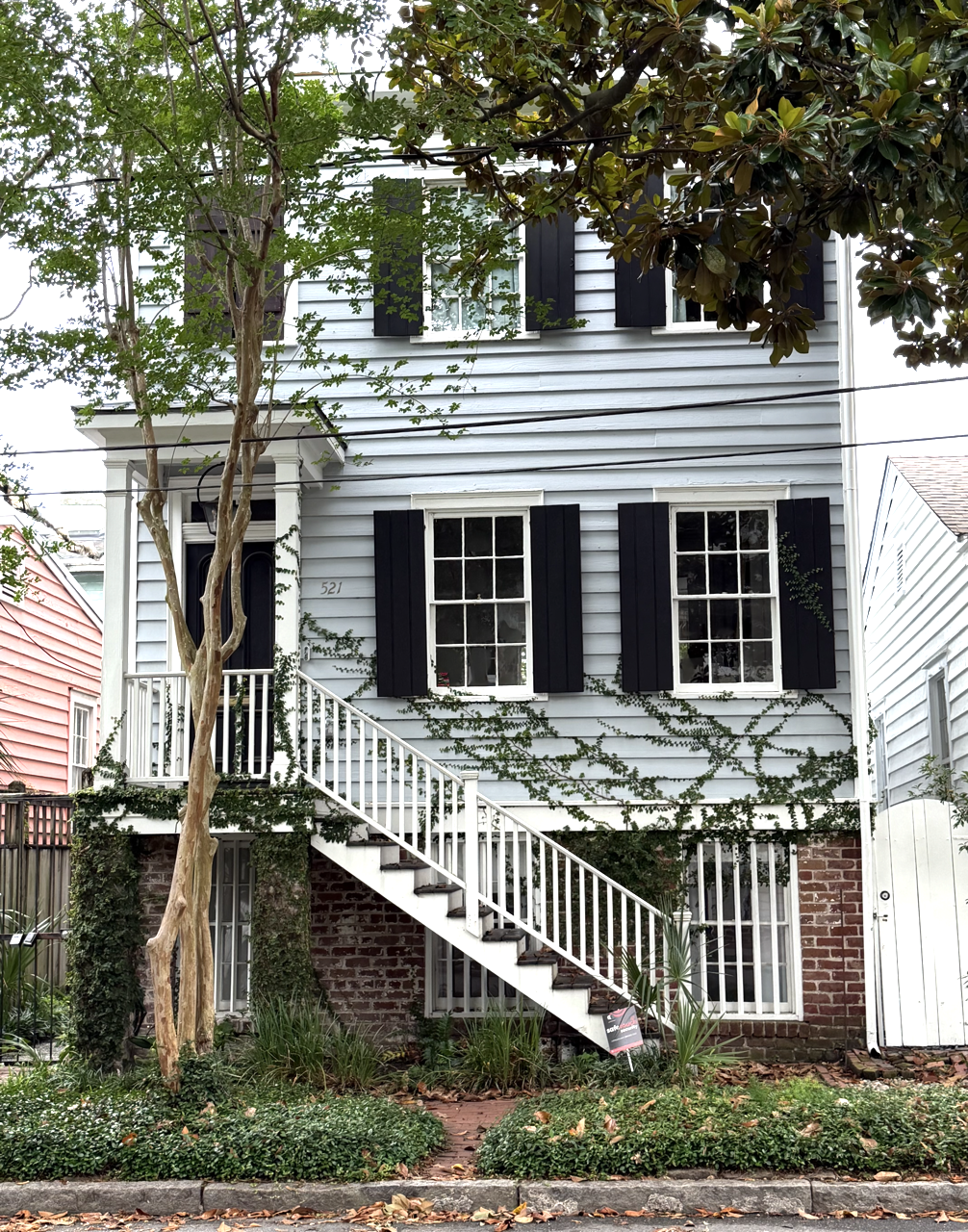
The family’s investment in Savannah real estate expanded eastward during the Reconstruction era. Around 1875, Estelle Savage acquired property in Bartow Ward at 519 and 521 East Harris Street in Savannah’s Beach Institute neighborhood. At that time, the eastern portion of the lot was already occupied by the structure that survives today. By 1889, John Savage had developed the western portion of the same lot with an additional residence. Surviving deeds, tax records, and city directories frequently list John and Estelle interchangeably, making it difficult to determine with certainty which sibling held title to particular properties at specific moments. Nevertheless, the historical record clearly associates both siblings with the development and ownership of the houses that stand today at 519 and 521 East Harris Street.
These surviving residences represent some of the last remaining architectural links to the Savage family. While the buildings once clustered around Phillis Savage’s home in Berrien Ward have largely vanished, the houses on East Harris Street continue to bear witness to the family’s success as property owners and builders during the late nineteenth century. As such, they stand as important reminders of the contributions of Phillis Savage and her children to the development of Savannah’s African American community in the decades following emancipation.
___
Sources:
City of Savannah Municipal Archives. Historical photograph credit. Courtesy of the City of Savannah Municipal Archives, Savannah, GA.
Hall, Jefferson. "FPCs (Free Persons of Color)." Jefferson Hall Blog, October 21, 2019
Lumpkin-White, Arva: Photograph credit
Savannah, Georgia. Register of Free Persons of Color, 1834, 1835, 1842 City of Savannah Municipal Archives / Chatham County Records, Savannah, GA.
Savannah, Georgia. Land Tax and Property Records, 1809–1938. City of Savannah Municipal Archives / Chatham County Records, Savannah, GA.
2King-Tisdell Cottage
Location: 514 East Huntingdon Street
___
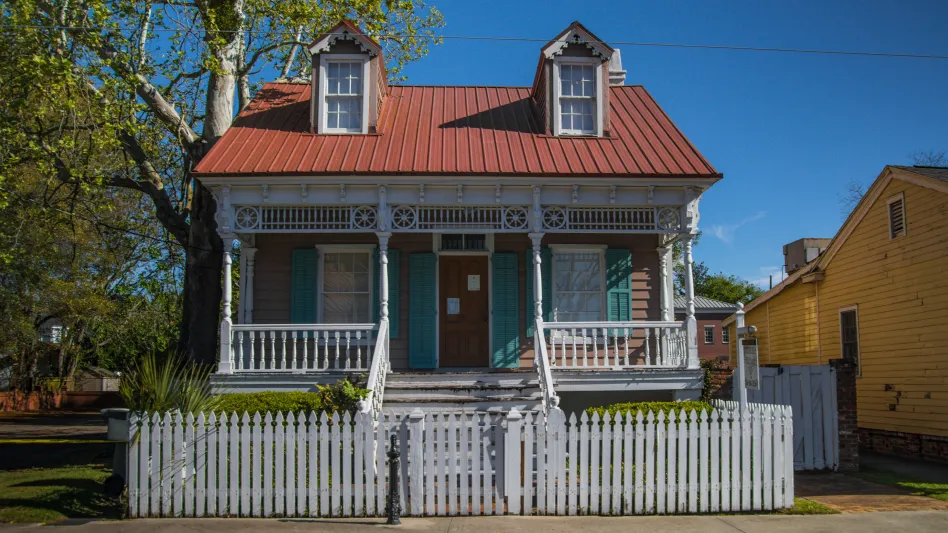
Built in 1896 by W. W. Aimar; moved and altered in 1980.
Originally located at 516 Ott Street, the house now stands at its present location in the Beach Institute neighborhood. On a quiet stretch of East Huntingdon Street stands a house that looks like a piece of jewelry — all spindles and lace-cut woodwork, a confection of late Victorian carpentry. The King-Tisdell Cottage is one of Savannah's most recognizable Victorian-era residences, and one of the city's most important landmarks tied to African American heritage. Built in 1896, it tells a story: the rise of a prosperous Black middle class and entrepreneurial community in the decades after Reconstruction. Its elaborate decorative woodwork, delicate spindle detailing, and gingerbread ornamentation make it one of the finest surviving examples of Victorian residential architecture associated with African American ownership anywhere in Savannah.
The house carries the names of the people who made it a home. It was named for its African American owners, Eugene King and his wife, Sarah King — and later for Sarah's second husband, Robert Tisdell. But the cottage we see today is not standing where it began. Originally built elsewhere in the city, it found itself in the path of destruction during the urban renewal era of the twentieth century, when entire Black neighborhoods across America were cleared in the name of progress. The cottage was marked for demolition.
It survived because people fought for it. Preservationists saw past the peeling paint to the history and craftsmanship the house represented, and in 1970, the effort to save it began. Rather than let it fall, they moved it — relocating the entire structure to its present site on East Huntingdon Street, where it was carefully restored, board by carved board.
At the center of that rescue stood one of Savannah's towering figures: civil rights leader and historian W. W. Law. Law understood something the city's institutions had long ignored — that there was almost nowhere dedicated to telling the story of Savannah's African American past. So he built one. In 1981, he established the King-Tisdell Cottage Museum, turning a saved house into a place where Black Savannah's history could be preserved and presented to the public. He did this decades before African American heritage tourism became something cities sought out and celebrated. Law was ahead of his time.
Today the cottage lives on as an African American heritage museum, operated by the King-Tisdell Cottage Foundation. Its exhibits trace the texture of African American life in Savannah and across the Sea Islands — business and enterprise, community institutions, military service, education, and the intimate history of neighborhoods. It tells, in particular, the story of the historic Black communities that flourished east of downtown in the late nineteenth and early twentieth centuries, where families built homes, churches, and futures.
The King-Tisdell Cottage does not stand alone. Together with the Beach Institute, it forms the cornerstone of Savannah's African American preservation movement. One landmark tells the story of education and freedom in the wake of emancipation; the other illustrates the rise of Black homeownership, entrepreneurship, and community leadership in the generations that followed. Both were preserved through the vision and stubborn dedication of W. W. Law and the local advocates who stood with him. Both remain among the most powerful physical reminders that survive in Savannah — proof, in wood and brick, of African American achievement written into the very streets of the city.
___
Sources:
Beach Institute African American Cultural Center. "Official Web Portal." Beach Institute
Georgia Department of Economic Development. "African American King Tisdell Cottage." Explore Georgia
Lumpkin-White, Arva: Photograph credit
SAH Archipedia. "King-Tisdell Cottage." Society of Architectural Historians
Vanishing Georgia. "King Tisdell Cottage - 1896 - Savannah." Vanishing Georgia, December 10, 2019
3Mosianna Milledge Homes
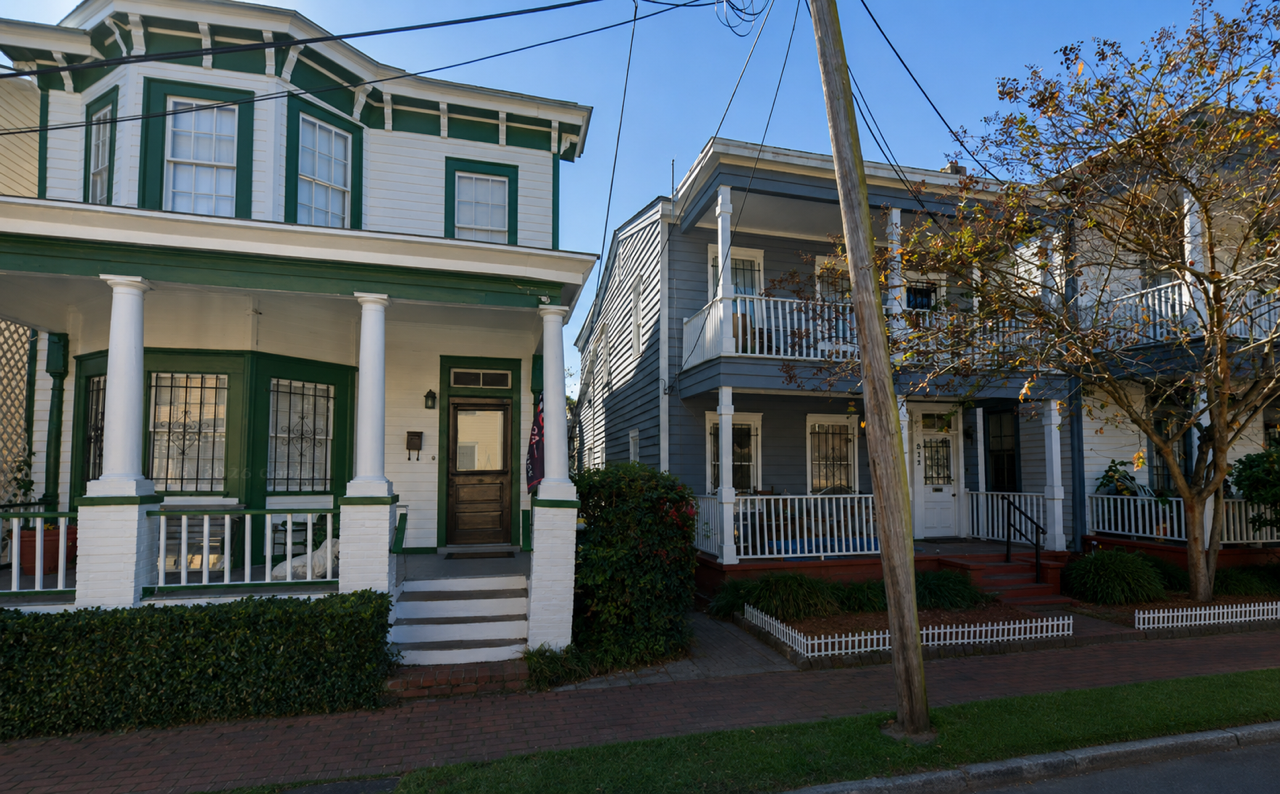
Location: 511 and 513 East Gaston Street
Mosianna Ruth Delegall Milledge
___
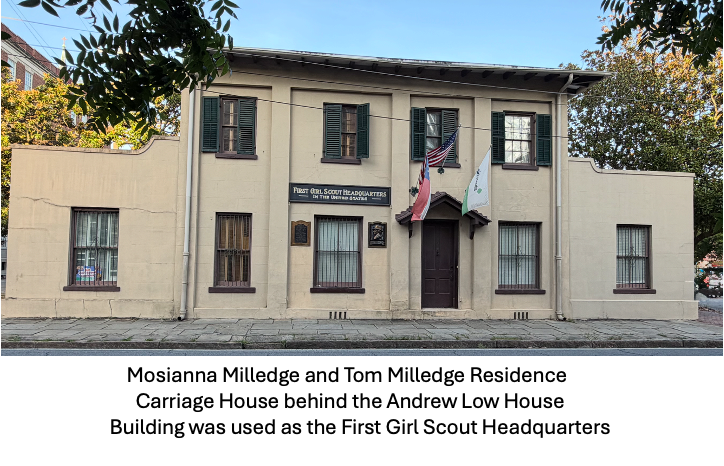
Mosianna Milledge purchased two homes in the Beach Institute neighborhood. The homes were located at 513 East Gaston Street (1874) and at 514-516 Hartridge Street (1900-1901). She built the Hartridge Street residence as a rental property, and it has since been demolished. The Gaston Street property is still standing
Mosianna Ruth Delegall Milledge was born enslaved in Georgia in the mid-1800’s. She gained notoriety as the longtime servant and then cook for Juliette Gordon Low, founder of the Girl Scouts, and her husband, Willie Low. Mosianna lived most of her life in the residences of Juliette Gordon Low and Andrew Low Families..
Details of her early life are few; however, Andrew Low purchased three slaves in 1844, and both she and her eventual husband were thought to be among them. Juliette Gordon Low‘s father-in-law, Andrew, was a wealthy Scottish-born Savannah cotton merchant, and the family occupied the grand Norris-designed residence on Lafayette Square now known as the Andrew Low House Museum.
Upon marriage, Daisy, as Juliette Gordon Low was called, moved into the Andrew Low house in 1886, and Mosianna continued her work as servant and cook for the household.
She was seen as an uninspired house servant by the family; however, her talents in the kitchen soon surfaced as exceptional. The social circuit in Savannah was elevated by parties thrown by the couple featuring Mosianna’s cuisine. Her food was so revered that when the Lows vacationed in England, they brought Mosianna along. She is credited with introducing African American cooking to England’s elite.
According to Kathryn White, an advisor at the Juliette Gordon Low Birthplace, "She taught a very well-known cook in England named Rosa Lewis how to cook her Southern-style dishes, so she could cook them for Prince Edward the 7th to enjoy them in Juliette Low’s English home.”
Mosianna’s rendition of African American Low Country dishes and techniques was shared with popular English cook Rosa Lewis. The introduction of using cured meats, okra, the secret of making perfect rice, brandied apples, and many savory favorites of passed-down African American recipes were highly sought after. She also introduced fan favorites to London’s elite, like waffles, which were served with hot maple syrup from Vermont.
Christiane Lauterbach, a French food columnist in Atlanta who specializes in Southern cuisine, said of her African American dishes, "I had never heard of frying chicken. I was like 30 years old before I even conceived what does it mean frying a chicken? We didn’t fry chicken. Sweet potatoes we did not eat; corn is something we only fed to animals; we did not grow sweet corn...People are interested in Southern food because of the terrific use of vegetables. The fact that Southerners cook vegetables with cured meat. That is very topical as well as historic."
It is unknown if she was enslaved at the time of her marriage, though widely believed she was. Mosianna ‘s husband, Tom, was Andrew Low's trusted servant for a significant part of his life, and their family resided in the Carriage House on the Low property. They had four children: William, born around 1857. Thomas Jr., born around 1865 to 1867, Mary, born around 1870 to 1877, and Rebecca, born around 1880. Mosianna and Tom raised them all on the Low property on Abercorn Street.
Years later, she purchased two homes in the Beach Institute neighborhood. The homes were located at 513 East Gaston Street and at 514-516 Hartridge (1874) Street (1900-1901). The Hartridge Street residence was built as a rental property and has since been demolished. The Gaston Street property is still standing.
___
Sources:
Andrew Low House Museum. "The Milledges." Explore: Historical Figures
Lumpkin-White, Arva: Photograph credit

4Francis A. Mirault Home
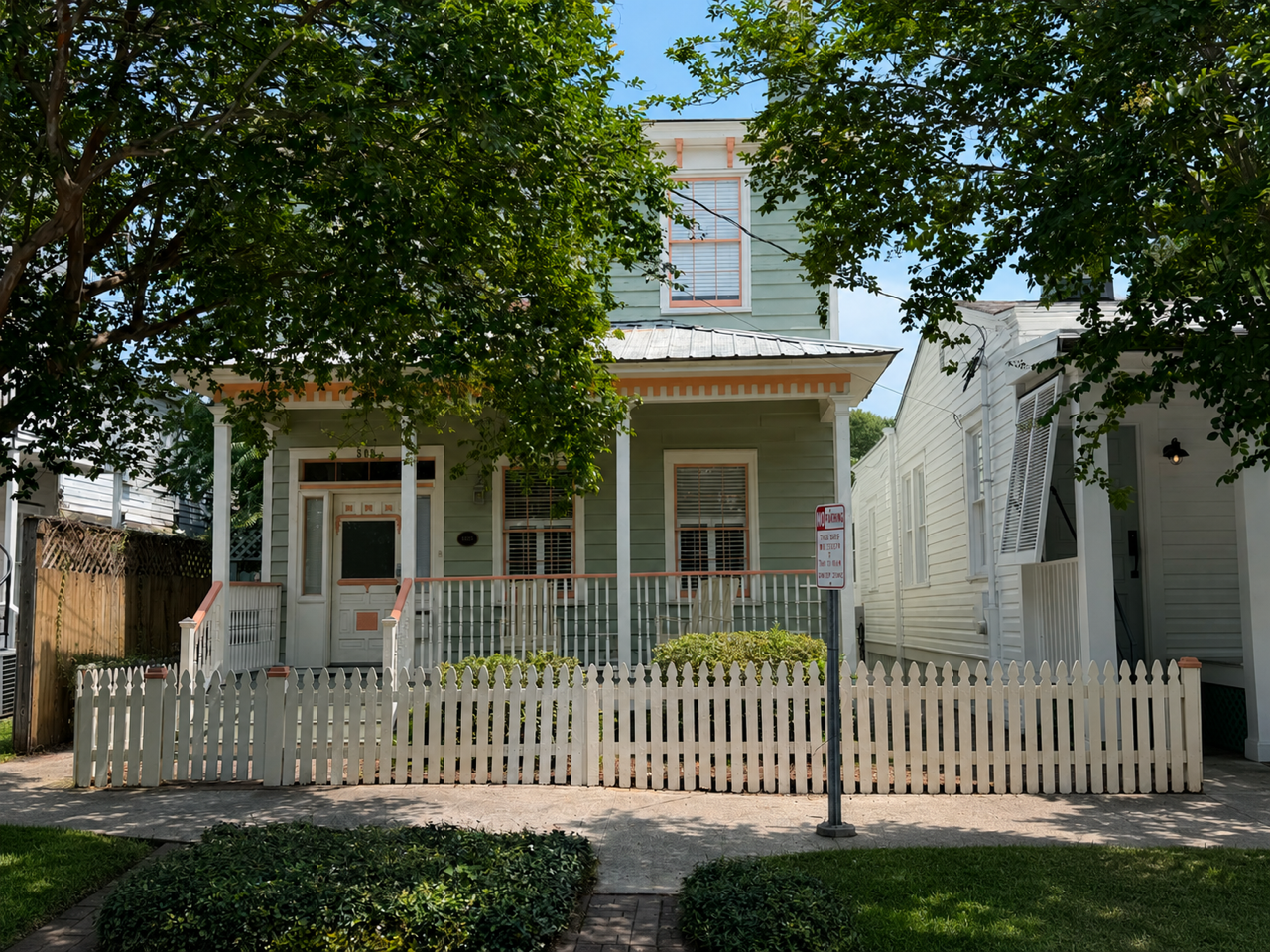
Location: 508 East Gordon Street
___
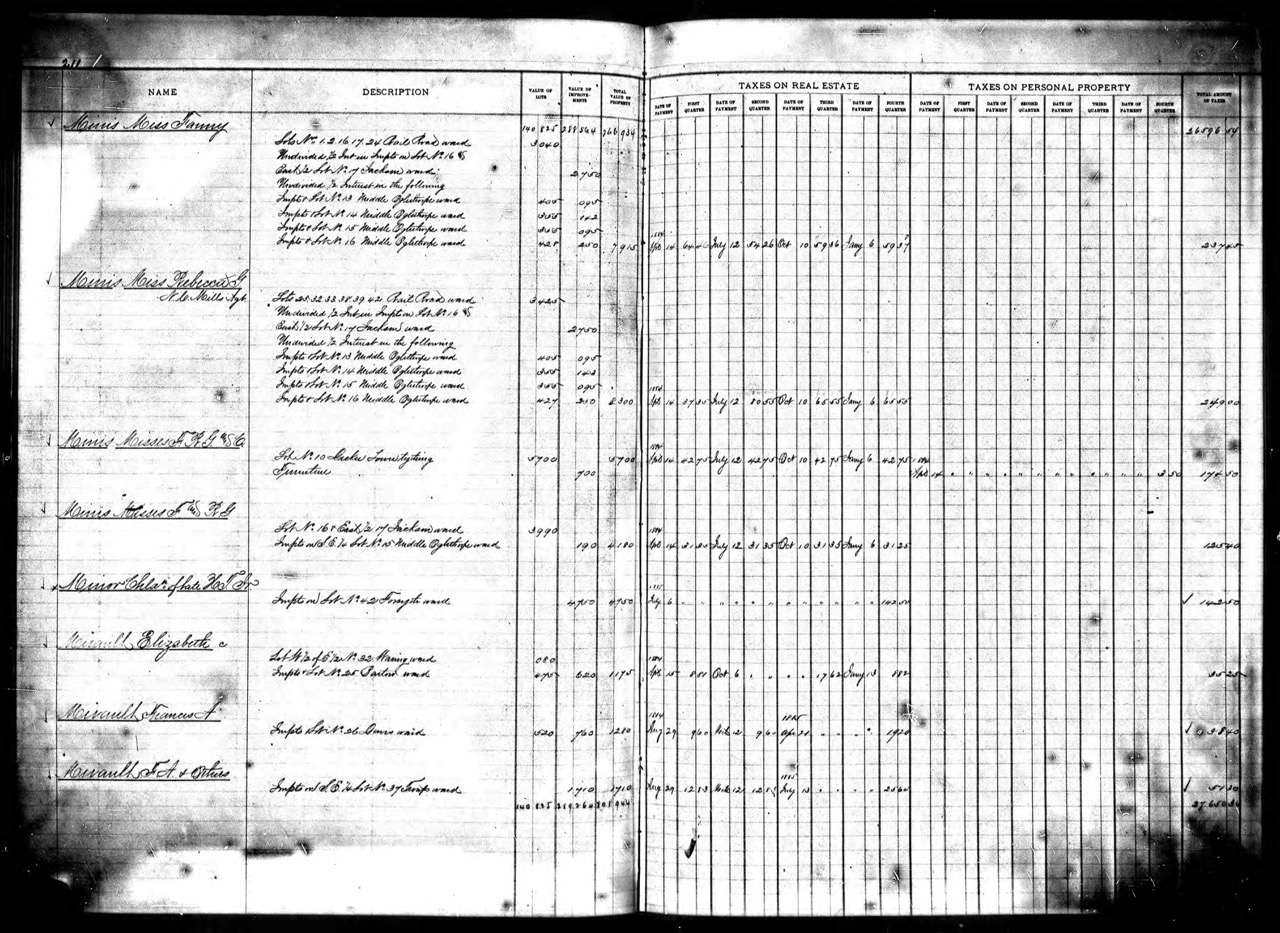
Francis A. Mirault was the son of Simon Mirault, baker and confectioner.
___
Sources
City of Savannah Municipal Archives / Chatham County Records. "Land Tax and Property Records, 1809–1938." [Francis A. Mirault] Tax Digests 1885-1886. [Lot 26, Davis Ward] Digital images, Ancestry.com. [1886]
City of Savannah Municipal Archives / Chatham County Records. "Land Tax and Property Records, 1809–1938." [Frances Mirault] Tax Digests 1883-1884. [Lot 26, Davis Ward] Digital images, Ancestry.com. [1884]
Hoskins, Charles Lwanga. W. W. Law and His People: A Timeline and Biographies. Savannah: Gullah Press, 2012, 27.
Lumpkin-White, Arva: Photograph credit
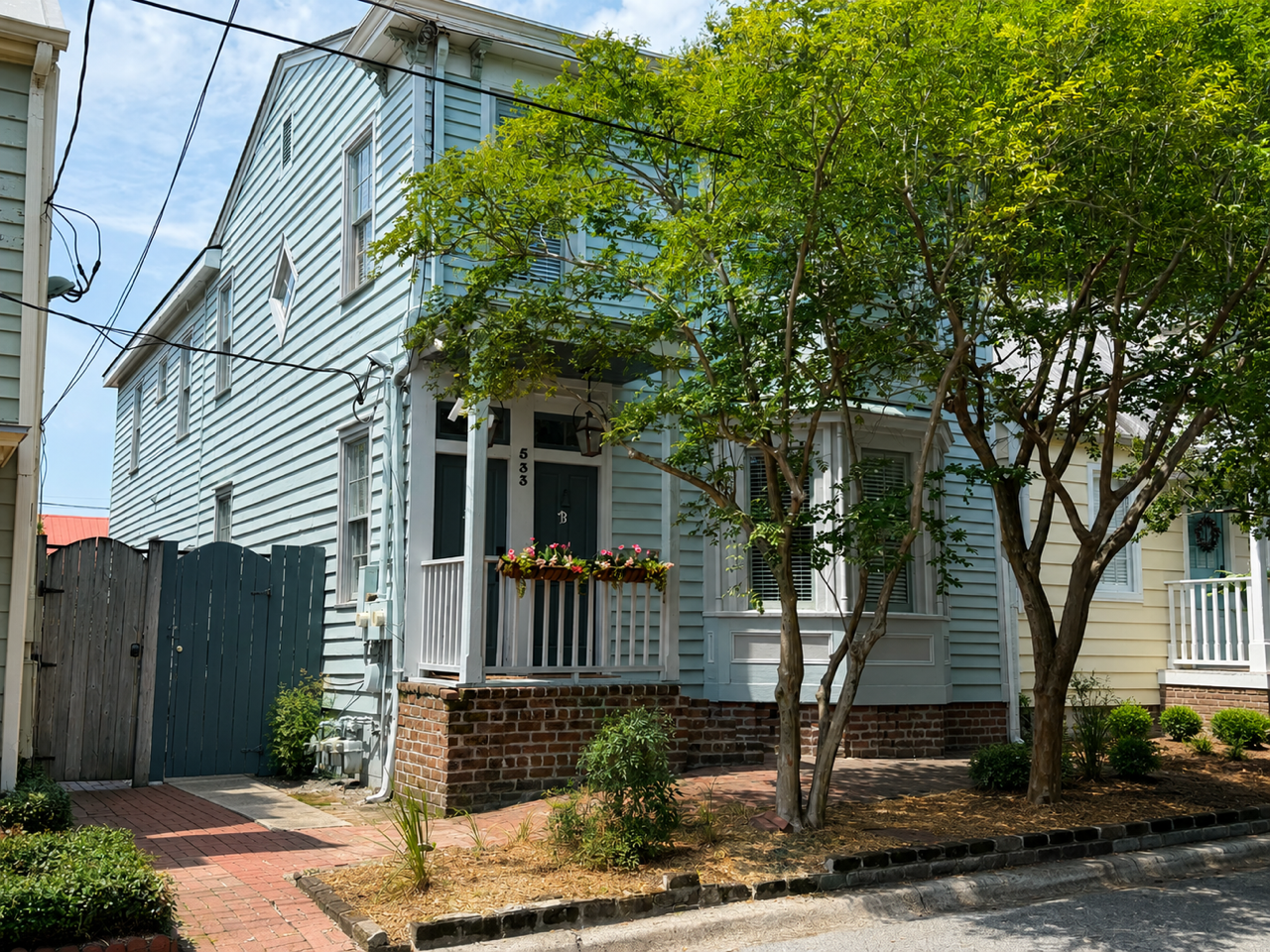
5Celia Anderson Home, 1889
Location: 533 East Taylor Street
___
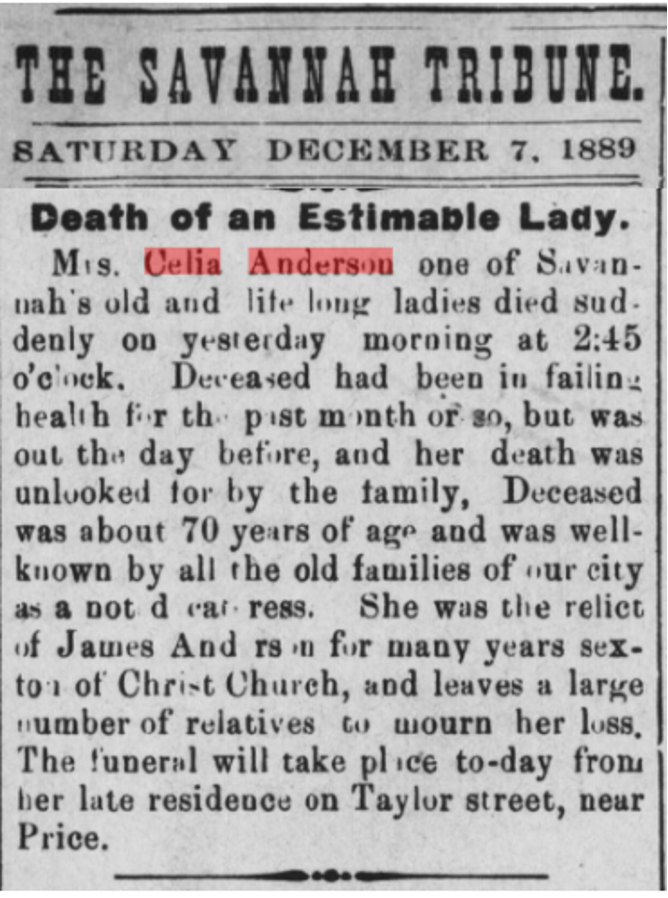
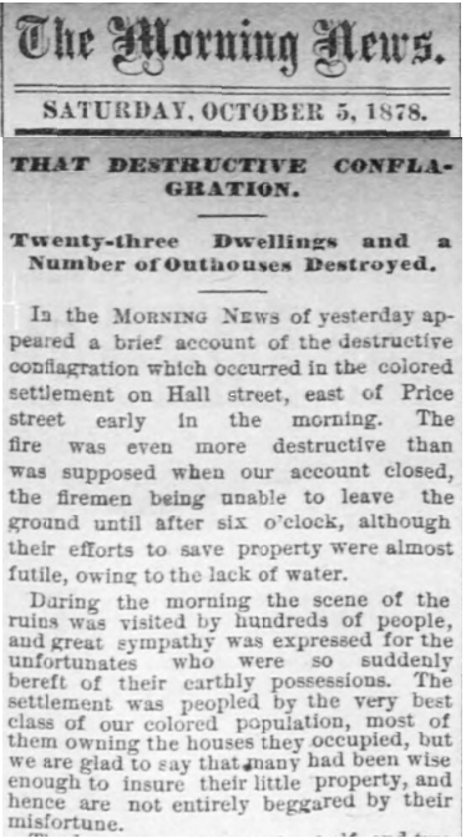
Celia Anderson was born in 1819 in Savannah. It is unclear if she was enslaved or a free person of color. There was no record found to confirm her status as a free woman, so she was likely born enslaved. She was married to James Anderson. She had both a catering and laundry business. She was known for her parties and events and had a clientele of Savannah's wealthier citizens. On October 5, 1878, a fire destroyed a substantial portion of the neighborhood, including their home.
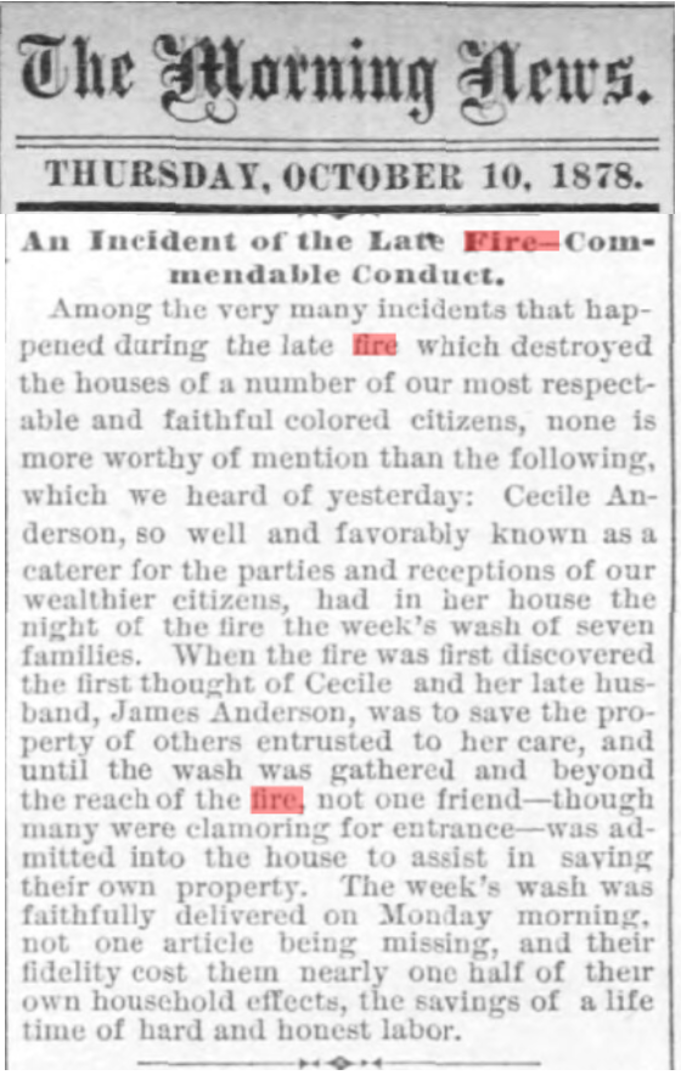
Mrs. Anderson was more concerned about her laundry client’s clothes and belongings than her own during the fire. On the night of the fire, she had the wash of seven families in her possession. Having her clientele first in mind, she made sure that all the wash was gathered and beyond the reach of the fire, so that she could “save the property of others entrusted to her care”. The couple was proud that when they returned the wash to their clients, “not one article being missing.” Their strong work ethic and fidelity cost them nearly half of their own household effects, “the savings of a lifetime of hard and honest labor.” She passed away at her Taylor Street residence in 1889.
*This home was also owned by free man of color, James T. Miller.
___
Sources:
Government Archive / Municipal Historic Records
City of Savannah Municipal Archives. "Historic Inventory Ward Notebooks." City of Savannah Historic Survey Records, Savannah, GA, 25
Hoskins, Charles Lwanga. Yet With a Steady Beat: Autobiographies of Early Black Savannah. Savannah: Gullah Press, 2001, 295.
Lumpkin-White, Arva: Photograph credit
Historical Newspaper Article
Savannah Tribune. April 17, 1878.
Historical Newspaper Article
Savannah Tribune. August 8, 1885.
Historical Newspaper Article
Savannah Tribune. December 7, 1889
Historical Newspaper Article
Savannah Morning News. October 5, 1878.
Historical Newspaper Article
Savannah Morning News. October 10, 1878.

6Duncan S. Scott, Sr. Home, 1871
Location:540-542 East Taylor Street 1871-1894
This property was an adjoining unit to Anthony Kirk Desverney's home
___
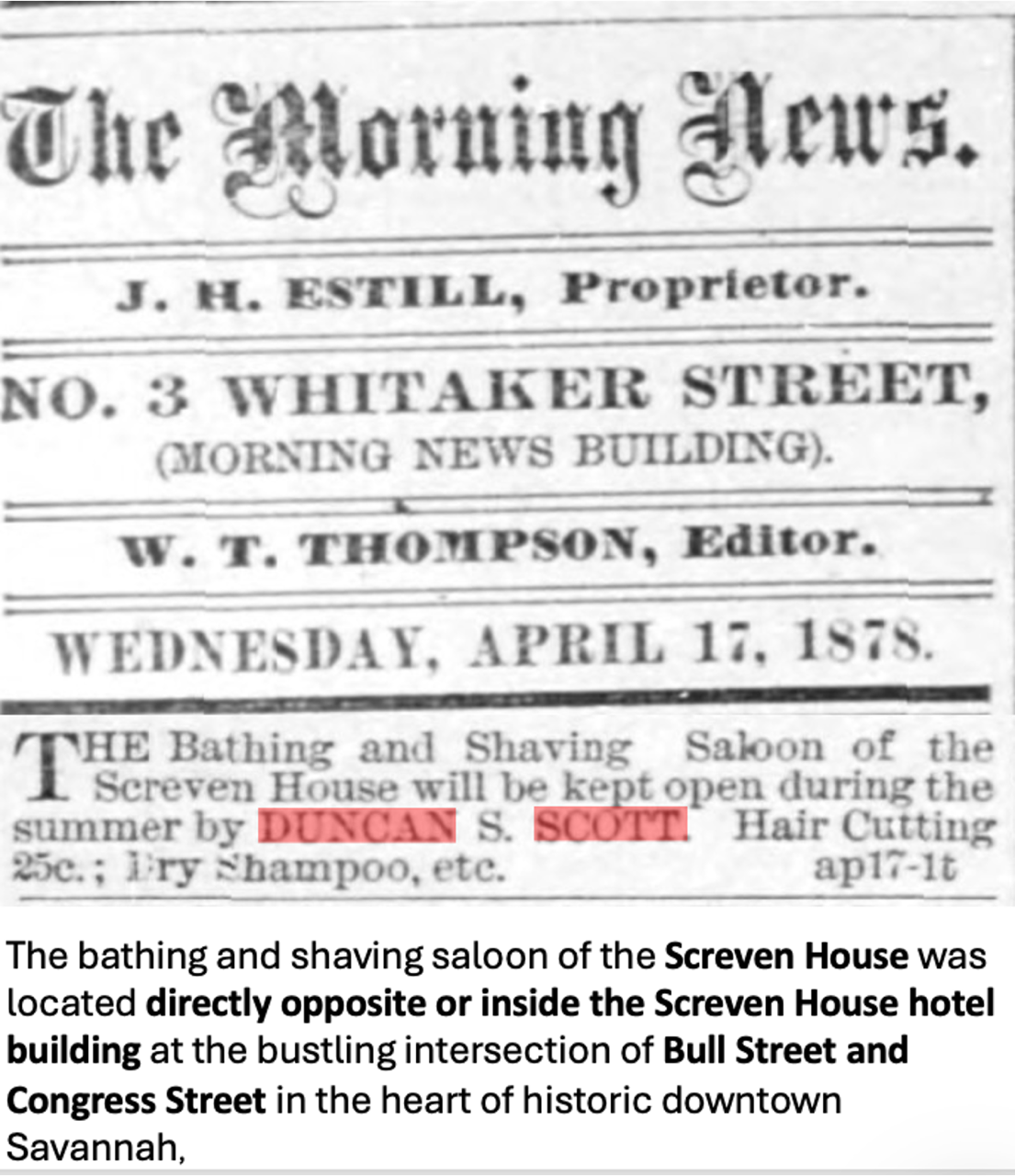
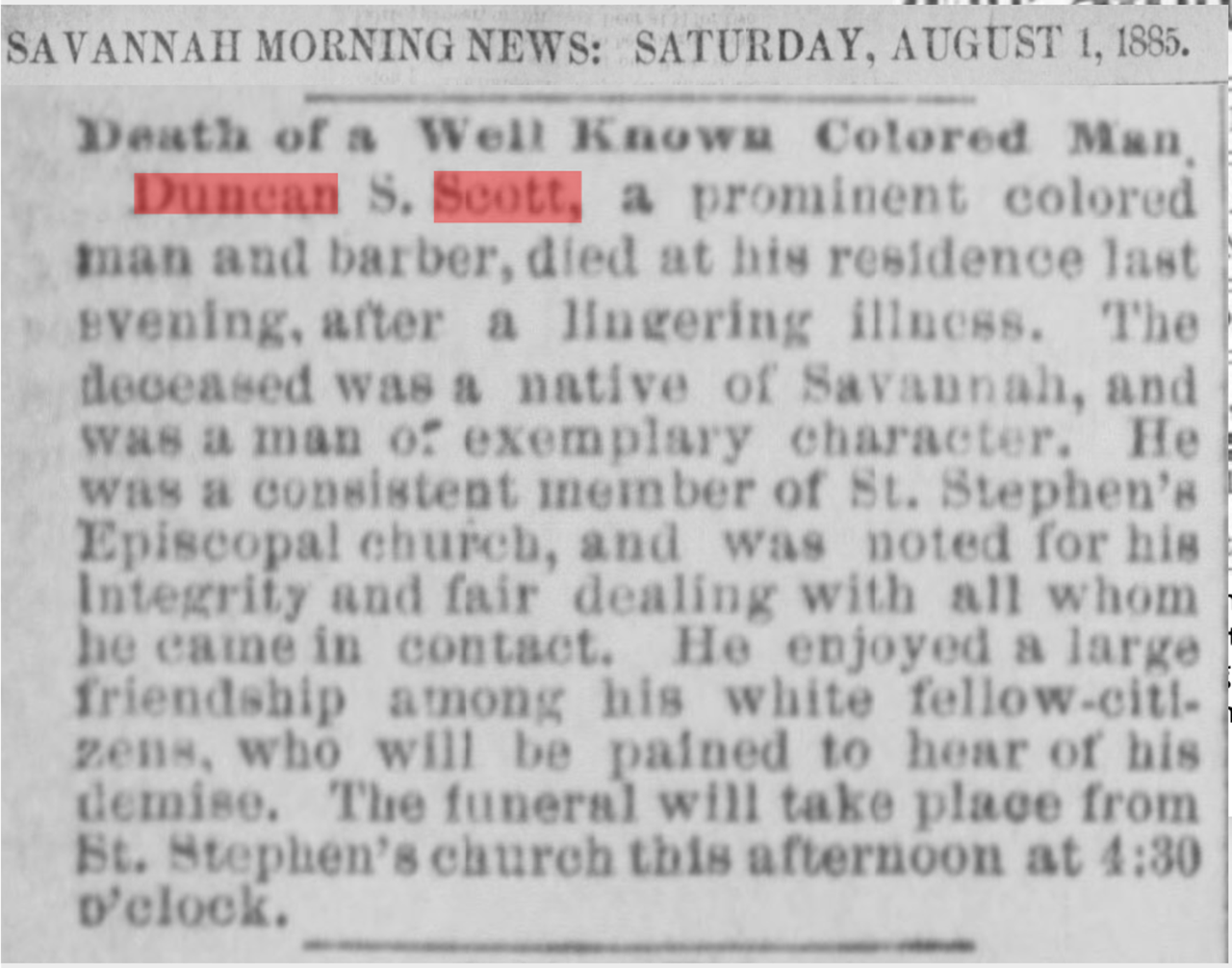
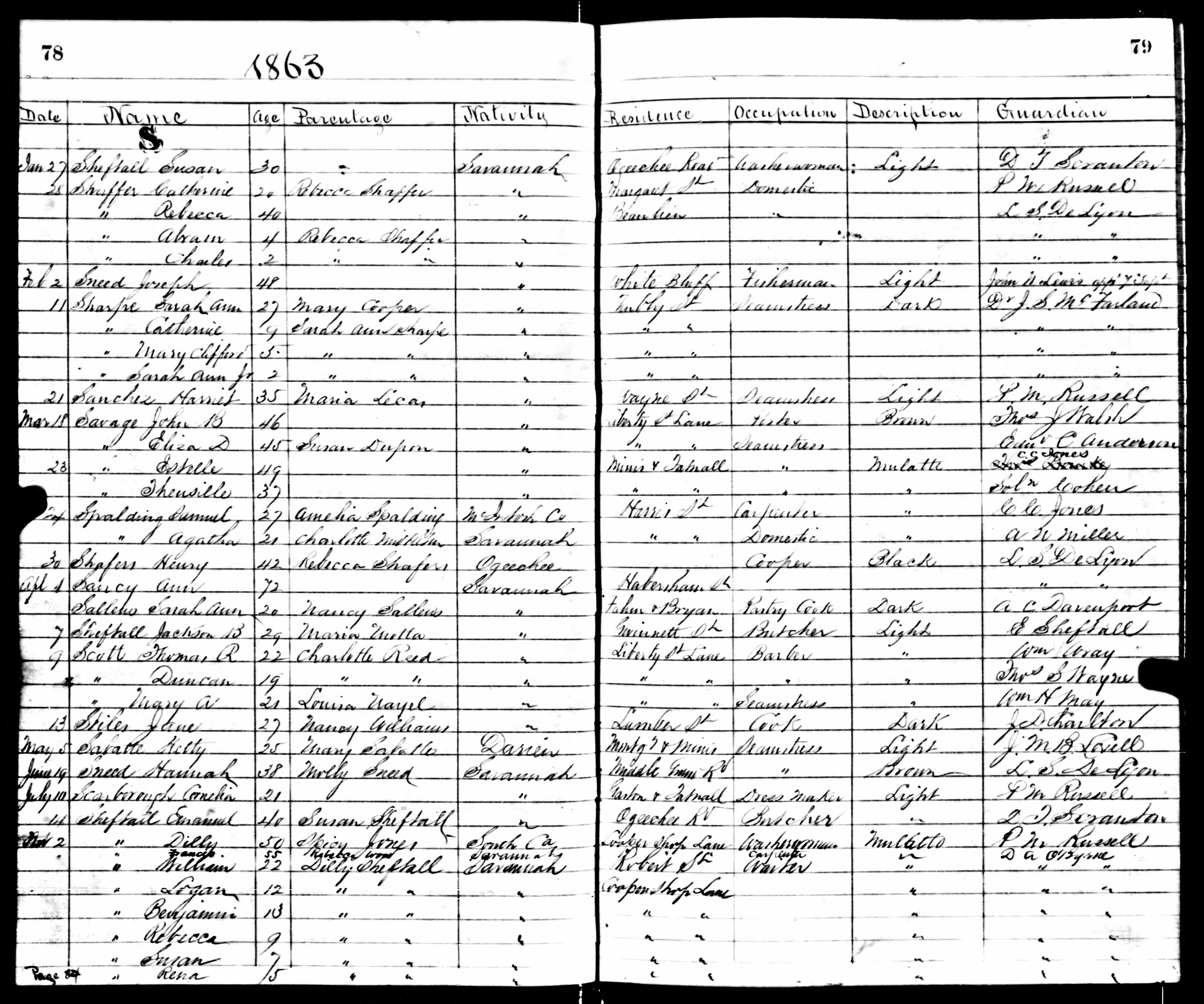
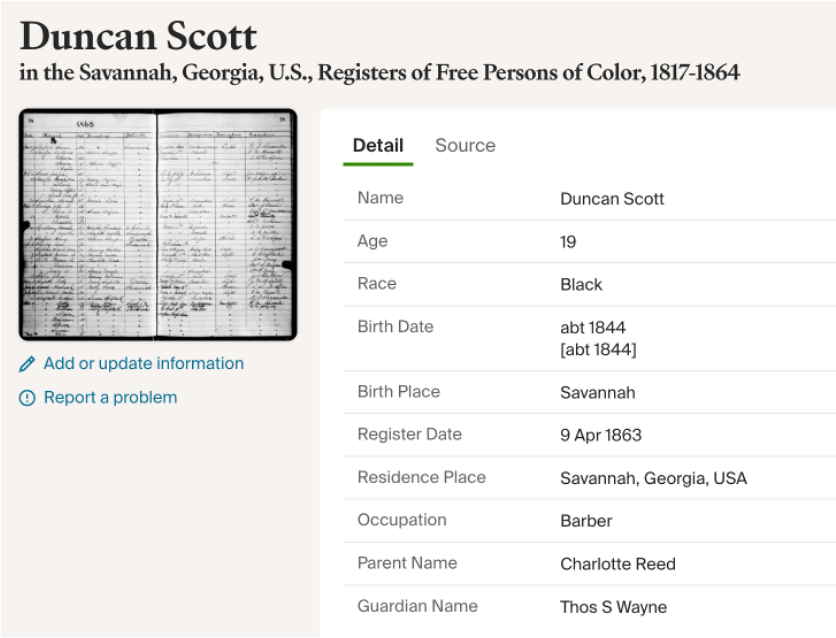
Duncan S. Scott Sr. was born about 1840 as a free man of color. He is listed in the 1860 census and U.S. Register of Free Persons of Color. He was married to Susie M. Scott and was a barber and private school teacher. He operated a barber shop at 8 Whitaker Street and also performed barber services at the Screven House Hotel at the corner of Bull and Congress Streets. He was active in the community as a member of the Grand Lodge of the Free and Accepted Masons and was a founding member of St. Stephen's Episcopal Church.
___
Sources:
City of Savannah Municipal Archives / Chatham County Records. Duncan Scott in Savannah, Georgia, U.S., Registers of Free Persons of Color, Volume 5, 1863-1864. Digital images, Ancestry.com
Hoskins, Charles Lwanga. Yet With a Steady Beat: Autobiographies of Early Black Savannah. Savannah: Gullah Press, 2001, 301–304.
Lumpkin-White, Arva: Photograph credit
Savannah Morning News. January 27, 1875.
Savannah Morning News. April 17, 1878.
Savannah Morning News. August 8, 1885.

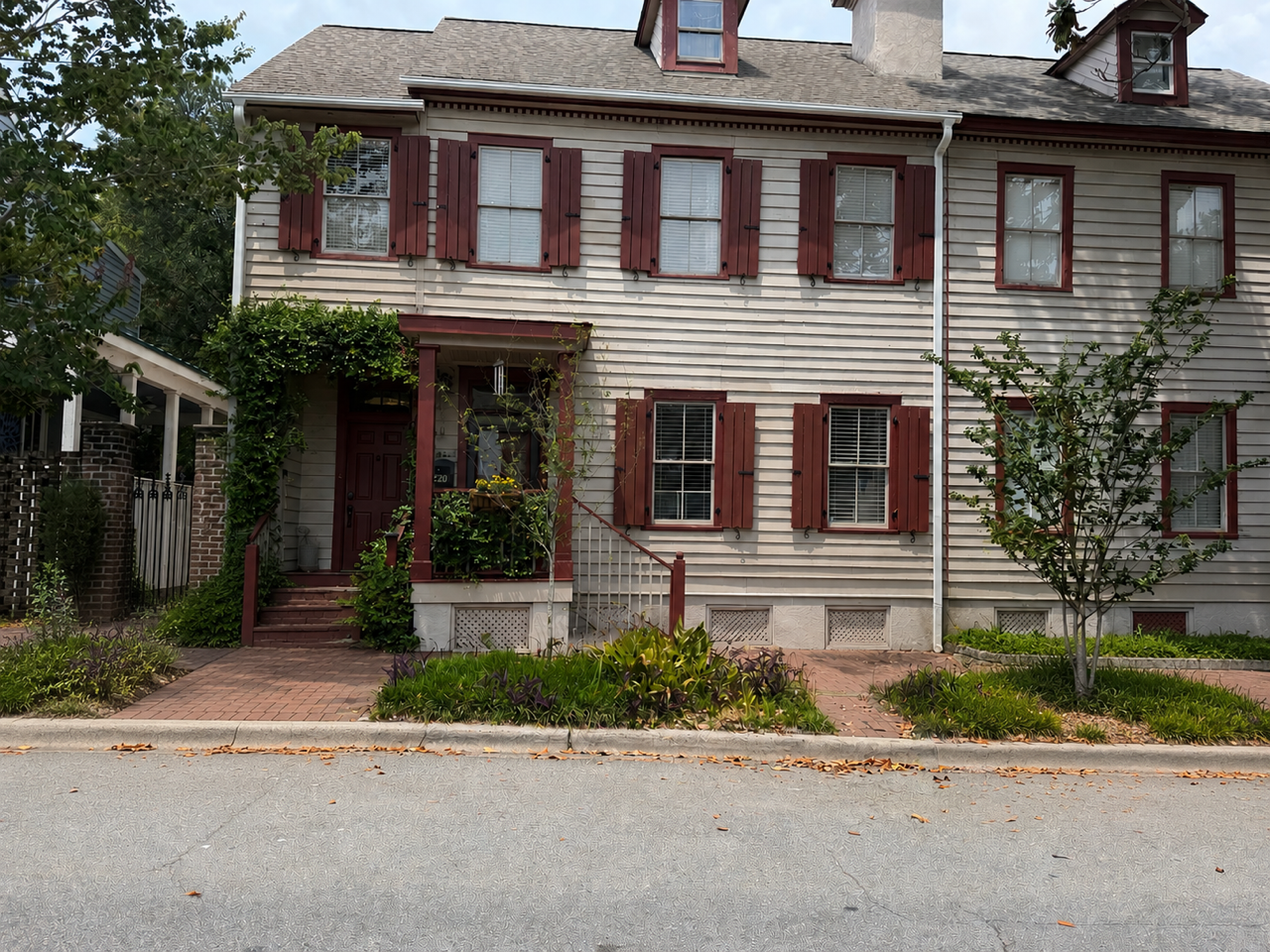
7Anthony Kirk Desverney Home, 1871
Location: 540-542 East Taylor Street
Listed with co-owners Robert Mason 1871 and Duncan S. Scott 1871.
___
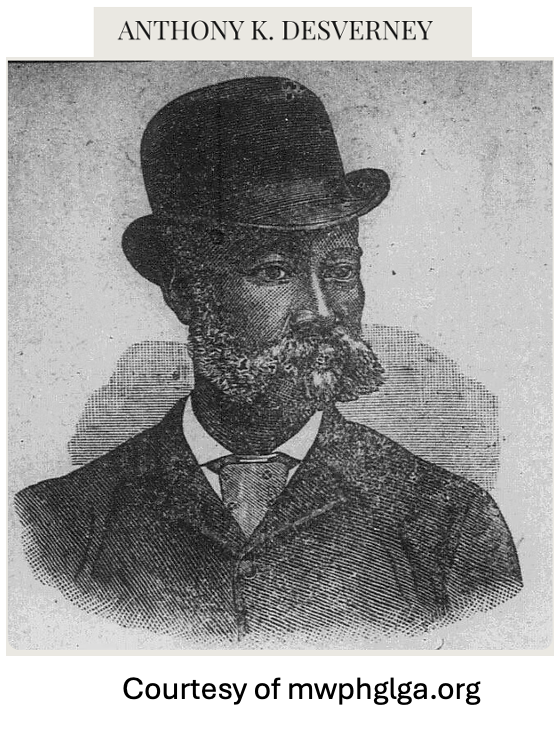
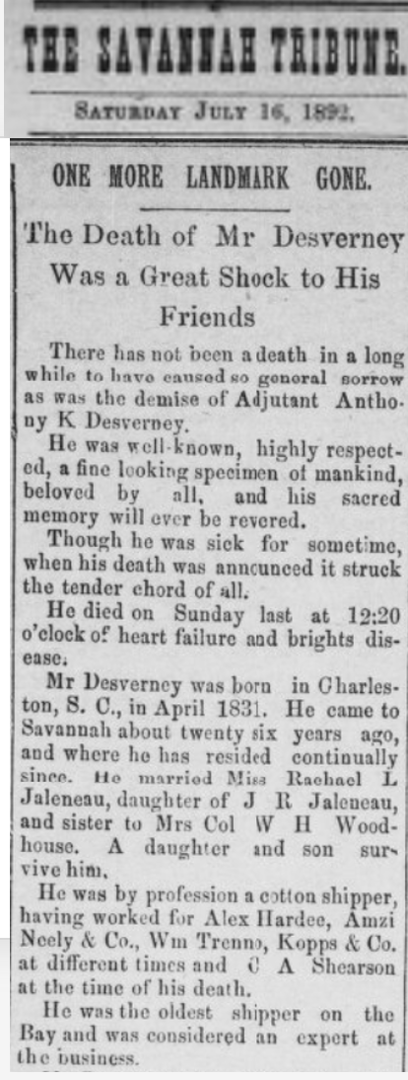
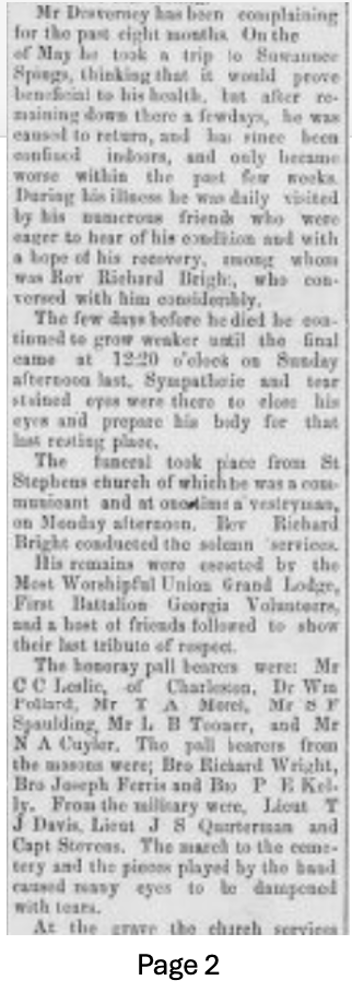
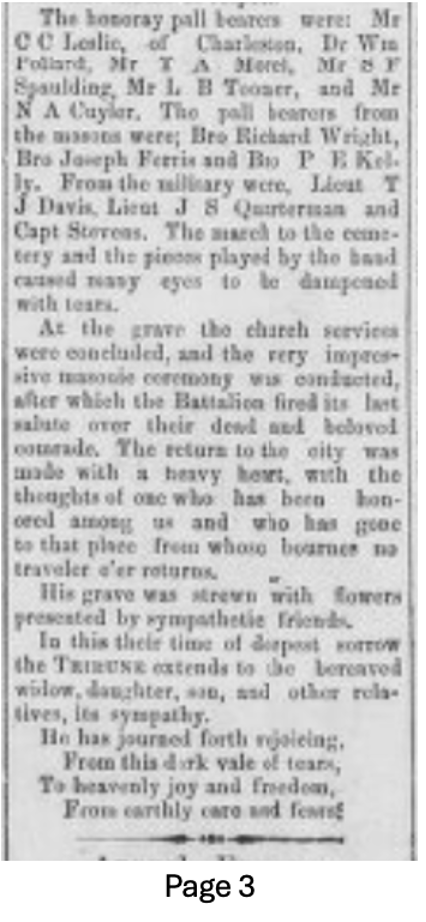
Anthony K. Desverney (also found in records as Desvernay) was born in Charleston, Edisto Island, South Carolina, in April 1831, although some contemporary sources, including the late historian Charles Elmore, give his birth date as December 11, 1830. He was the son of a French father and an African mother, belonging to the generation of free people of color who navigated the complex social and economic landscape of the Antebellum South.
Desverney relocated to Savannah during the mid-1860s, where he established himself as one of the city’s most respected cotton shippers. His cotton merchant business was located above the Savannah port and was adjacent to the Cotton Exchange. He married Rachel Jaleneau, daughter of J. R. Jaleneau and sister-in-law of Colonel William H. Woodhouse. Together they raised two children, Edward and Rachel.
Over the course of his career, Desverney worked with several prominent cotton firms, including Alex Hardee, Amzi Neely & Company, William Trennholm, and Kopp & Company. Through decades of experience on Savannah’s waterfront, he developed a reputation as one of the city’s foremost authorities on cotton shipping. At the time of his death in 1892, he was widely regarded as the oldest active cotton shipper on Bay Street and was recognized throughout the port community for his expertise in the trade.
Beyond his business pursuits, Desverney was deeply involved in Savannah’s civic, military, and fraternal institutions. He attained the rank of Adjutant in the First Battalion, Georgia Volunteers (Colored), one of the state’s most prominent African American military organizations during the Reconstruction era. His participation reflected the important role Black militia units played in Savannah’s public and political life during the late nineteenth century.
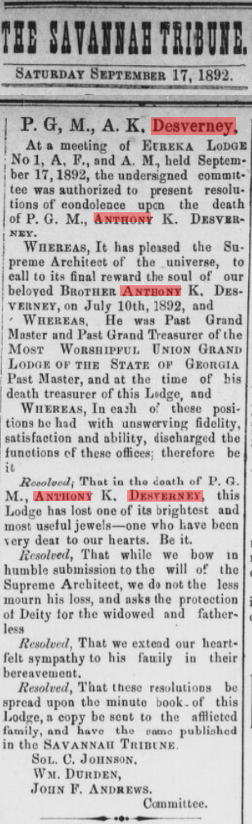
Desverney was also a leading figure in Prince Hall Freemasons in Georgia. He served as Past Grand Master of the Most Worshipful Grand Lodge, Free and Accepted Masons, and was the organization’s second Grand Treasurer. Within Eureka Lodge No. 1, he served as Past Master and later held offices as Treasurer and Secretary. His long service made him one of the most influential Masonic leaders among African Americans in Georgia during the nineteenth century.
His leadership extended into Savannah’s mutual aid and social organizations. At the time of his death, he was President of the Mutual Benevolent Society and a former president of the Social Club, both important institutions within Savannah’s Black community.
Contemporary accounts suggest that he was among the wealthiest African Americans in Savannah, having accumulated substantial standing through his business activities and community leadership.
His death in 1892 was widely noted throughout the city. The Savannah Tribune marked his passing with the words, “One more landmark gone,” a reflection of his prominence and longstanding presence in Savannah’s Black community. Funeral services were held at St. Stephen’s Episcopal Church and were conducted by the Reverend Richard Bright. At the cemetery, members of the First Battalion rendered a final military salute, honoring a man whose life had been closely intertwined with Savannah’s commercial, military, fraternal, and civic history for nearly three decades.
___
Sources:
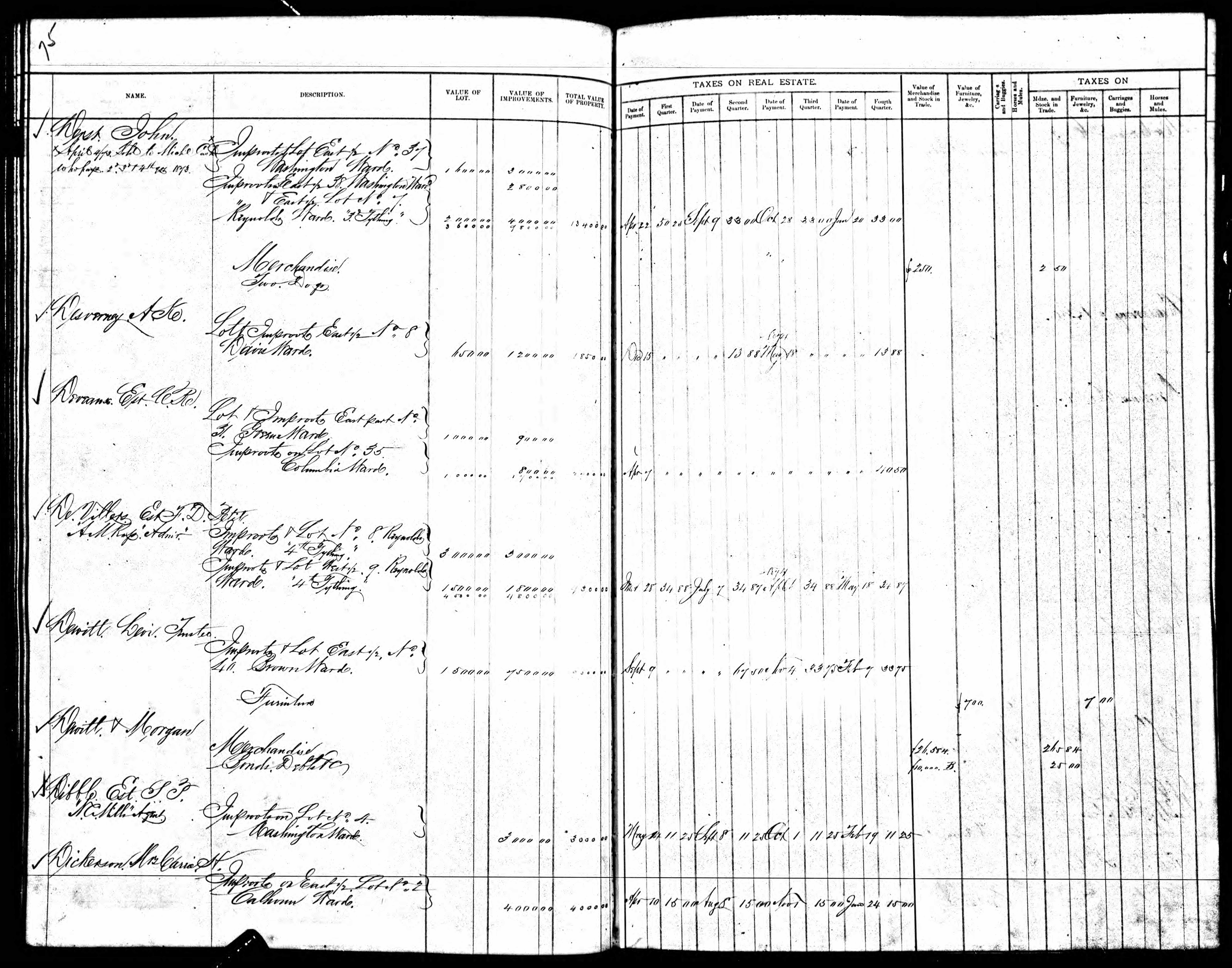
City of Savannah Municipal Archives / Chatham County Records. "Land Tax and Property Records, 1809–1938." [A.K. Desverney] Tax Digests 1873-1874. [Lot 8, DavisWard] Digital images, Ancestry.com. [1873]
Hoskins, Charles Lwanga. Yet With a Steady Beat: Autobiographies of Early Black Savannah. Savannah: Gullah Press, 2001, 295.
Lumpkin-White, Arva: Photograph credit
Savannah Tribune. "Local News and Notices [Desverney Estate]." September 17, 1892.

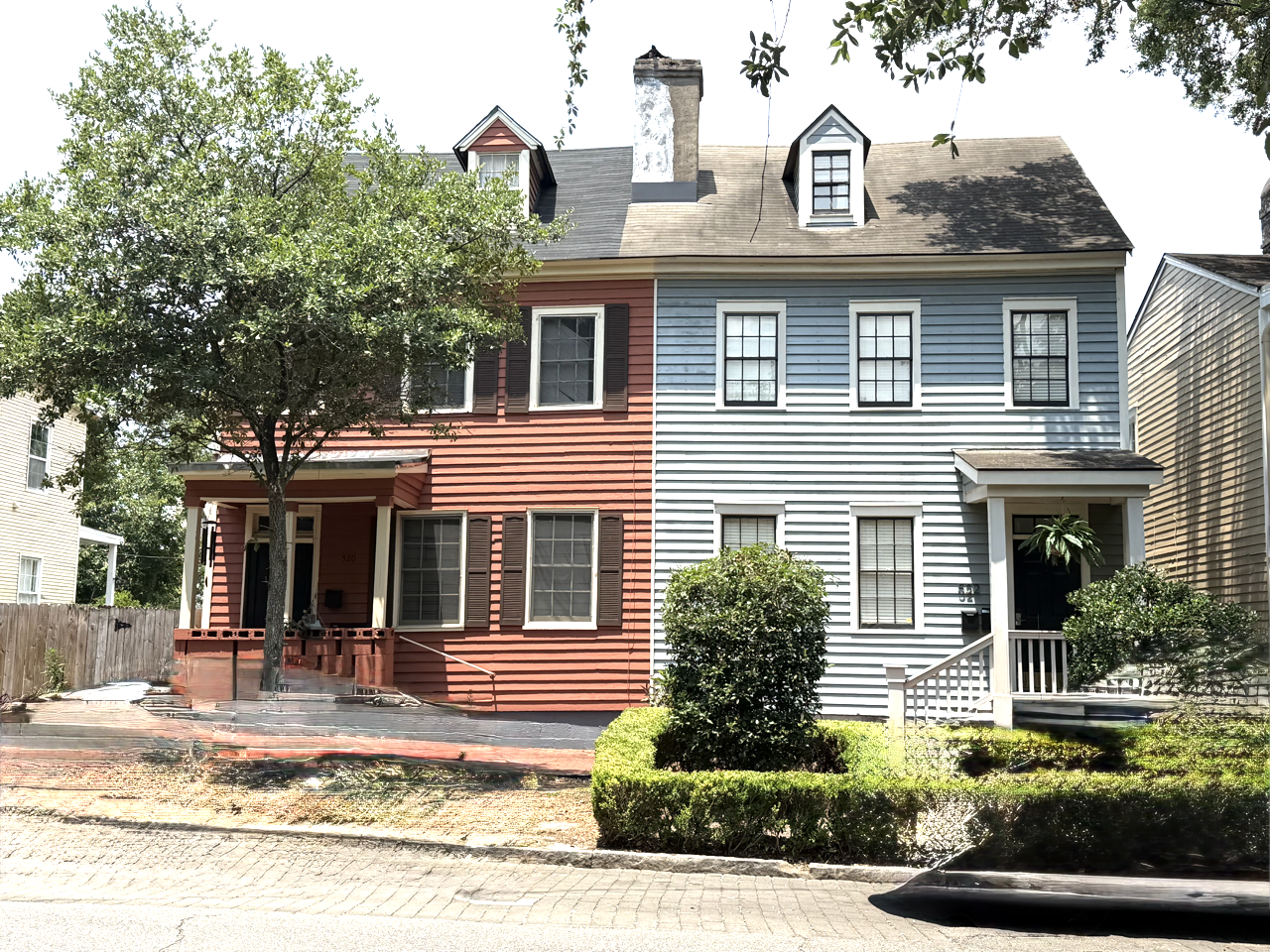
8Cyrus Campfield Home, 1867
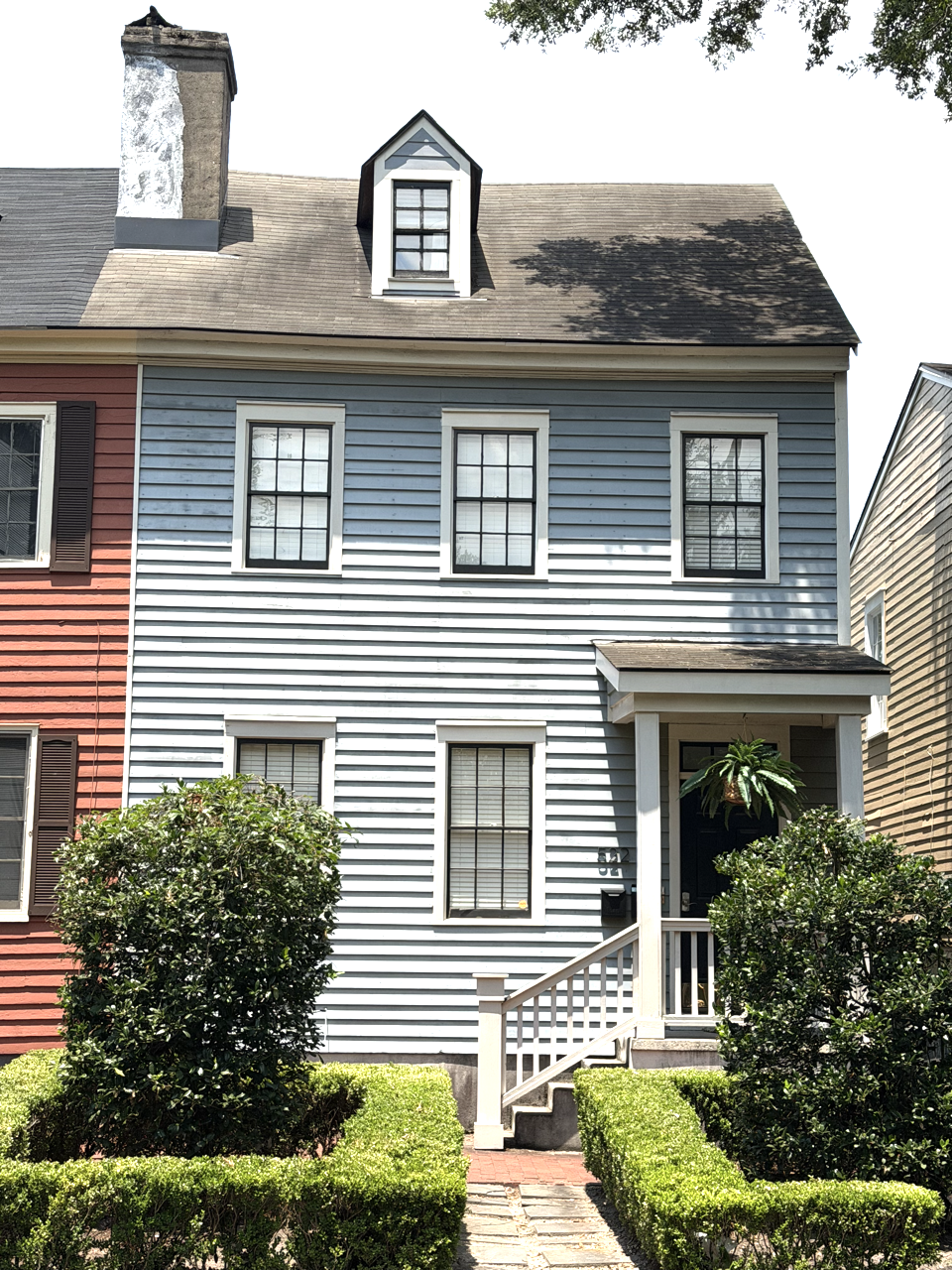
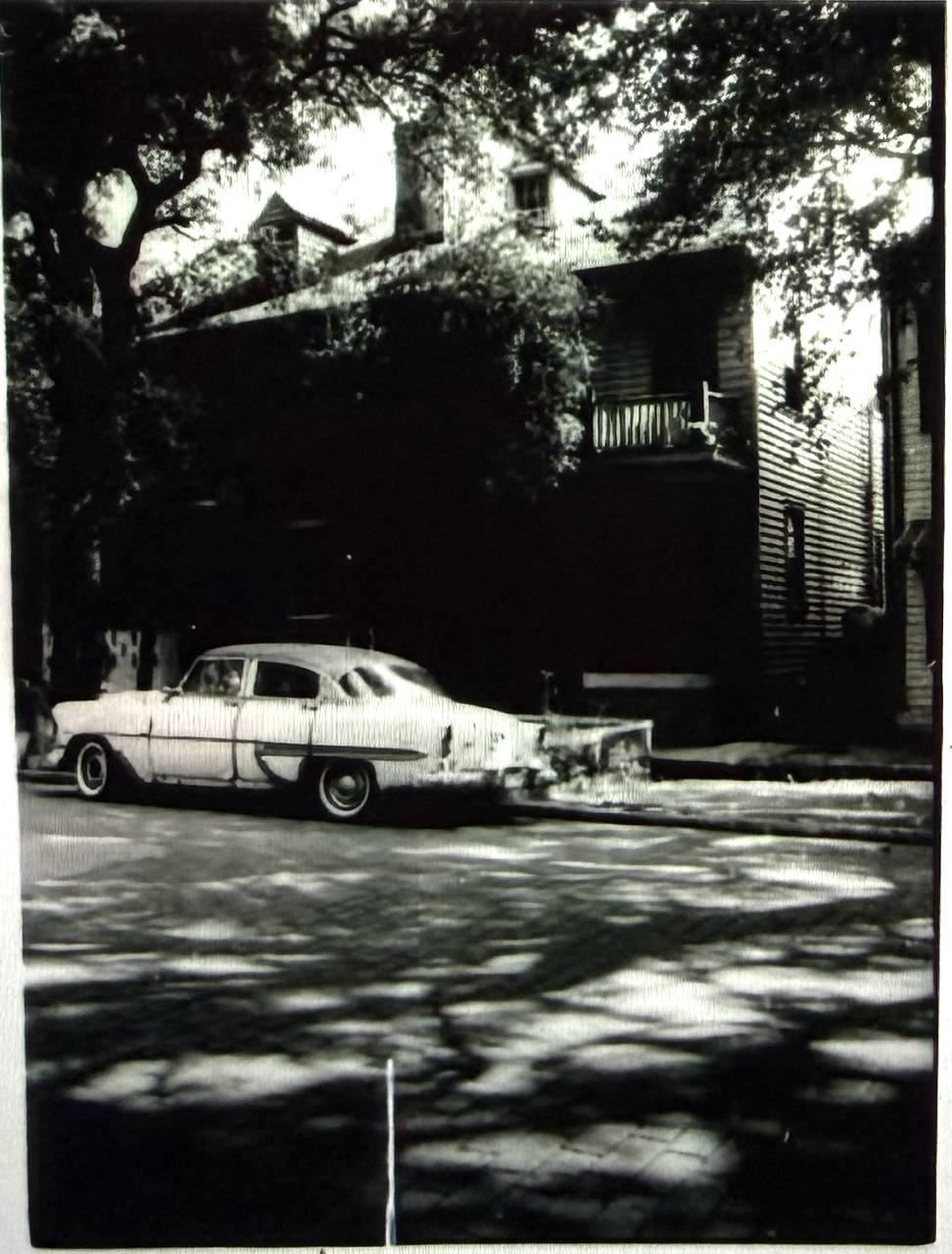
Location: 522 East Jones Street (blue house)
___
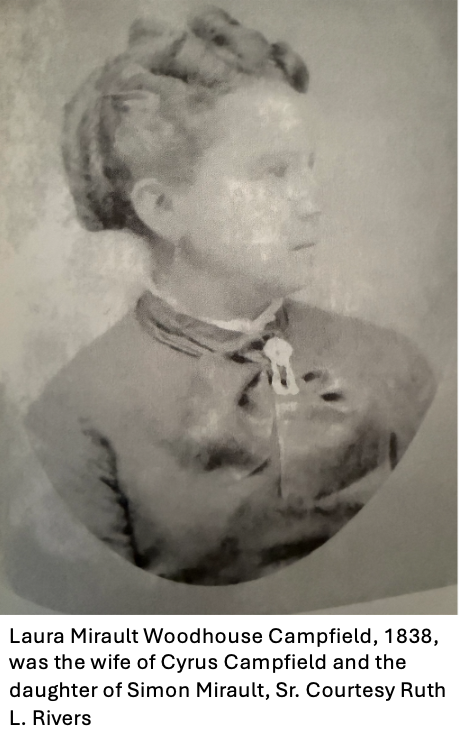
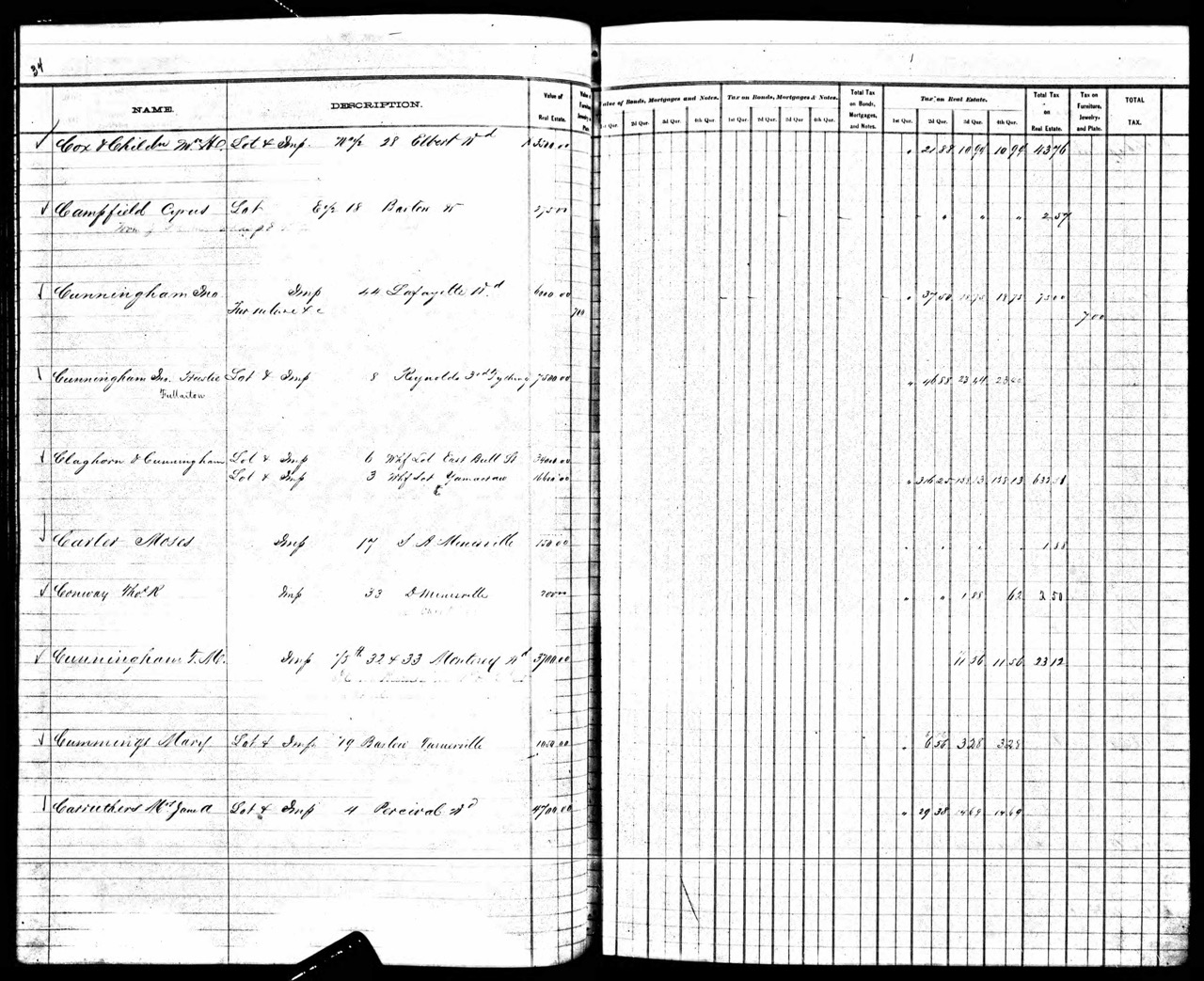
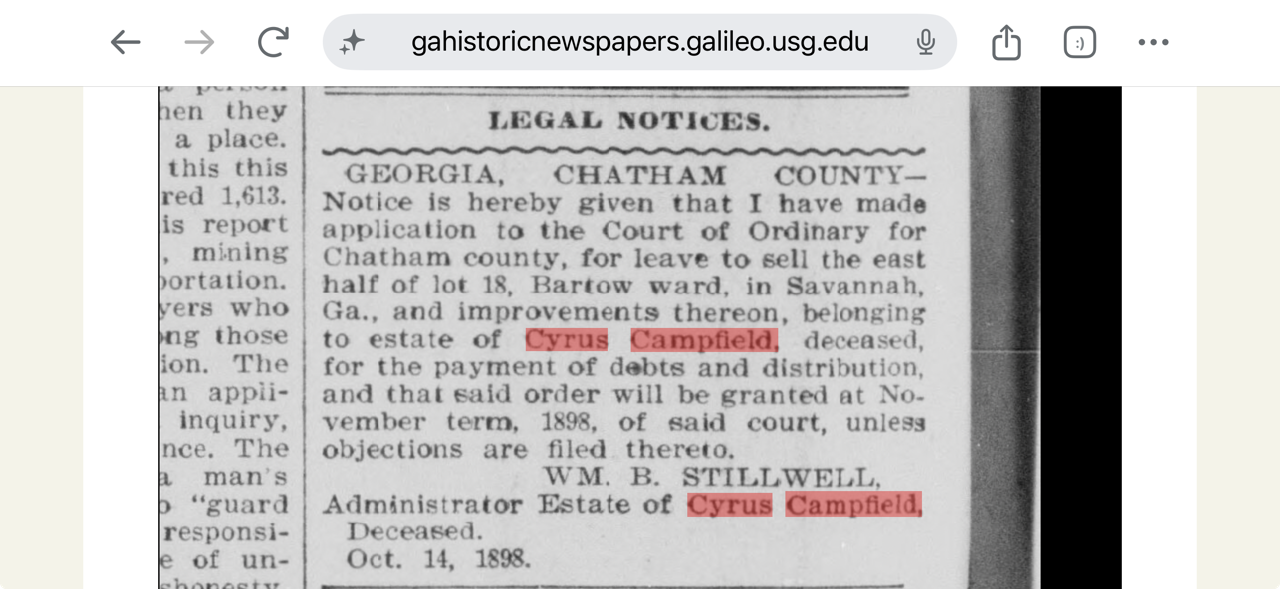
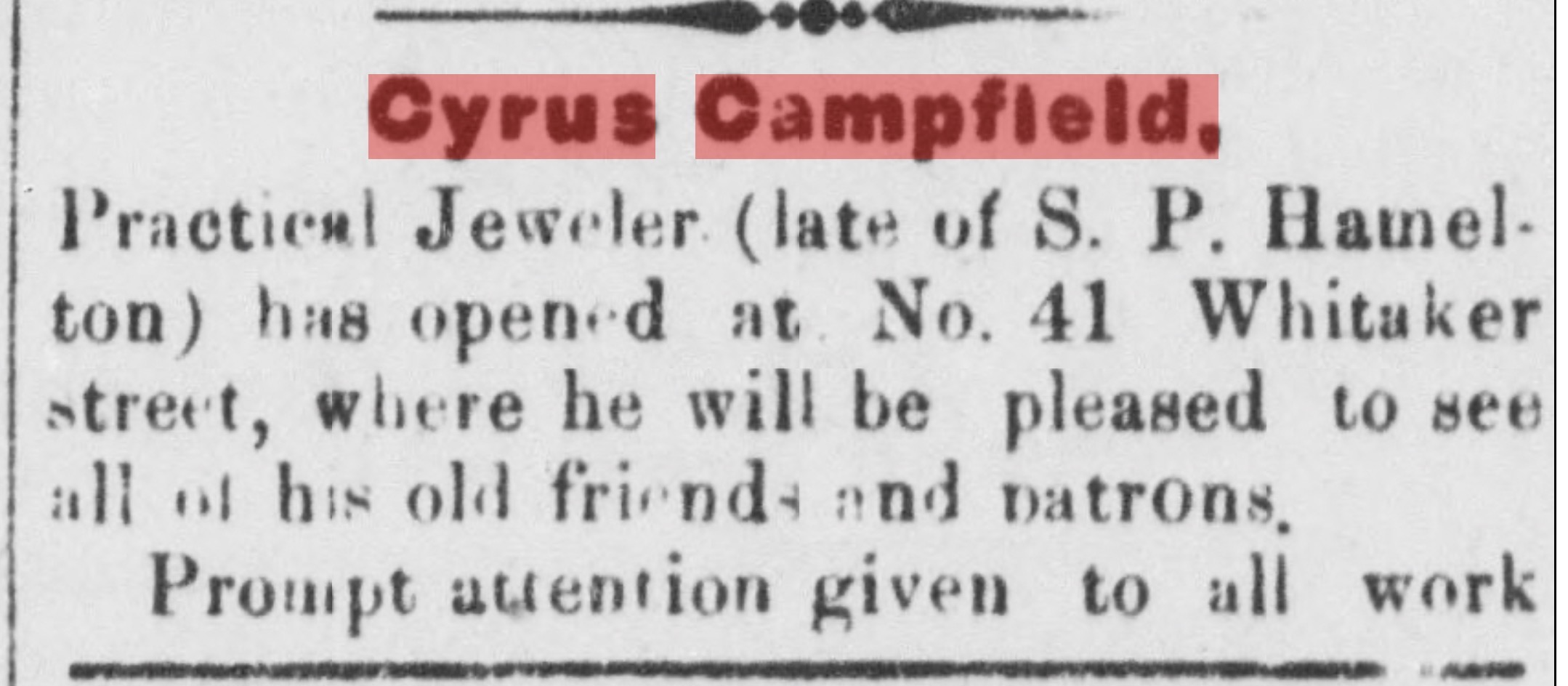
Cyrus Campfield purchased this home at 522 East Jones Street (1867), which still stands today. He was a practical jeweler and watchmaker whose business operated a jewelry shop at 41 Whitaker Street.
Campfield was also a frequent advertiser in the local newspaper. He was active in the community and was a voting delegate representing St. Stephen's parish in the Diocesan Convention.
___
Sources:
City of Savannah Municipal Archives / Chatham County Records. "Land Tax and Property Records, 1809–1938." [Cyrus Campfield] Tax Digests 1864-1867. [Lot 18, Bartow Ward] Digital images, Ancestry.com. [1867]
City of Savannah Municipal Archives. Historical photograph credit. Courtesy of the City of Savannah Municipal Archives, Savannah, GA.
Hoskins, Charles Lwanga. Yet With a Steady Beat: Autobiographies of Early Black Savannah. Savannah: Gullah Press, 2001, 304.
Lumpkin-White, Arva. Photographic credit: others as noted
9Robert Low Homes, 1867
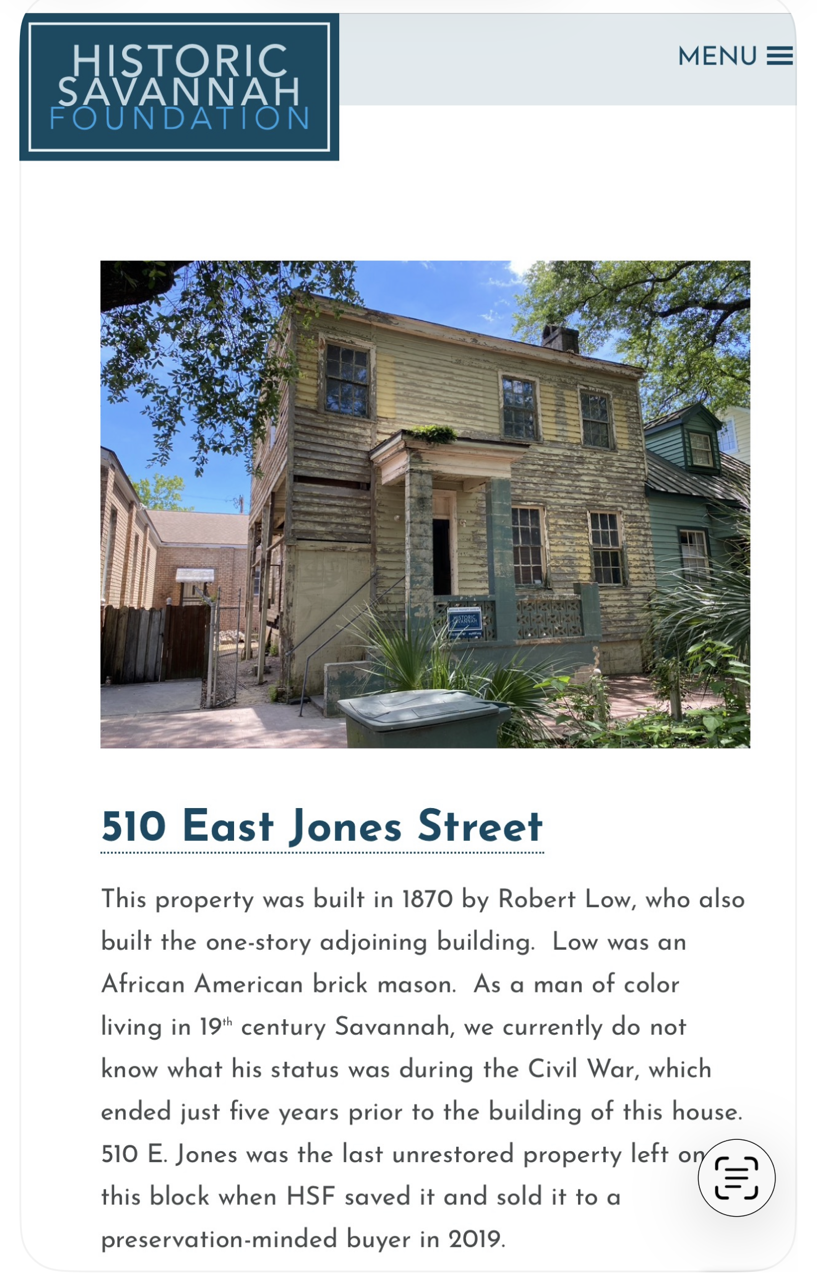
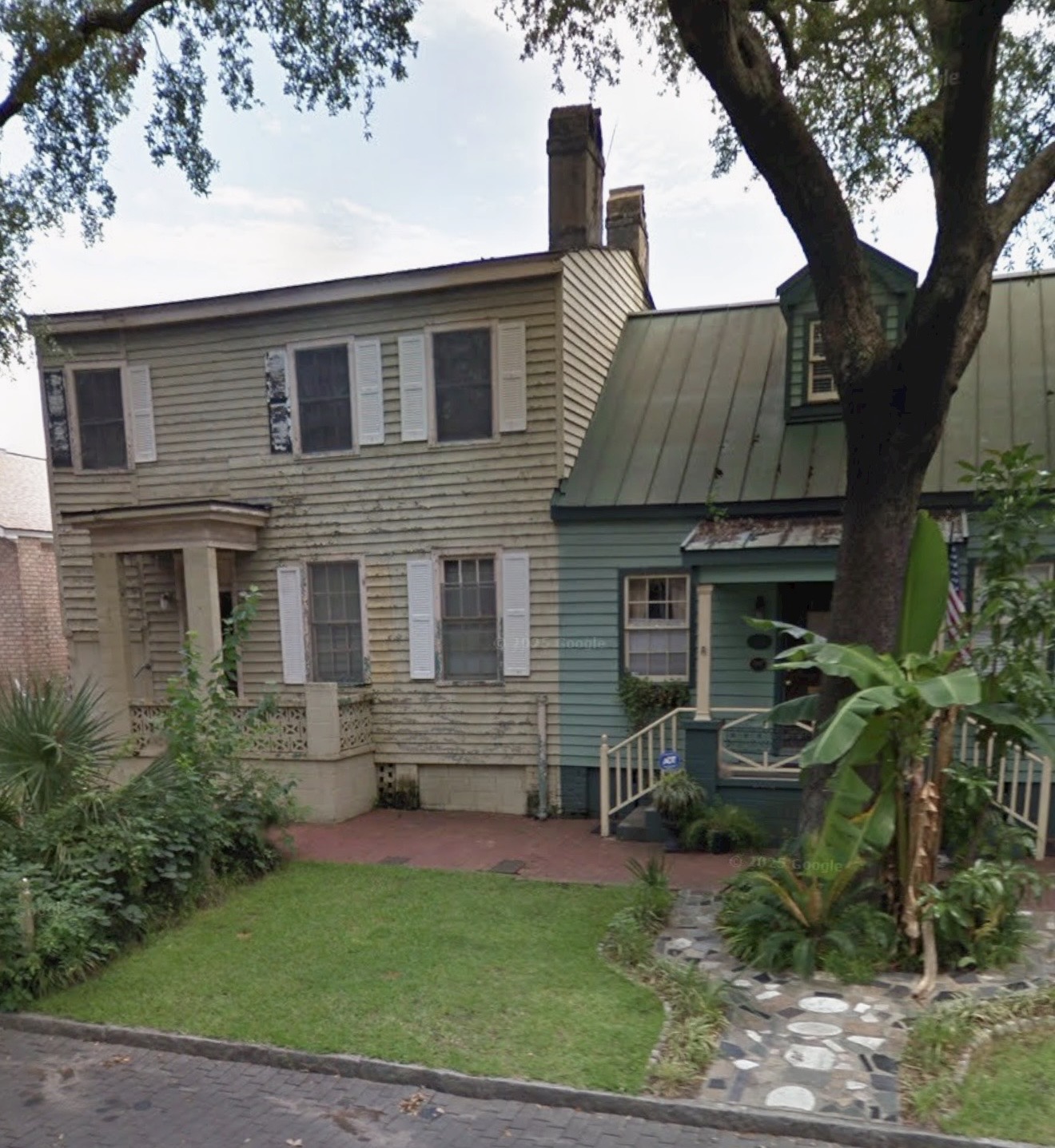
Location: 510-512 East Jones Street
___
Little is known about Robert Low except that he was a Savannah brick mason. As a brick mason, he demonstrated civic responsibility by volunteering with other free men of color to build Savannah’s defenses and Fort Pulaski, an effort recognized by the Daily Morning News in July 1861.
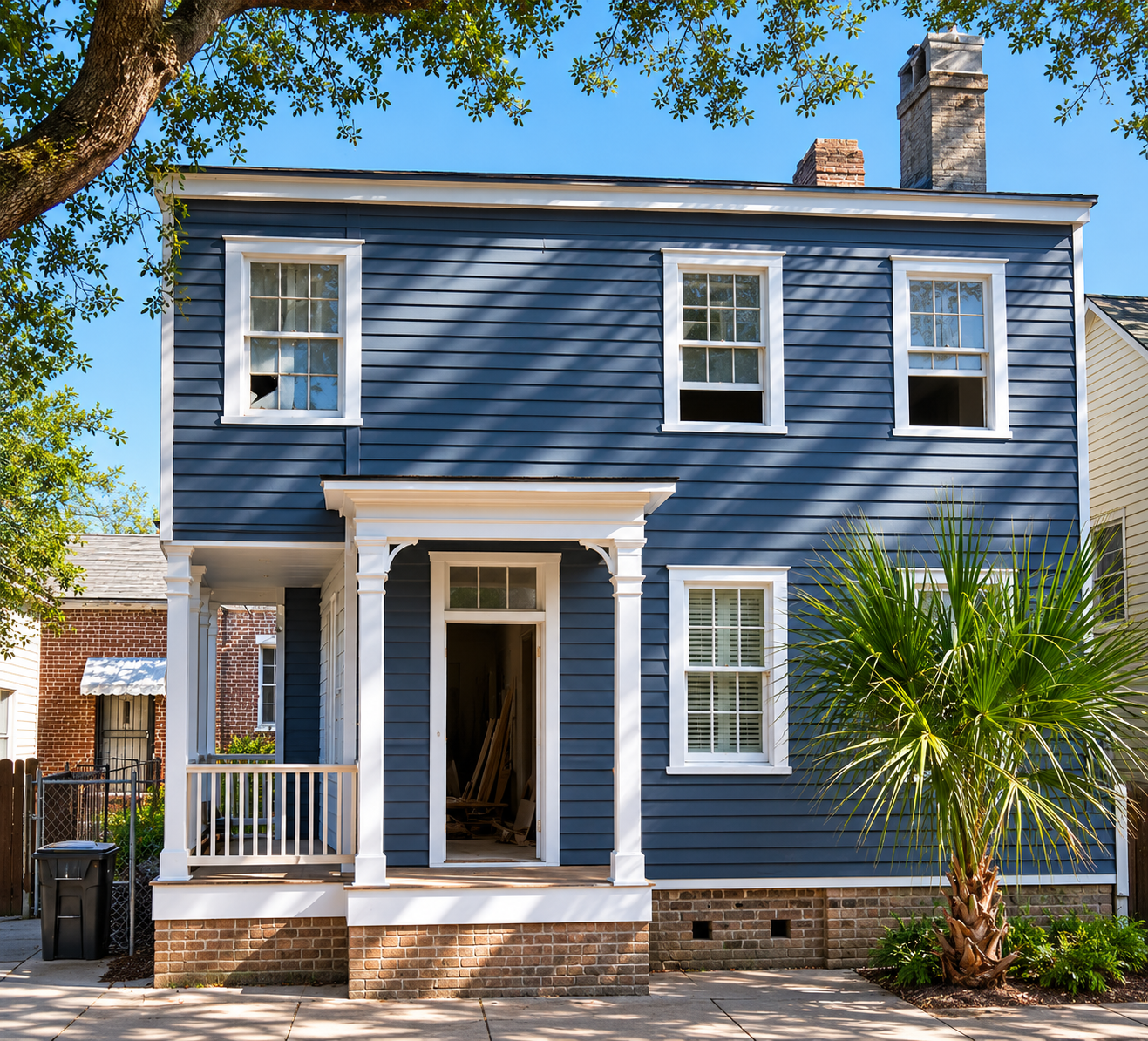
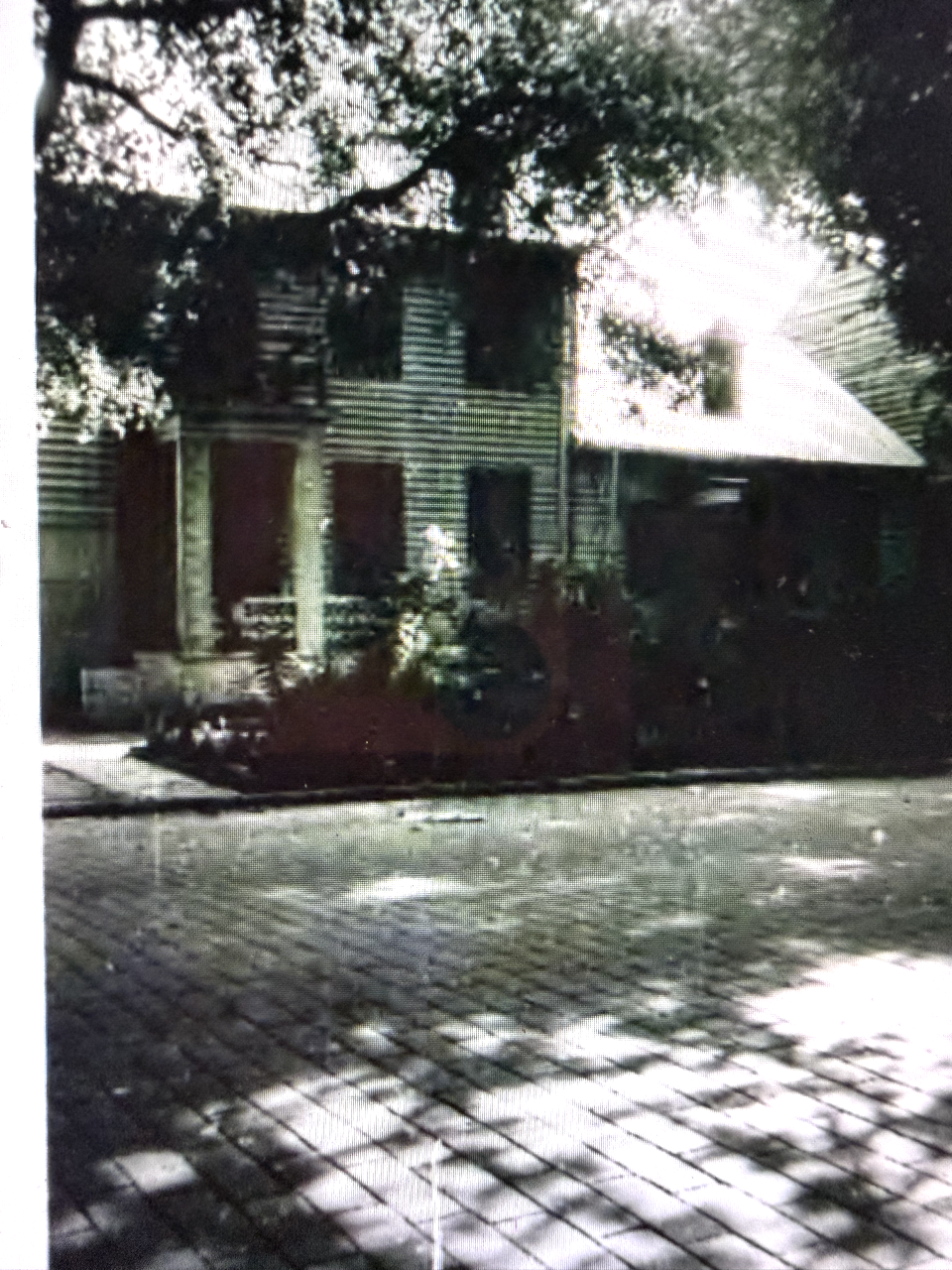
His houses at 510 and 512 East Jones Street tell a Reconstruction story in brick, wood, taxes, and title records. In 1867, only two years after emancipation. The city’s Bartow Ward inventory provides a more precise property chain. In 1867, Robert Low constructed the first of the two homes at 512 East Jones Street. Also in 1867, James F. Cann sold Robert Low the lot at 510 Jones Street for $500. He did not, however, construct a home on the lot until about 1871.
The Historic Savannah Foundation saved 510 East Jones through its revolving fund; it had been vacant for about ten years and was described as the last unrestored property on that block. The houses were sold to a preservation-minded buyer in 2019. The surviving buildings are therefore not only architectural fabric; they are evidence of Black skilled labor, land acquisition, household stability, and property transmission in postwar Savannah.
Robert Low also owned a 1/2 lot partnership with Albert Jackson in Bartow Ward, in the 500 block on East Charlton Street. Albert Jackson was his brother-in-law. Jackson married Jeannette Bullock in 1869. Jeannette Bullock Jackson was the half-sister of Robert Low's wife. His will left surviving heirs, according to a 1912 Savannah Tribune Legal notice, as Rosa Low Clark and Philip A. Low.
___
Sources:
City of Savannah Municipal Archives / Chatham County Records. "Land Tax and Property Records, 1809–1938 [Robert Low] Tax Digests 1873-1874. [Lot 20, Bartow Ward] Digital images, Ancestry.com. [1873]
City of Savannah Municipal Archives. Historical photograph credit. Courtesy of the City of Savannah Municipal Archives, Savannah, GA.
Historic Savannah Foundation. Historical photograph credit. Courtesy of the Historic Savannah Foundation, Savannah, GA.
Hoskins, Charles Lwanga. Yet With a Steady Beat: Autobiographies of Early Black Savannah. Savannah: Gullah Press, 2001, 14.
Lumpkin-White, Arva. Photographic credit: others as noted
Savannah Morning News "Proposed Construction, 510–512 E. Jones Street." April 2, 1894


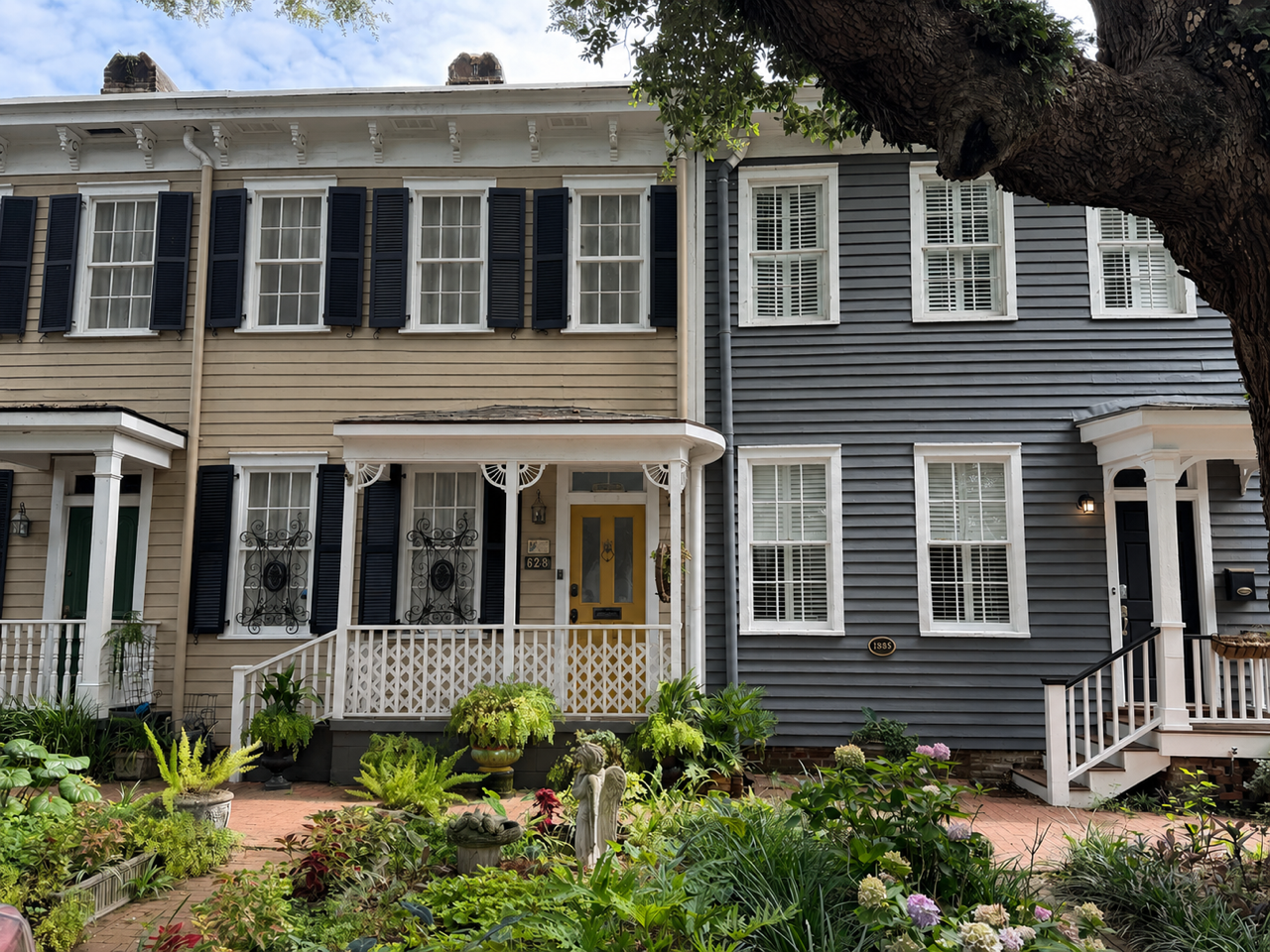
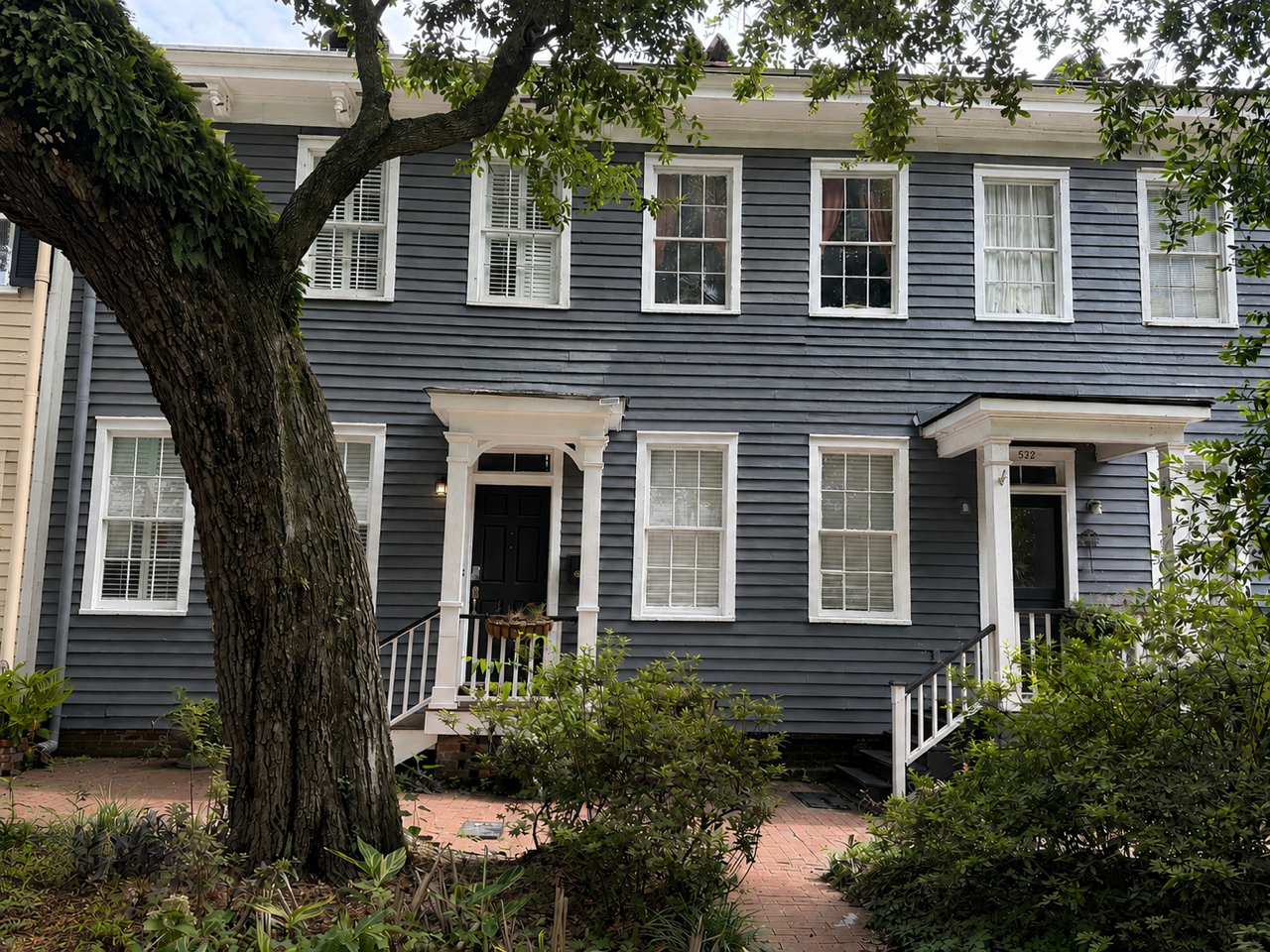
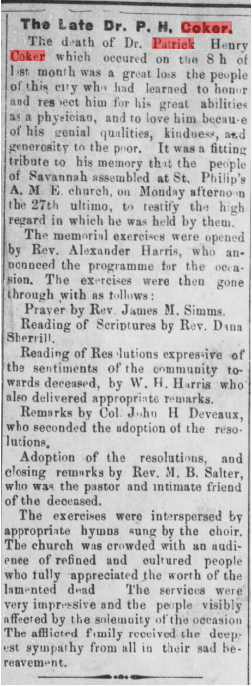
10Dr. Patrick Coker Properties
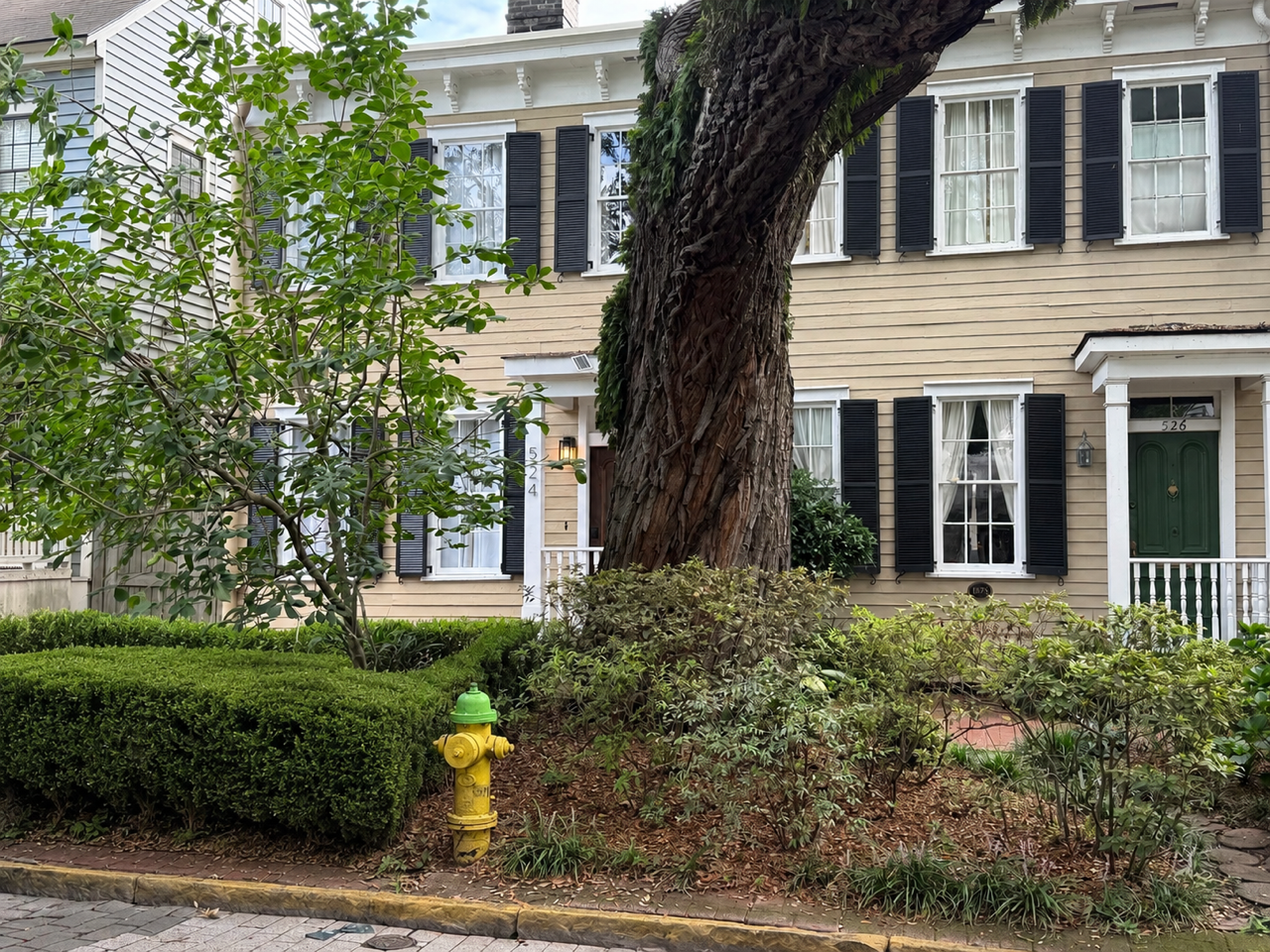
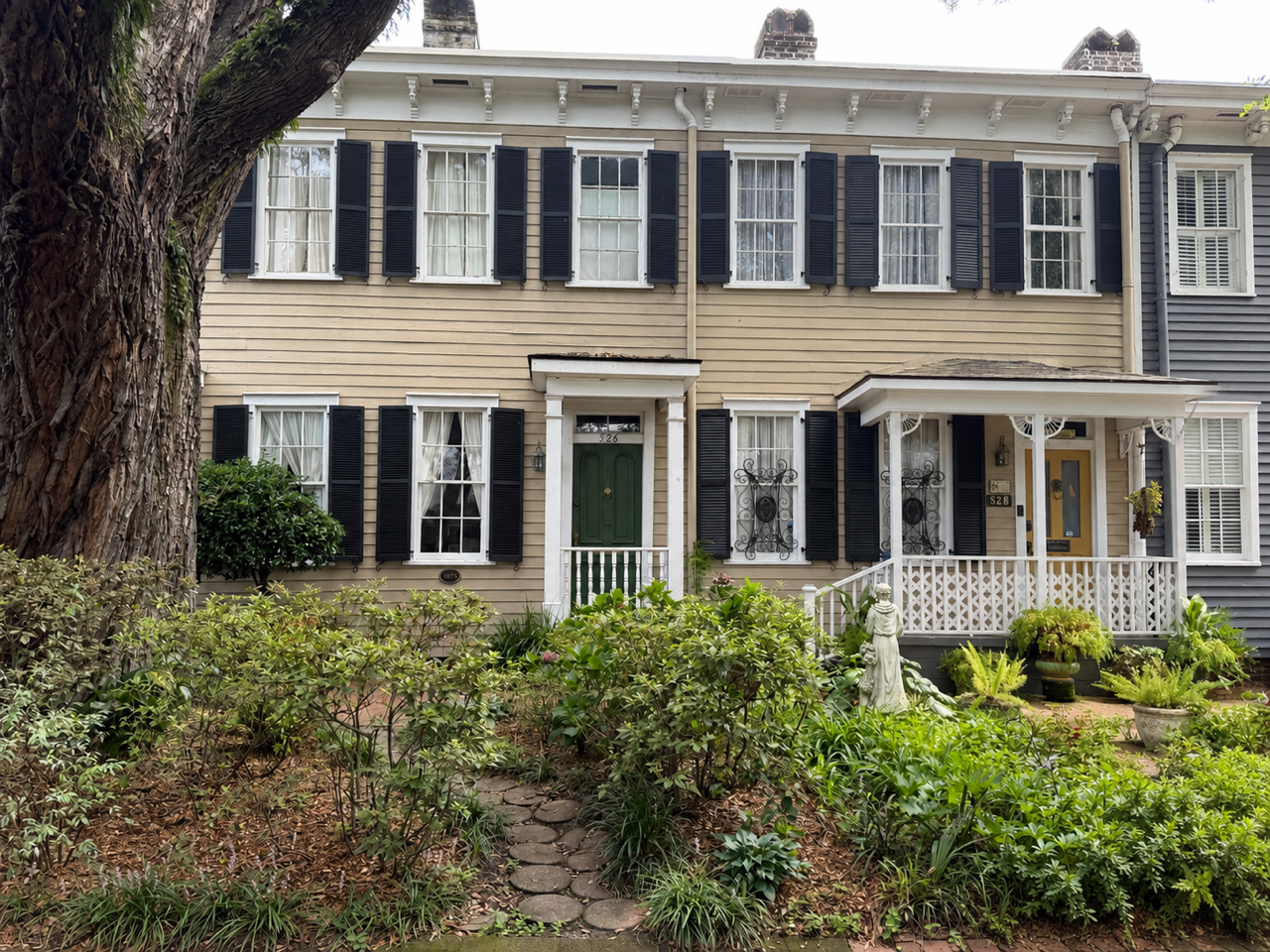
Location: 524,526,528,530,532,534 East Jones Street
___
Patrick Coker, M.D.
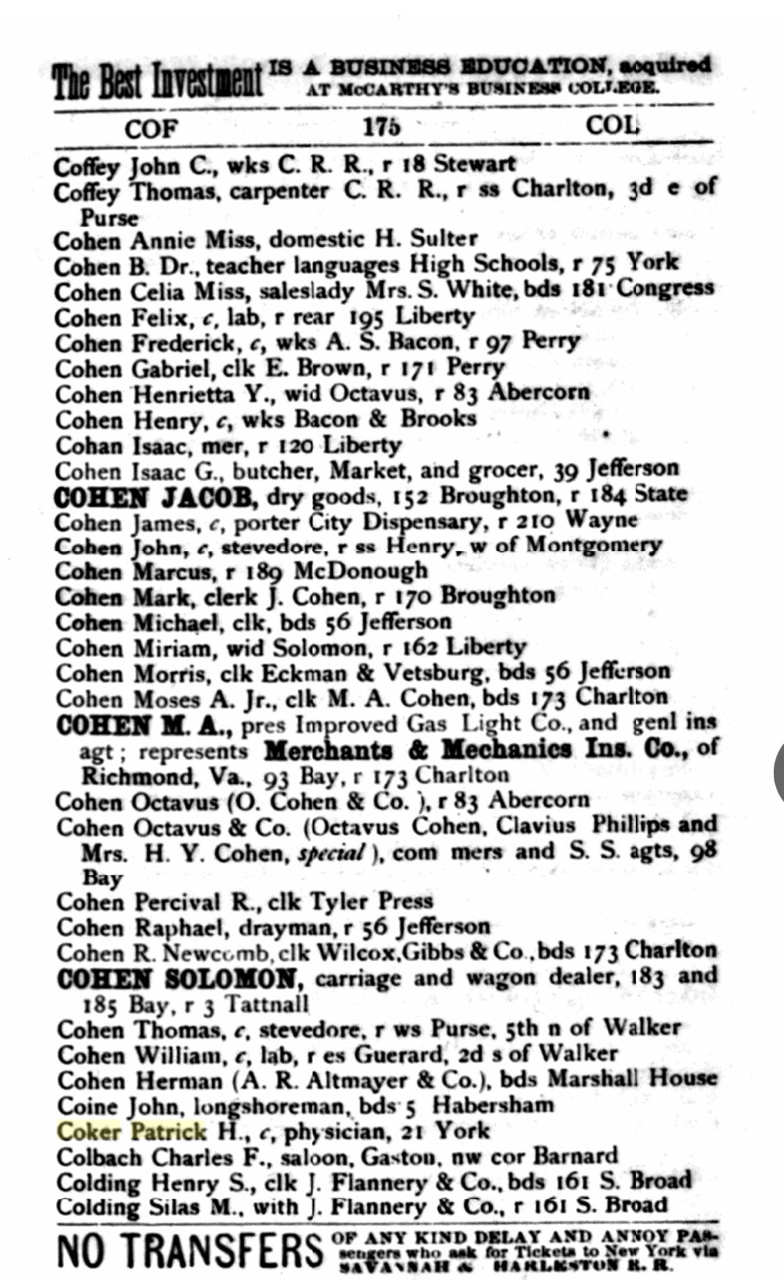
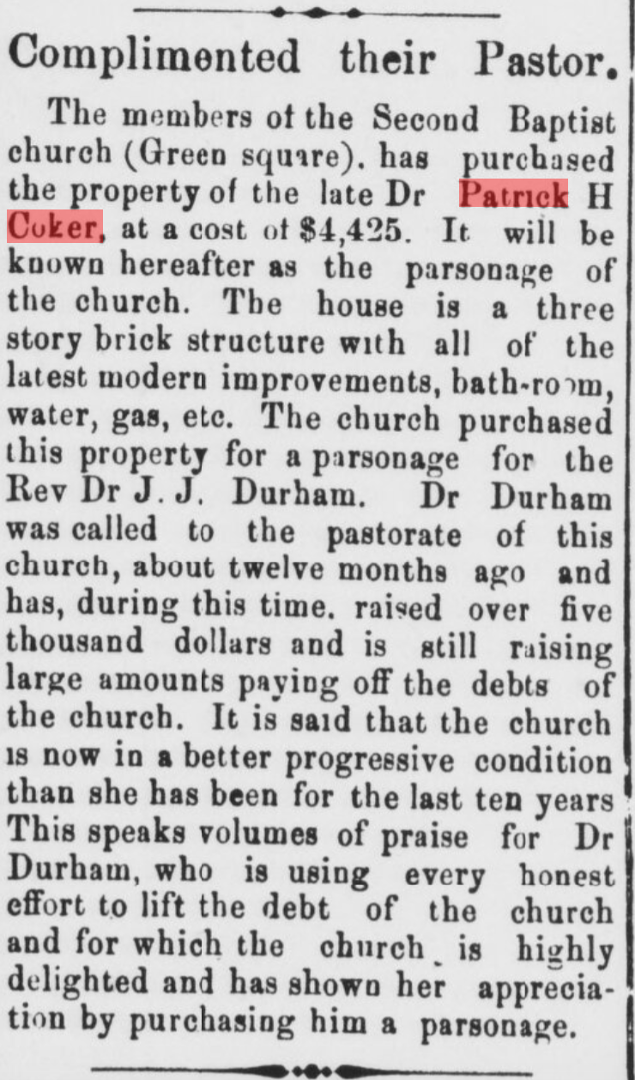
Not much is known about his private life outside of his work as a local physician. He owned these properties as investment property. His office address is listed in the 1862 Savannah Business Directory as 16 South Broad Street, now known as Oglethorpe Avenue. By 1870, he is shown to have relocated to 21 York Street.
According to the Savannah Tribune, after his death, a property he owned adjacent to Second Baptist Church was purchased by the church for use as a parsonage. The parsonage was later demolished.
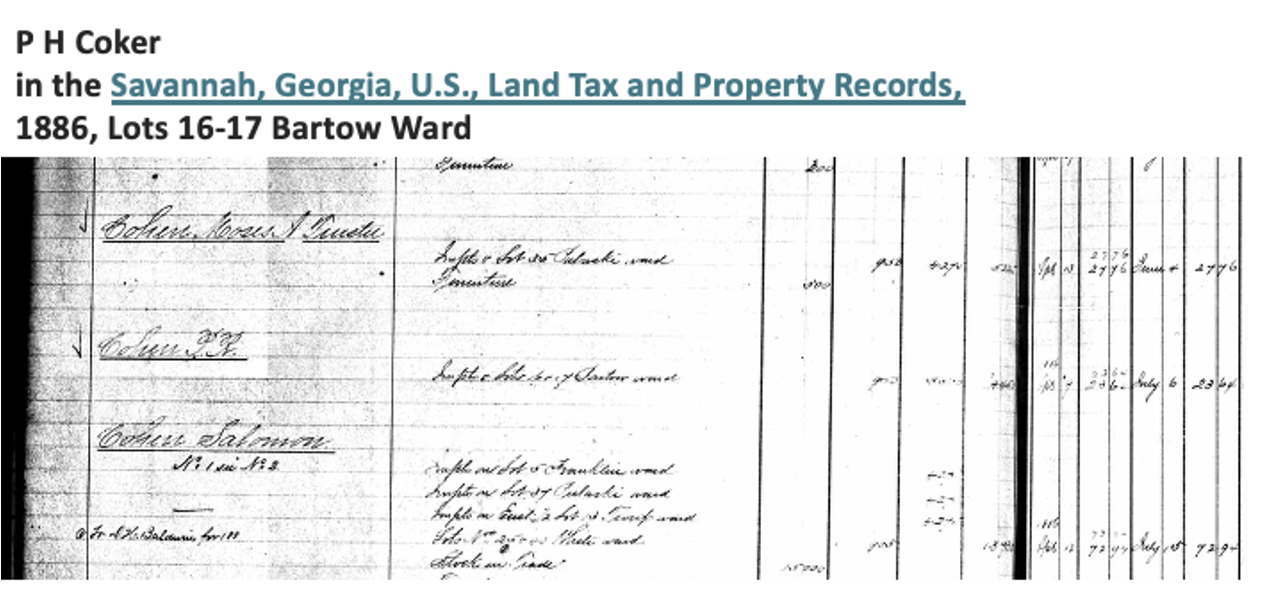
The homes are on Lots 16 and 17, Bartow Ward.
___
Sources:
City of Savannah Municipal Archives / Chatham County Records. "Land Tax and Property Records, 1809–1938 [P H Coker] Tax Digests 1886-1887. [Lot 16-17 Bartow Ward] Digital images, Ancestry.com. [1886]
Hoskins, Charles Lwanga. Yet With a Steady Beat: Autobiographies of Early Black Savannah. Savannah: Gullah Press, 2001, 232.
Lumpkin-White, Arva. Photographic credit: others as noted
11Elizabeth Mirault and Lucy Mirault Sabbatie Home, 1861
Location: 509-511 East Charleton Street
___
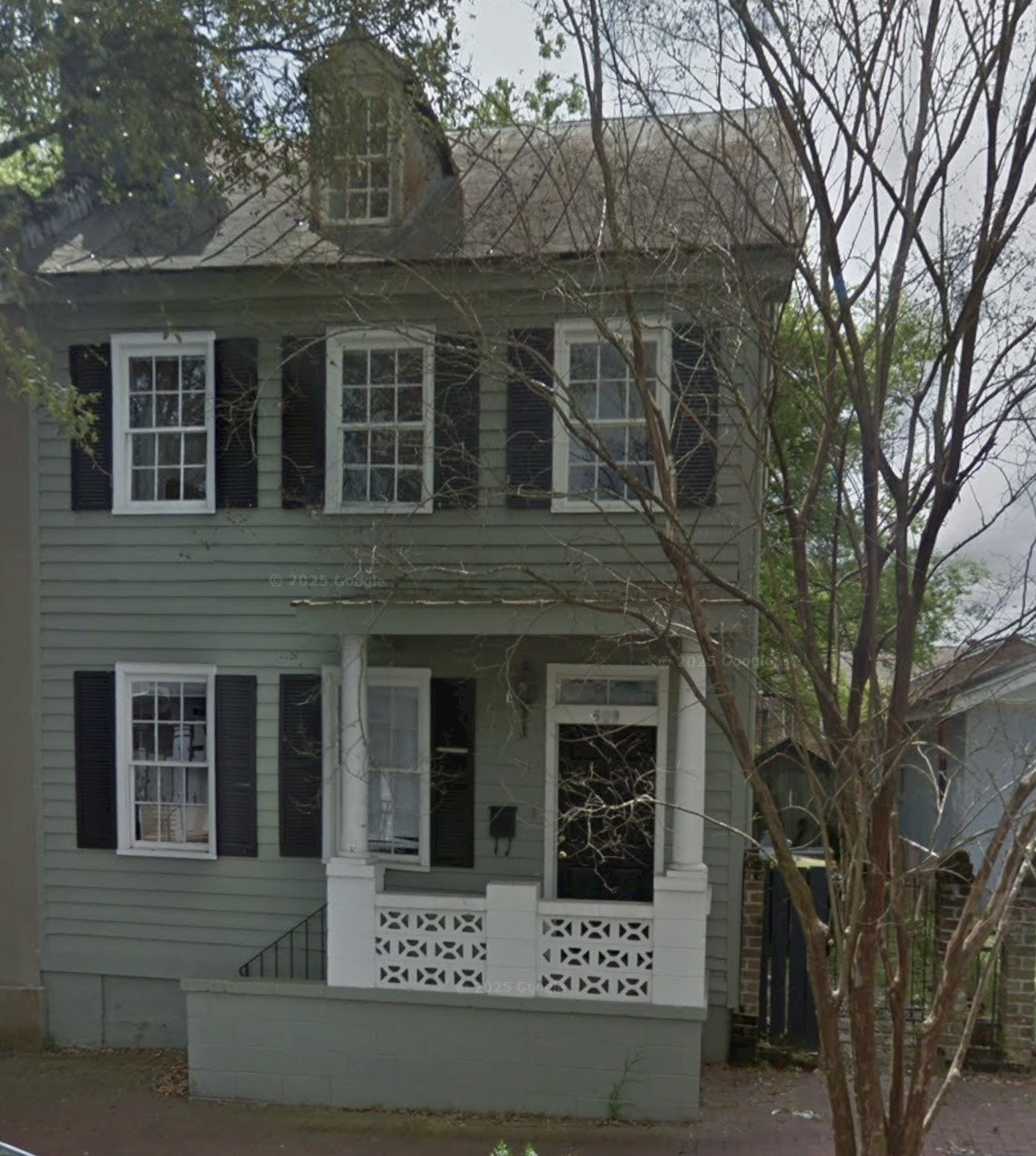
Elizabeth Mirault and Lucy Gary Sabbatie (or Lucy Mirault Gary Sabbatie) Home
Born into Savannah’s Free People of Color community, Lucy Sabattie was a member of the influential Mirault family. She is the daughter of Simon and Elizabeth Mirault. After marrying barber Clement Sabattie, she helped raise eight sons who followed in his footsteps as barbers. The sons went on to operate a thriving business, first in Darien, Georgia, and then serving Savannah’s White elite on Habersham Street. At a time when freedom for people of color was fragile and heavily restricted, Lucy’s family transformed skill, determination, and family connections into economic success. Her story reveals the hidden world of Savannah’s free Black entrepreneurs—people who built businesses, accumulated wealth, and shaped the city’s economy while balancing on the edge of freedom.
___
Sources:
City of Savannah Municipal Archives / Chatham County Records. "Land Tax and Property Records, 1809–1938 [Lucie Sabatti] Tax Digests 1886-1887. [Lot 25 Bartow Ward] Digital images, Ancestry.com. [1884]
Hoskins, Charles Lwanga. W. W. Law and His People: A Timeline and Biographies. Savannah: Gullah Press, 2012, 27.
Lumpkin-White, Arva. Photographic credit: others as noted
Sumler-Edmond, Janice. The Secret Trust of Aspasia Cruvellier Mirault: A Free Woman of Color in Antebellum Georgia. Fayetteville: University of Arkansas Press, 2008.

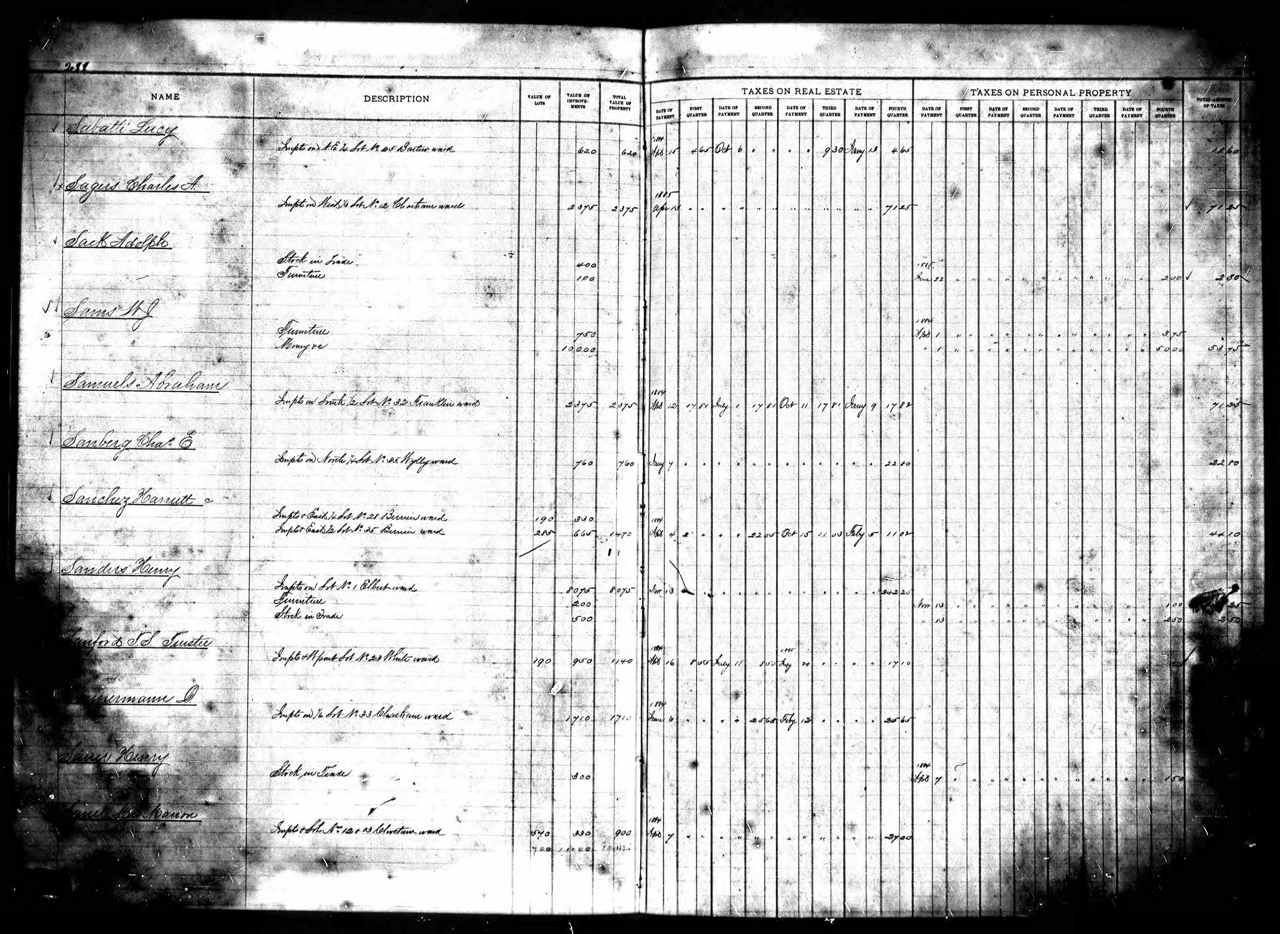
12Prince Rogers/Thomas R.Scott Home, 1868
Location: 537-539 East Charlton Street
___
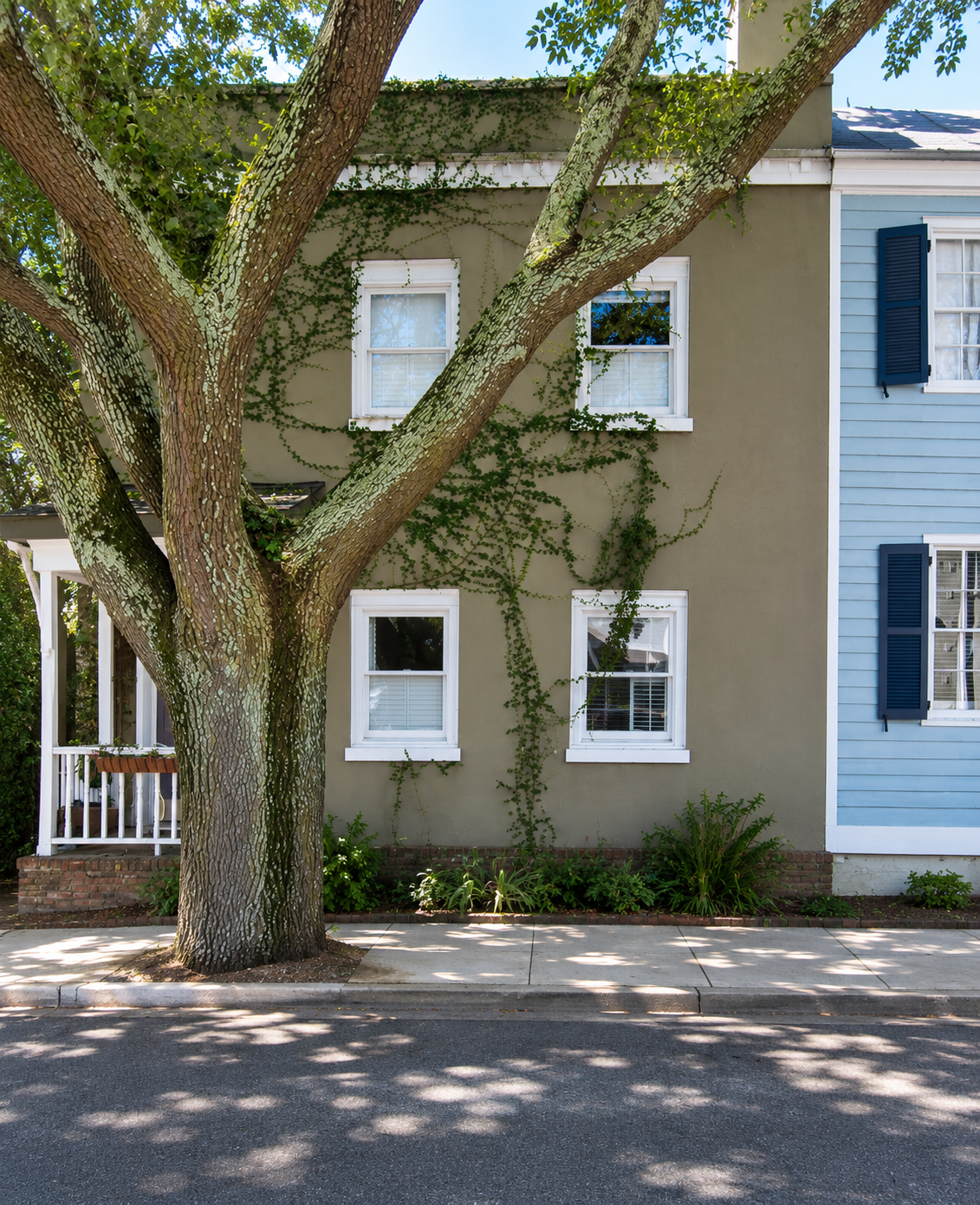
Thomas R. Scott, free man of color, originally owned the lot that the houses at 537-539 stand on. He sold the lot to Prince Rogers, a free man of color, on September 11, 1867. Prince Rogers built the home in 1868-1869 that still stands today. Little is known about Thomas R. Scott or Prince Rogers; however, Rogers is listed in the 1877 Savannah City Directory as a porter.
___
Sources
City of Savannah Municipal Archives / Chatham County Records. "Land Tax and Property Records, 1809–1938 [Prince Rogers] Tax Digests 1877-1878. [Lot 31 Bartow Ward] Digital images, Ancestry.com. [1878]
Lumpkin-White, Arva. Photographic credit
Ports, Michael A. Georgia Free Persons of Color. Volume IV: Chatham County, 1817–1863. Baltimore: Clearfield Company, 2016. 309
Savannah City Directory1877

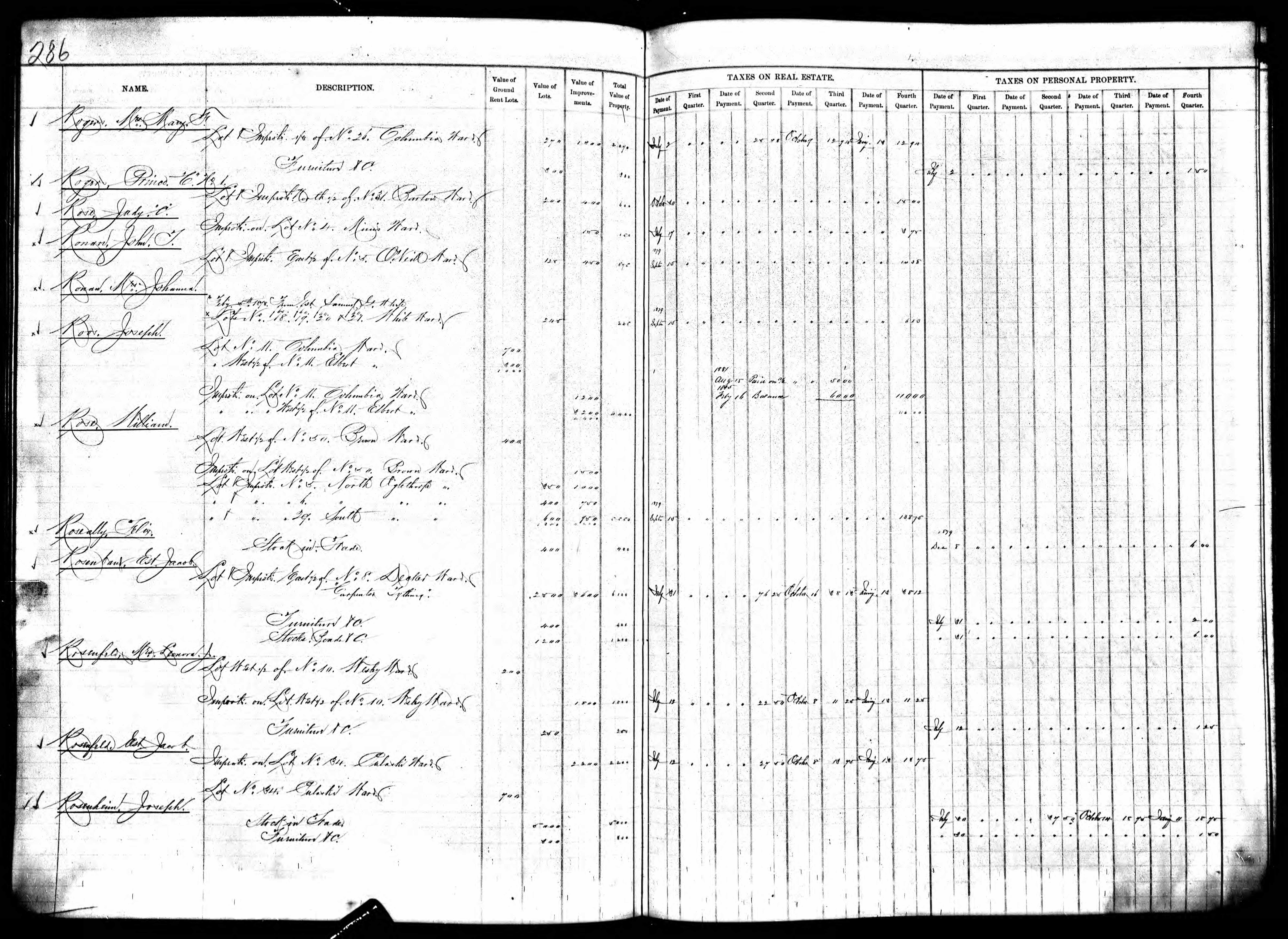
13John and Estelle Savage Homes, 1875
Location: 519 East Harris Street (1881) and 521 East Harris Street (1875)
___
Phyllis Savage, the Savage family matriarch, was likely born about 1779 in Saint-Domingue and came to Savannah as a Free Woman of Color. In the 1834 Free-Person Register, she was listed as a washerwoman, a modest occupation, but her life shows substantial property accumulation. Her children were Estelle, John B. Savage, and likely Tarselle or Tharcille Savage.
By the early 1860s, Phillis Savage’s daughter, Estelle Savage, had begun developing additional dwellings on the family property. One residence was erected immediately west of her mother’s home at what later became known as 223 Alice Street. A second house was constructed on the southern portion of the lot, facing Gaston Street, at 228 West Gaston Street. Adjacent to this structure was another residence associated with her brother, John Savage, at 230 West Gaston Street. Together, these buildings formed a small family enclave that reflected the growing prosperity and permanence of the Savage family in post-Civil War Savannah.
Remarkably, all three of these nineteenth-century structures survived well into the twentieth century. Estelle Savage’s house, though long neglected and in deteriorated condition, endured into the early twenty-first century before ultimately being demolished. The loss of these buildings erased much of the family’s physical footprint in Berrien Ward, but not all traces of their legacy disappeared.
The family’s investment in Savannah real estate expanded eastward during the Reconstruction era. Around 1875, Estelle Savage acquired property in Bartow Ward at 519 and 521 East Harris Street in Savannah’s Beach Institute neighborhood. These homes are still standing. At that time, the eastern portion of the lot was already occupied by the structure that survives today. By 1889, John Savage had developed the western portion of the same lot with an additional residence. Surviving deeds, tax records, and city directories frequently list John and Estelle interchangeably, making it difficult to determine with certainty which sibling held title to particular properties at specific moments in time. Nevertheless, the historical record clearly associates both siblings with the development and ownership of the houses.
___
Sources:
City of Savannah Municipal Archives / Chatham County Records. Estill Savage in Savannah, Georgia, U.S., Registers of Free Persons of Color, Volume 4, 1837-1849.. Digital images, Ancestry.com
Hall, Jefferson. "FPCs (Free Persons of Color)." Jefferson Hall Blog, October 21, 2019
Lumpkin-White, Arva. Photographic credit: others as noted
Ports, Michael A. Georgia Free Persons of Color. Volume IV: Chatham County, 1817–1863. Baltimore: Clearfield Company, 2016. 349

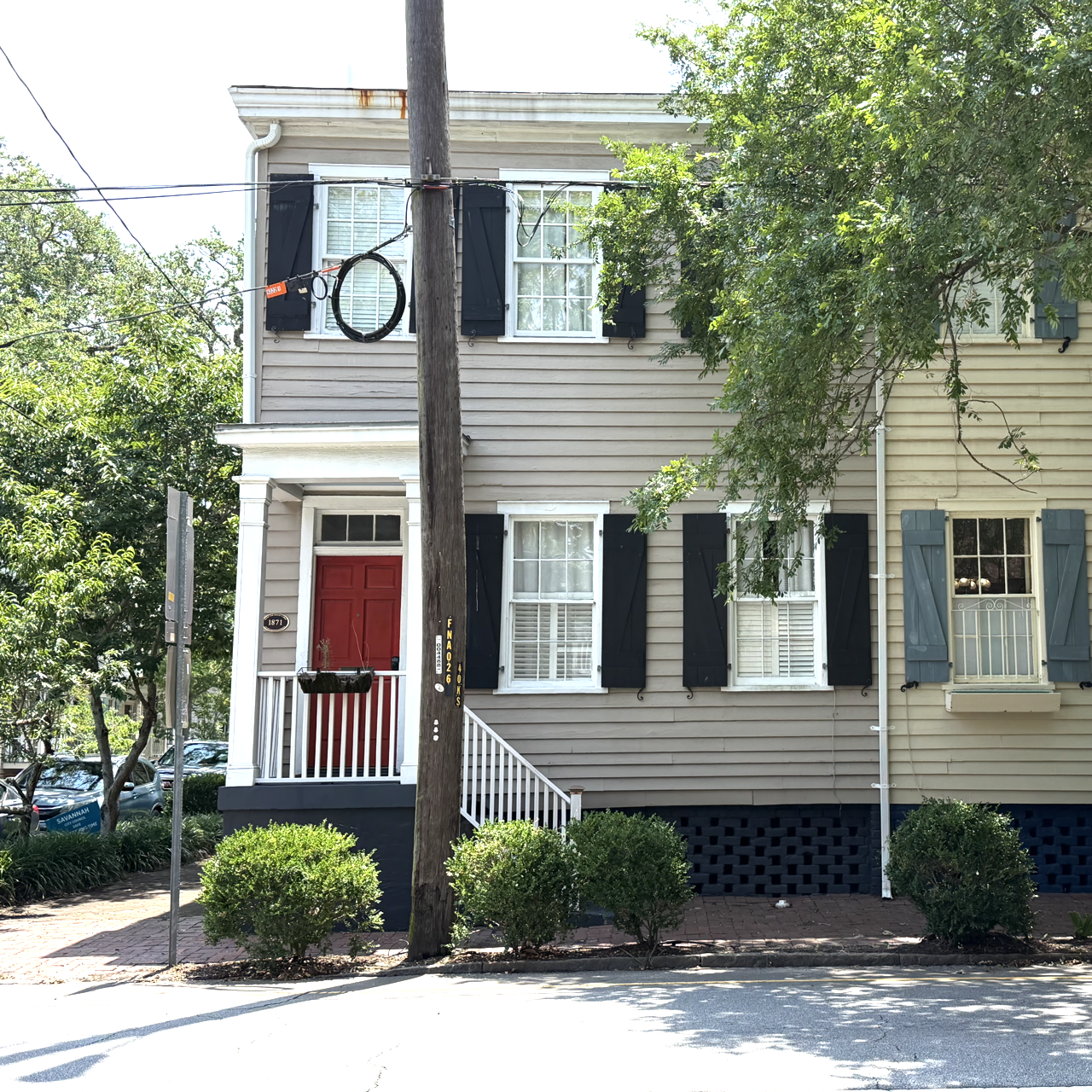
14Albert Jackson Home
Location: 322 Price Street
___
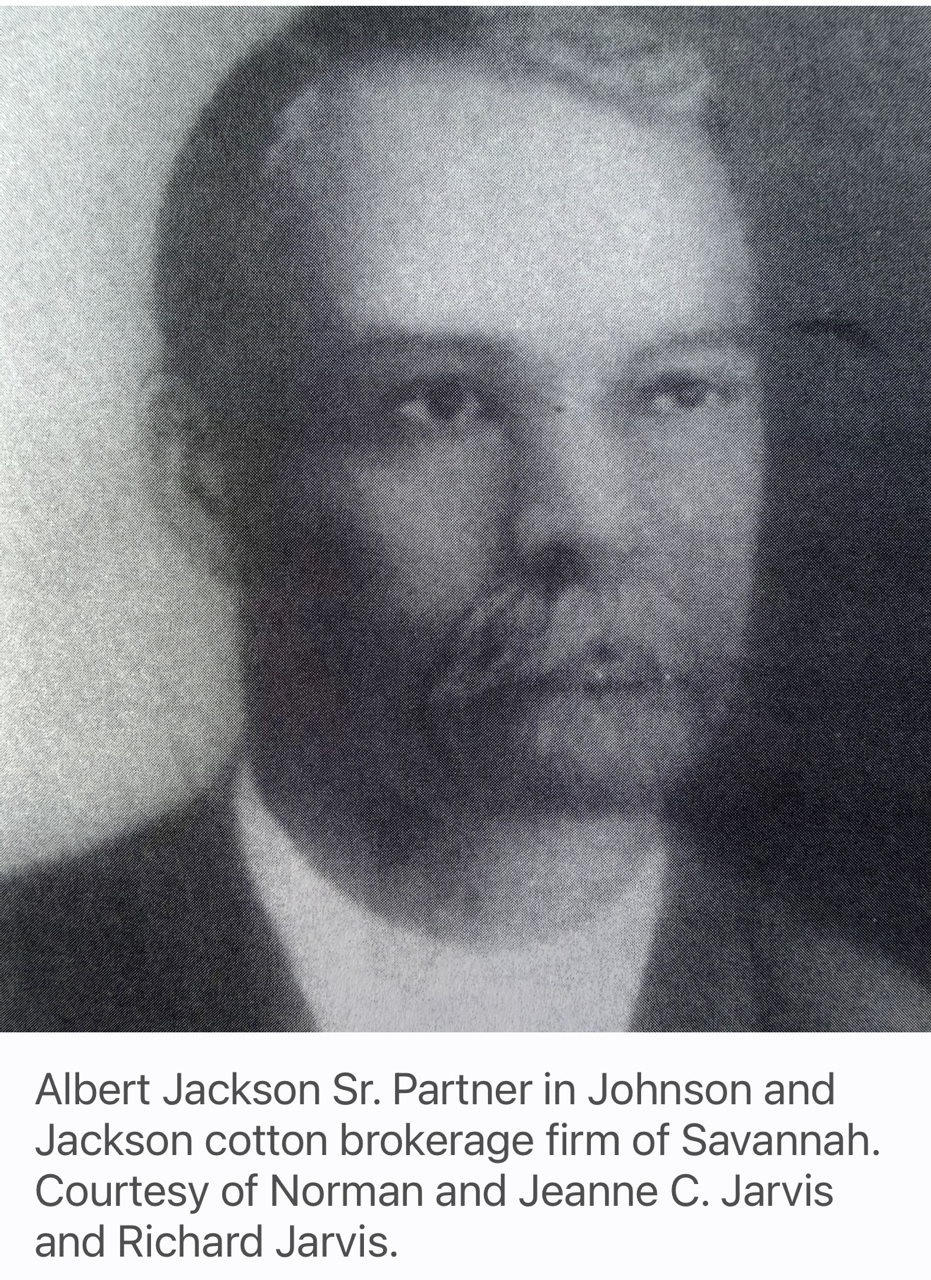
Savannah, 1844. In a city where teaching a Black child to read was a crime, a boy named Albert Jackson was born — and against every odd stacked against him, he would rise to stand with some of the great community leaders and businessmen in this era.
His education began, in all likelihood, in the shadows. Jackson probably attended some of the city's "open secret" schools — the clandestine classrooms where Black children learned to read at great personal risk. But his path led far beyond those hidden rooms. He went north and graduated from the Harvard Institute in Boston, and after graduation he did something remarkably unfamiliar and daring: he and several other Black Savannahians crossed an ocean to live in Liberia for a few years, seeking, perhaps, a freedom the American South could not offer. In time, though, Savannah called him back home.
He returned during Reconstruction — that brief, hopeful window when the old order seemed, for a moment, ready to change — and opened a locksmith and machine shop. His talents did not go unnoticed. The city board appointed Jackson as Assistant City Registrar, charged with working alongside and keeping statistics on the city's Black population, and he distinguished himself in the role.
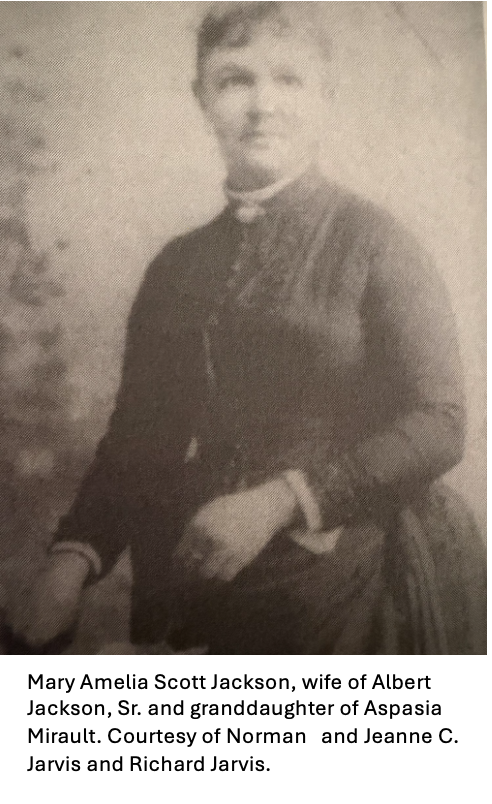
His personal life unfolded alongside his rising fortunes, and it held its share of joy and grief. In January 1869, while working as a bookkeeper, Jackson married Jeanette Bullock, the daughter of Josephine Mirault. But the marriage was cut short — Jeanette died in 1872, only twenty-six years old. Two years later, on June 10th, 1874, Jackson married Mary Louisa Scott, the daughter of Thomas Scott, a Free Man of Color and a barber in the city.
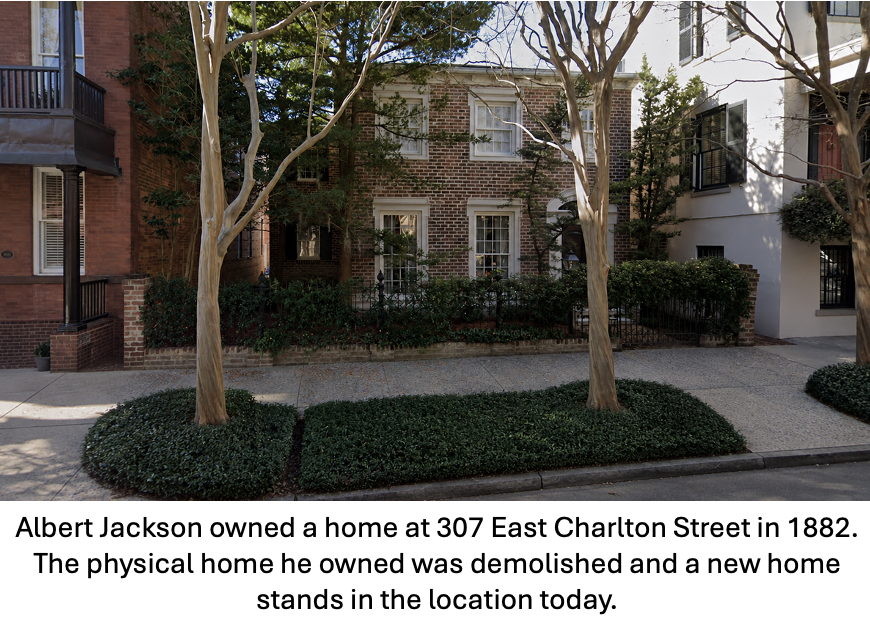
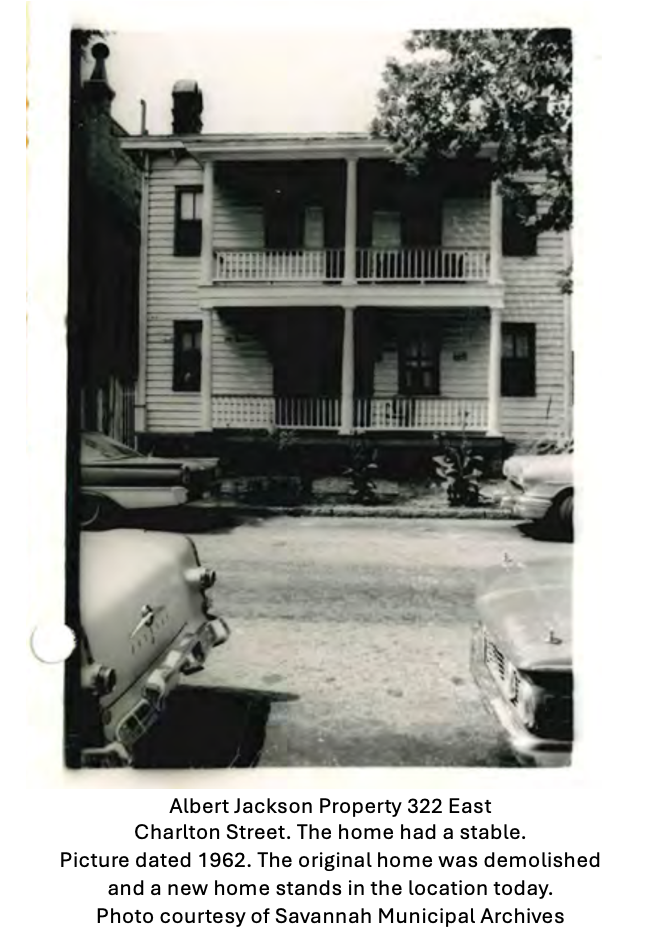
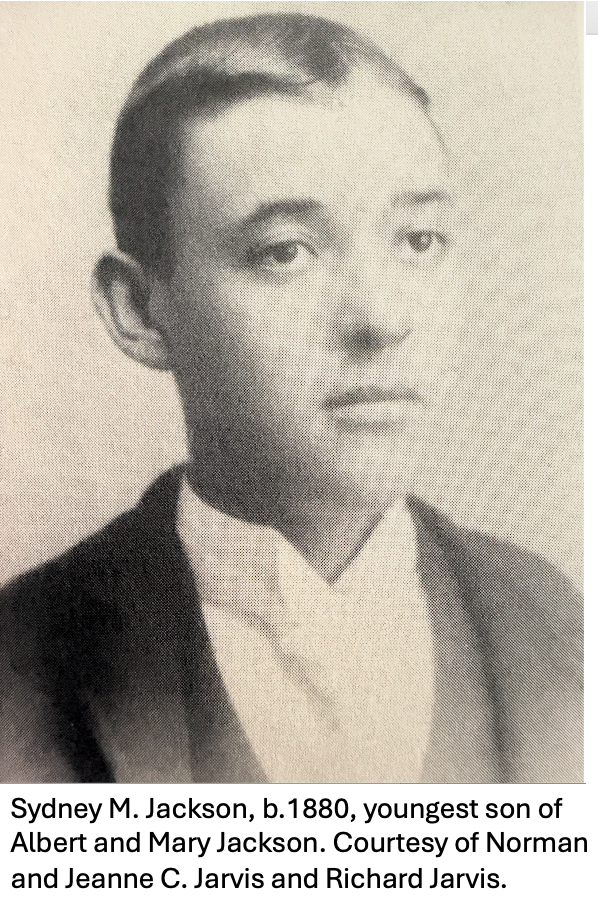
Together, Albert and Mary built both a family and an estate. They began their married life in Albert's house on Taylor Street, but they did not stay long. By 1875, the couple had purchased a home at the corner of Harris and Price Streets, and five years later, in 1880, they bought and moved into a larger house at 307 Charlton Street. Each move tracked the growth of their household. Mary brought a daughter into the marriage; Albert brought two sons from his previous marriage; and together they had three more children — Joseph, Sidney, and Mary. Their home at 307 Charlton Street, built in the late 1800s, was a handsome two-story house complete with a stable, a mark of just how far he had come.
Faith and commerce anchored the rest of his life. The Jackson family was among the founders of the Saint Stephen's Episcopal congregation, and in 1874 Albert was elected a vestry member of the church. In business, he made his name in cotton. He began as an accountant in the merchant firm of Deas and Johnson; when Deas died in 1872, the firm became Johnson and Jackson; and when Johnson died in 1884, Jackson became sole owner and renamed the establishment Jackson and Sons — his name, and his sons', now over the door. The business operated in Kelly's Row at the foot of Bull Street, though some accounts place it at 206 Bay Street in the Smith's Stores Building. Smith's Row building is a block from the Kelly's Row location. Over time, he may have moved his business location, especially as ownership transitioned.
Albert Jackson died in 1901 — a locksmith, a graduate, a city official, a churchman, and a cotton merchant who had built, from a childhood in a city that forbade his education, a life and a name that endured.
The adjacent homes at 324-328 Price Street were also owned by free man of color, M.T. Ryan, in 1870
Albert Jackson had an additional home location at 307 East Charlton Street. This home has been demolished.
___
Sources:
City of Savannah Municipal Archives / Chatham County Records. "Land Tax and Property Records, 1809–1938 [Albert Jackson] Tax Digests 1883-1884. [Lot 1 Bartow Ward, Lot 20 Bartow Ward, Lot 26 Troup Ward] Digital images, Ancestry.com. [1884]
City of Savannah Municipal Archives. Historical photograph credit. Courtesy of the City of Savannah Municipal Archives, Savannah, GA.
Hoskins, Charles Lwanga. Yet With a Steady Beat: Autobiographies of Early Black Savannah. Savannah: Gullah Press, 2001, 267–277.
Lumpkin-White, Arva. Photographic credit: others as noted.
Sumler-Edmond, Janice. The Secret Trust of Aspasia Cruvellier Mirault: A Free Woman of Color in Antebellum Georgia. Fayetteville: University of Arkansas Press, 2008, 126–129.

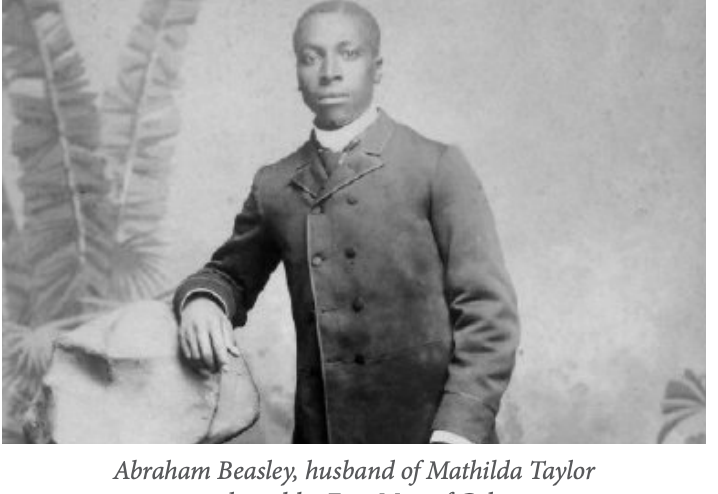
15Abraham and Matilda Beasley Home
Location: 312-320 Habersham Street
___
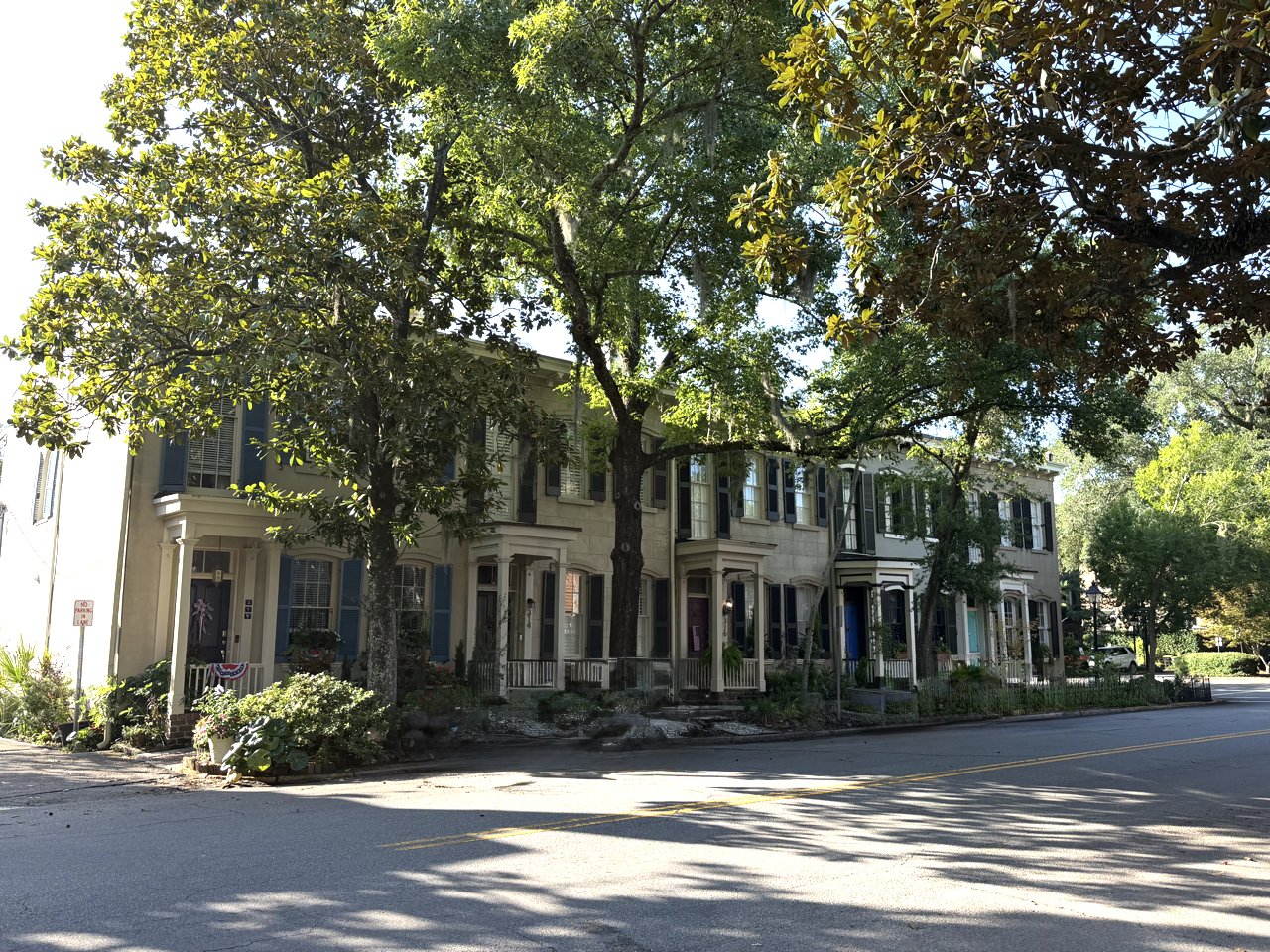
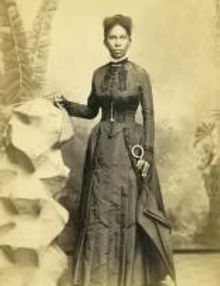
Matilda and Abraham Beasley married in 1869, and Abraham purchased a lot containing this row of townhomes on Habersham Street near Troup Square. The couple made this their home.
Matilda, born enslaved but freed as a young adult, and Abraham, a free man of color, were a force to be reckoned with as a couple.
She taught Black children in the illegal schools that operated in the shadows of the city. The risk was real and physical: those caught teaching Black children or adults faced fines or public whipping. Matilda taught anyway. She was undeterred.
He was an entrepreneur and purported former Black slave trader— said to be the only Black slave trader of his kind in the city's history. An investor with substantial land holdings, he was a complicated and unsettling figure in a complicated time.
___
Sources:
City of Savannah Municipal Archives / Chatham County Records. "Land Tax and Property Records, 1809–1938 [Abraham Beasley] Tax Digests 1873-1874. [Lot 12 Troup Ward] Digital images, Ancestry.com. [1884]
City of Savannah Municipal Archives. "Surveys and Plats." Record Series EN5600-120A, Records Center CRC-B7, Troup Ward Lot 12, Folio 1129. City of Savannah Municipal Archives, Savannah, GA.
City of Savannah Municipal Archives. Historical photograph credit. Courtesy of the City of Savannah Municipal Archives, Savannah, GA.
Hoskins, Charles Lwanga. Out of Yamacraw and Beyond: Discovering Black Savannah. Savannah: Gullah Press, 2002.
Hoskins, Charles Lwanga. Yet With a Steady Beat: Autobiographies of Early Black Savannah. Savannah: Gullah Press, 2001, 167–168.
Lumpkin-White, Arva. Photograph credit: others as noted.
Savannah Evening Press. "Death of Mother Mathilda Beasley." December 21, 1903.
Savannah Morning News. "Obituary: Abraham Beasley." September 4, 1877.


The interactive version adds a street-following map, narration audio and a guided stop-by-stop experience.